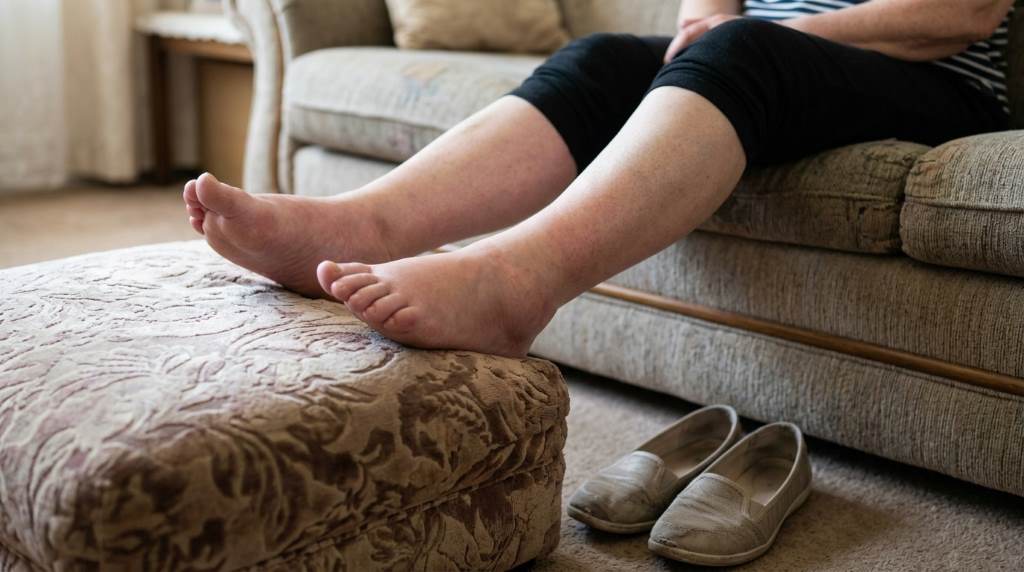
Swollen feet can make every step uncomfortable, especially during long days in Phoenix, AZ. Hot weather, standing for extended hours, and certain health conditions often increase foot swelling. According to the Centers for Disease Control and Prevention, millions of adults experience chronic conditions that may contribute to lower limb discomfort. Additionally, supportive footwear plays an important role in reducing pressure and improving mobility. Many people also benefit from supportive shoes for gout sufferers because proper cushioning helps sensitive feet remain comfortable throughout daily activities.
Why Swollen Feet Become Worse in Phoenix
High temperatures often cause blood vessels to expand, allowing more fluid to collect around the feet. Consequently, many residents notice swelling after walking outdoors or spending hours standing.
Footwear also affects circulation and pressure distribution throughout the day. Reading about relieve leg swelling techniques alongside choosing supportive shoes creates a stronger daily care routine.
Poor fitting shoes trap swollen tissue inside a tight space. Therefore, friction, soreness, and skin irritation become much more likely after prolonged activity.
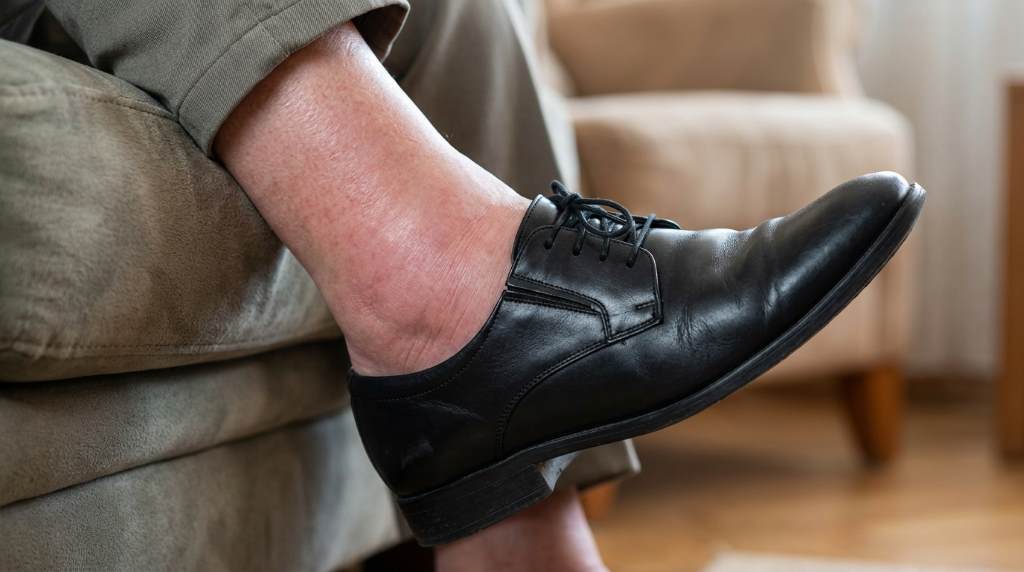
Common Causes of Swollen Feet
Many different conditions can trigger swollen feet without warning. Understanding the cause helps people choose suitable footwear and seek appropriate medical guidance.
- Long periods of standing
- Hot outdoor temperatures
- Pregnancy
- Arthritis and gout
- Diabetes
- Poor circulation
- Lymphatic problems
- Certain medications
Although occasional swelling may disappear overnight, persistent swelling deserves professional evaluation. Early treatment often prevents discomfort from becoming a long term mobility problem.
Features That Better Shoes Should Offer
Supportive shoes reduce pressure while allowing swollen feet to expand naturally during the day. Every important feature works together to improve comfort and stability.
Wide Toe Box
A roomy toe box prevents unnecessary squeezing around swollen toes. As a result, natural movement improves while painful rubbing decreases significantly.
Soft Cushioning
Quality cushioning absorbs repeated impact during walking and standing. Furthermore, softer midsoles reduce stress on joints and inflamed tissues.
Arch Support
Strong arch support distributes body weight more evenly across the foot. This design reduces fatigue while improving overall walking comfort.
Adjustable Fit
Shoes with adjustable straps or laces adapt as swelling changes throughout the day. Therefore, users enjoy a secure fit without uncomfortable compression.
Breathable Materials
Mesh uppers improve airflow during hot afternoons and reduce excessive heat buildup. Better ventilation also helps feet remain drier and more comfortable.
Daily Habits That Reduce Foot Swelling
Good footwear delivers better results when combined with healthy daily habits. Consistency often produces noticeable improvements over time.
Better sleep also supports healthy recovery because the body repairs tissues overnight. Many people improve recovery after learning deep sleep every night strategies that encourage quality rest.
- Drink enough water throughout the day.
- Walk regularly instead of sitting continuously.
- Stretch calves and ankles every morning.
- Reduce excessive sodium intake.
- Elevate your feet after busy days.
- Wear compression socks if recommended by your doctor.
Choosing Shoes for Different Activities
Different daily routines place different demands on swollen feet. Selecting shoes based on activity improves comfort and long term foot health.
Walking
Walking shoes should provide flexible cushioning and reliable heel stability. Lightweight construction also helps reduce unnecessary strain during longer distances.
Work
Workers who stand for several hours need supportive insoles and wider designs. Slip resistant outsoles also improve workplace safety.
Exercise
Fitness shoes should balance cushioning with stable support for changing movements. Breathable materials also help control heat during workouts.
When You Should Replace Your Shoes
Even high quality shoes eventually lose their supportive structure over time. Worn soles increase pressure on swollen feet and reduce walking comfort.
Visible tread wear, flattened cushioning, or uneven support usually indicate replacement time. Ignoring these warning signs may worsen existing foot discomfort.
Simple Home Recovery Tips
Recovery becomes easier when swelling receives attention immediately after busy days. Small lifestyle adjustments often produce meaningful improvements.
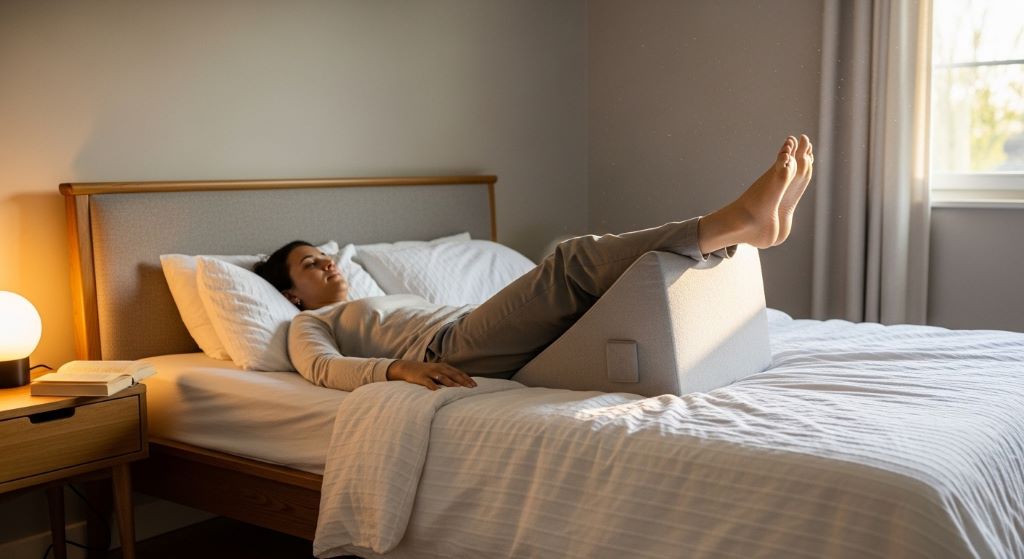
Many people combine supportive footwear with recovery techniques like wedge pillow knee positioning because elevation encourages better fluid movement during rest.
- Elevate your feet above heart level.
- Apply cool compresses when appropriate.
- Move your ankles regularly.
- Avoid overly tight socks.
- Rest after extended standing.
When to Visit a Healthcare Professional
Some swelling requires immediate medical attention instead of home treatment alone. Prompt evaluation helps identify serious underlying health conditions.
Seek medical care if swelling appears suddenly, affects only one leg, causes severe pain, or accompanies breathing difficulties. Professional diagnosis ensures appropriate treatment before complications develop.
Conclusion
Swollen feet deserve more than temporary relief because everyday comfort depends on proper support. Better shoes reduce pressure, improve stability, and encourage healthier movement throughout every season.
Evaluate your current footwear today and replace worn pairs before discomfort worsens. Taking proactive steps now helps protect foot health and supports a more active lifestyle.
Frequently Asked Questions
Can hot weather increase foot swelling?
Yes, warm temperatures expand blood vessels and often increase fluid buildup in the feet.
Should shoes fit tightly if my feet swell?
No, shoes should provide enough room for natural swelling without excessive movement.
Are cushioned shoes better for swollen feet?
Yes, quality cushioning reduces impact and improves overall walking comfort.
When should swollen feet be checked by a doctor?
Seek medical evaluation if swelling is sudden, severe, painful, or persistent.
Can supportive shoes prevent future discomfort?
Yes, supportive footwear helps reduce pressure and encourages healthier foot mechanics.