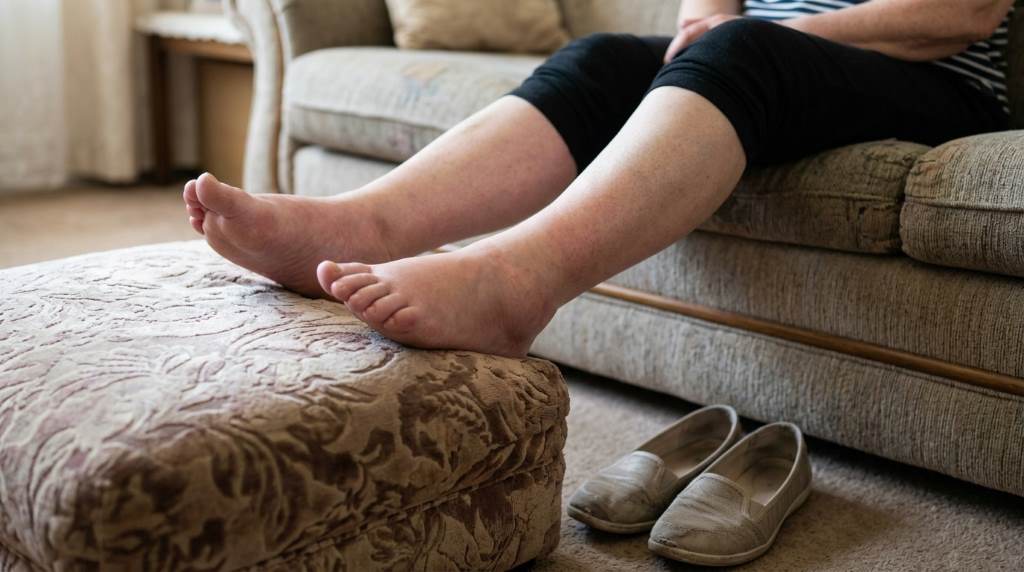
Recovering from knee surgery is a slow and careful process. Your doctor will give you a list of dos and don’ts. One of the most important things on that list is keeping your leg elevated. Elevation reduces swelling and helps your knee heal faster.
But what happens when you need to travel during your recovery? Whether it is a necessary trip or a planned vacation, traveling after knee surgery brings unique challenges. Sitting for long periods can cause swelling and discomfort. However, with the right tools and a smart approach, you can travel safely and comfortably.
A wedge pillow is one of the most helpful tools you can bring on your journey. It supports your leg at the correct angle, reduces pressure on your knee, and helps you manage swelling on the go. This guide will walk you through everything you need to know about using a wedge pillow while traveling after knee surgery.
What Is a Wedge Pillow and Why Does It Matter After Knee Surgery
A wedge pillow is a firm, triangular pillow designed to elevate a specific part of your body. Unlike a regular pillow, it holds its shape under pressure. This makes it ideal for medical recovery purposes.
After knee surgery, your doctor will likely recommend keeping your knee above the level of your heart as much as possible. This position encourages blood flow back toward the body. It also reduces the buildup of fluid around the joint. A wedge pillow makes this position easy to maintain, even when you are not in your own bed.
Additionally, a wedge pillow reduces the strain on the muscles and tendons around your knee. When your leg is supported at the right angle, your body does not have to work as hard to stay comfortable. This means less pain and better rest during your recovery period.
Choosing the Right Wedge Pillow for Travel
Not all wedge pillows are created equal. When you are recovering from knee surgery and planning to travel, you need one that is specifically suited for mobility and portability.
Here are the key features to look for:
- Lightweight design that fits in your carry-on or checked luggage without adding too much weight
- A removable, washable cover for hygiene on long journeys
- Medium to firm density foam that will not collapse under the weight of your leg
- A size that works both on an airplane seat and in a hotel bed
- A wedge angle between 30 and 45 degrees, which is the most commonly recommended range for post-surgical leg elevation
Travel-specific wedge pillows are often smaller than standard ones. Some are even inflatable, which makes them easy to pack. However, inflatable versions may not provide the same level of firm support as foam options. Therefore, check with your surgeon before choosing an inflatable model.
Using a Wedge Pillow on an Airplane
Flying after knee surgery is one of the most common travel concerns. Airplane seats are narrow and offer little legroom. This makes leg elevation travel particularly challenging in standard economy seats.
First, always inform the airline about your medical condition before you fly. Many airlines offer accommodations for passengers recovering from surgery. You may be able to request a bulkhead seat, which has more legroom, or even an upgrade in some cases.
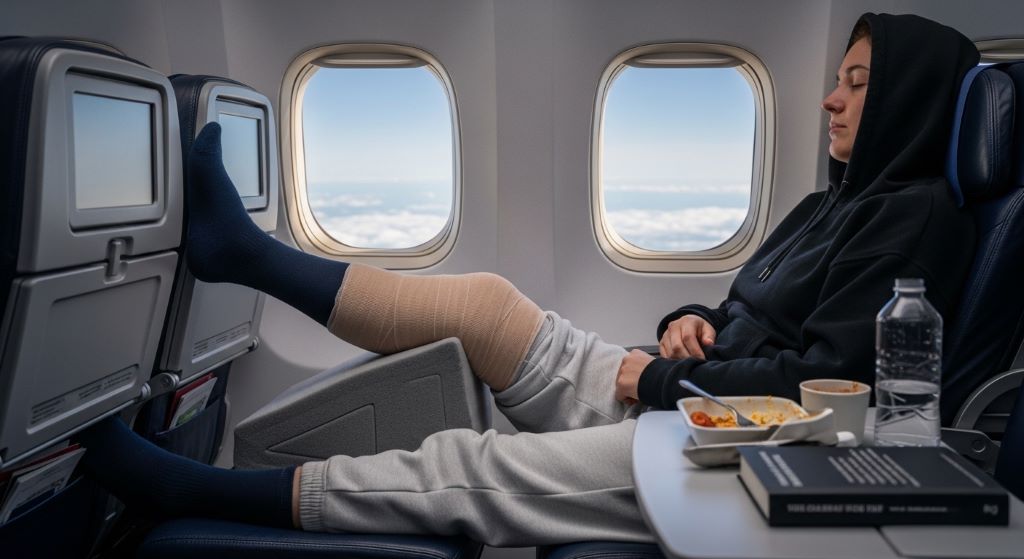
Once you are seated, place your wedge pillow under your lower leg and ankle. Make sure your knee is supported along its full length. Avoid letting your leg hang unsupported, as this increases pressure behind the knee and can worsen swelling.
Additionally, try to book an aisle seat whenever possible. This allows you to stretch your leg out into the aisle periodically. It also makes it easier to get up and walk around, which is important for circulation during long flight recovery.
Wearing compression socks is another smart strategy. They work alongside your wedge pillow to keep blood flowing properly. Together, these two tools significantly reduce the risk of deep vein thrombosis, which is a serious concern after knee surgery.
Managing Swelling During Long Flights
Swelling is the biggest physical challenge during long flight recovery after knee surgery. Cabin pressure, limited movement, and prolonged sitting all contribute to fluid buildup in the lower leg and knee.
Your wedge pillow plays a critical role here. By keeping your leg elevated consistently throughout the flight, you reduce the downward pull of gravity on the fluid in your knee. Try to keep your leg elevated for at least 80 percent of the flight. Only lower it when you need to stand up and walk.
Furthermore, stay hydrated during the flight. Drinking water helps your body manage fluid balance more effectively. Avoid alcohol and excessive salt, both of which can make swelling worse.
Set a gentle reminder on your phone to move your foot and ankle every 30 minutes. Simple ankle circles and toe flexes keep blood circulating even when you cannot stand up. These small movements, combined with your wedge pillow, make a noticeable difference in how your knee feels when you land.
If your knee feels particularly tight or swollen mid-flight, do not panic. Gently massage the area above and below the knee to encourage circulation. Keep your leg elevated and continue with your ankle exercises. Most discomfort at this stage is manageable with these simple steps.
Using a Wedge Pillow in a Car or Train
Not every journey involves a plane. Many people recovering from knee surgery travel by car or train. These modes of transport come with their own set of considerations.
In a car, try to sit in the back seat if possible. This gives you more room to stretch your leg. Place your wedge pillow along the back seat and rest your leg on it at a comfortable angle. You may also want to bring an extra regular pillow to cushion the area behind your knee.
Ask your travel companion to take frequent breaks. Every one to two hours, get out of the car and take a short walk. Even a five-minute walk at a rest stop helps reduce stiffness and prevents fluid from pooling in your knee.
Train travel is often more comfortable than flying or driving. Many trains have seats with extra legroom, and some have footrests or tables you can use to prop up your leg. Place your wedge pillow on the seat across from you if the train is not too crowded. This allows you to achieve proper leg elevation travel positioning without putting pressure on your seat itself.
Setting Up Your Wedge Pillow in a Hotel Room
Once you arrive at your destination, your recovery work continues. A hotel room is not the same as home, and the bed may not be as supportive as yours. However, with a little preparation, you can make it work.
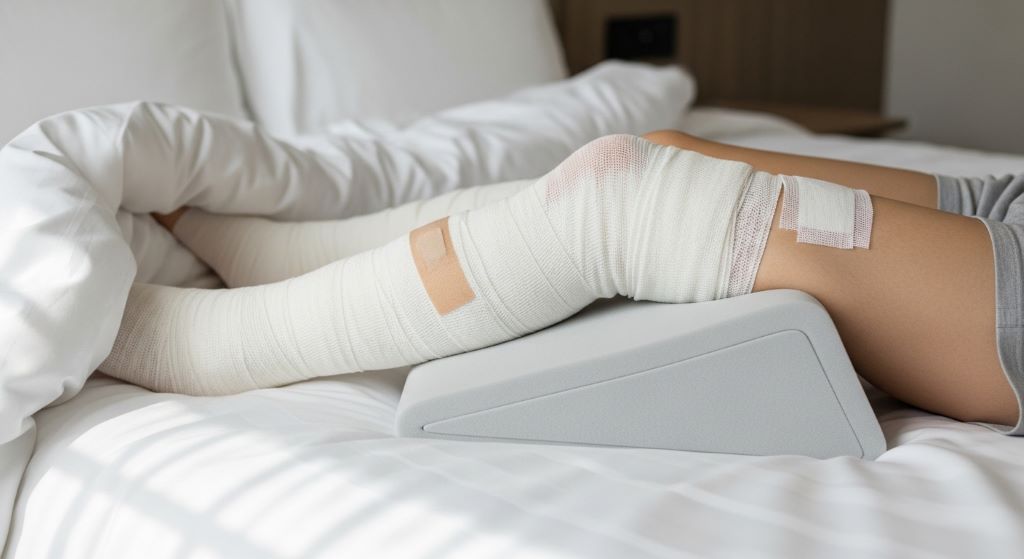
First, place your wedge pillow at the foot of the bed or under your mattress at the lower end to create a slight incline. Alternatively, place it directly under your leg while lying on your back. Make sure your entire lower leg, from the back of the knee to the heel, is resting on the pillow.
Avoid placing the pillow only under your heel. This position can put too much pressure on one small area and cause discomfort over time. Full-leg support is always better.
Additionally, bring extra pillowcases from home or ask the hotel for additional pillows. You can use these to fine-tune your positioning and add comfort as needed. The goal is to keep your knee slightly above the level of your hip while you sleep.
Tips for Packing and Carrying Your Wedge Pillow
Traveling with a wedge pillow requires a bit of planning. Here are some practical tips to make the process smoother:
- Measure your wedge pillow before packing to ensure it fits in your luggage or carry-on
- Use a compression bag to reduce the pillow’s size for air travel
- If you choose an inflatable wedge pillow, practice inflating and deflating it at home before your trip
- Attach your pillow to the outside of your backpack or suitcase using a luggage strap to save space inside
- Keep your pillow in its own protective bag to keep it clean during transit
If your wedge pillow is too large to travel with, consider purchasing a travel-sized version specifically for the trip. Many medical supply stores and online retailers offer compact options designed for post-surgical travel.
When to Consult Your Doctor Before Traveling
Travel after knee surgery is not always recommended. The timing depends on the type of surgery you had, how your recovery is progressing, and your overall health.
As a general rule, most surgeons recommend waiting at least two to six weeks before flying after knee surgery. However, this varies widely. Therefore, always get clearance from your surgeon before booking any travel.
Ask your doctor specific questions such as: How long can I safely sit before I need to move? Should I wear a knee brace during travel? Are there any signs of complications I should watch for on the road? Do I need to adjust my medications or pain management plan while traveling?
Getting clear answers to these questions will help you travel with confidence. It also ensures that your recovery stays on track even while you are away from home.
Additional Comfort Items to Bring Along
A wedge pillow is essential, but it works best as part of a larger comfort kit. Consider packing these additional items for a smoother travel experience:
- Compression socks rated for post-surgical use
- A small ice pack or cooling gel wrap to manage swelling at your destination
- Your prescribed pain medication, clearly labeled and packed in your carry-on
- A lightweight knee brace for added support during transit
- A travel-sized foam roller for gentle muscle relief after long periods of sitting
- A doctor’s note explaining your condition and any medical equipment you are carrying
These items together create a complete recovery toolkit for travel. Additionally, having a doctor’s note is especially useful at airport security, where your wedge pillow and brace may raise questions.
Conclusion
Traveling after knee surgery is entirely possible with the right preparation. A wedge pillow is one of the most effective and practical tools you can use to stay comfortable on the road. It supports proper leg elevation travel positioning, reduces swelling, and helps your knee heal even when you are far from home.
Whether you are managing long flight recovery on a cross-country trip or simply heading to a nearby destination by car, the principles remain the same. Keep your leg elevated, move regularly, stay hydrated, and listen to your body. Always get your doctor’s approval before you travel and follow their guidance closely.
With a little planning and the right support, you can travel comfortably during your recovery and arrive at your destination feeling much better than you expected.
Frequently Asked Questions
How soon after knee surgery can I fly?
Most surgeons recommend waiting at least two to six weeks before flying after knee surgery. The exact timeline depends on your specific procedure and how well your recovery is progressing. Always consult your surgeon before booking any flights.
Can I use a regular pillow instead of a wedge pillow on a plane?
A regular pillow can provide some support, but it does not hold its shape as well as a wedge pillow. It tends to flatten quickly under the weight of your leg. A firm wedge pillow gives you consistent elevation throughout the flight, which is more effective for managing swelling.
Is it safe to walk around the cabin during a long flight after knee surgery?
Yes, short walks in the cabin are actually encouraged. Walking for a few minutes every hour helps maintain blood circulation and reduces the risk of blood clots. Make sure to walk slowly and use the aisle seats or overhead compartments for balance if needed.
What angle should a wedge pillow be for knee recovery?
A wedge angle of 30 to 45 degrees is generally recommended for post-surgical knee recovery. This angle elevates the leg enough to reduce swelling without placing excessive strain on the knee joint. Your surgeon may have a specific recommendation based on your surgery type.
Can I bring a wedge pillow through airport security?
Yes, wedge pillows are allowed through airport security. They may need to be placed in the X-ray bin separately. If you are also traveling with a knee brace or ice packs, carry a doctor’s note to make the screening process faster and easier.
Related Topics:
How to Reduce Back Pain at Work Using the Right Office Chair
How to Manage Lower Back Pain at Home Without Medicine