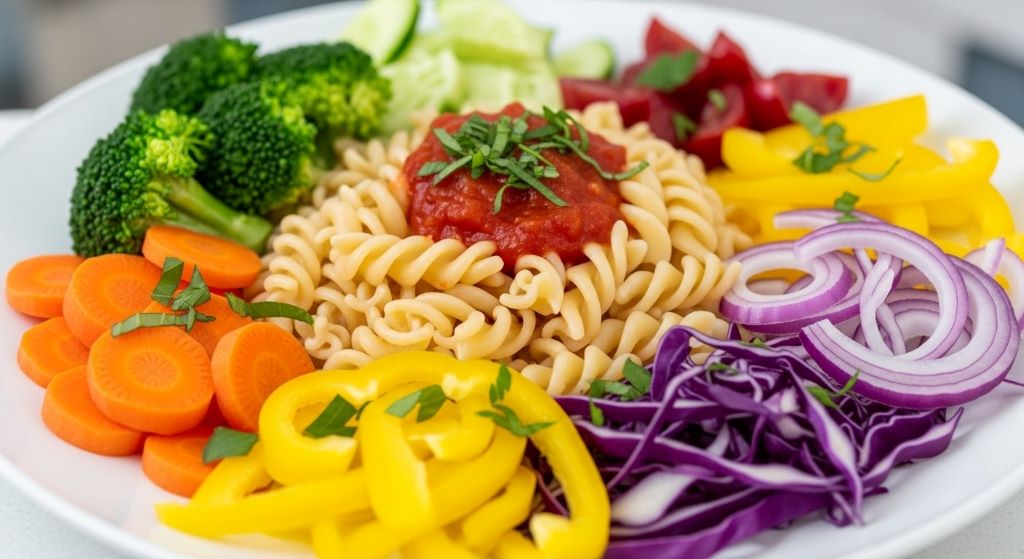
Living with phenylketonuria (PKU) as an adult requires careful attention to diet. However, with the right knowledge and planning, you can create delicious and satisfying meals while managing your condition effectively. This guide will walk you through the essentials of planning low phenylalanine meals that support your health and lifestyle.
Understanding PKU and Phenylalanine
PKU is a genetic disorder that affects how your body processes phenylalanine. This amino acid is found in most protein-containing foods. When you have PKU, your body cannot break down phenylalanine properly. Therefore, it builds up in your blood and can cause serious health problems if left unmanaged.
Adults with PKU must monitor their phenylalanine intake carefully. The daily limit varies from person to person. Most adults with PKU need to consume between 200 and 1,000 milligrams of phenylalanine per day. Your metabolic specialist will provide your specific target range based on your blood levels and individual needs.
Building Your Low Phenylalanine Meal Foundation
Creating satisfying meals starts with understanding which foods you can enjoy freely. Additionally, knowing which foods to limit or avoid entirely makes meal planning much easier.
Foods to Include Freely
Certain foods contain little to no phenylalanine. These become the foundation of your meals. Fruits and vegetables are your best friends when planning low phenylalanine meals. Most fruits contain very small amounts of phenylalanine, making them perfect for snacks and meal additions.
Vegetables also work well in your diet. Low protein vegetables like lettuce, cucumbers, bell peppers, and tomatoes can be eaten in generous portions. Meanwhile, special low protein products designed for PKU diets provide bread, pasta, and baking mixes that help create familiar meal experiences.
Foods to Measure and Limit
Some foods contain moderate amounts of phenylalanine. These require careful measurement and tracking. Potatoes, for example, contain phenylalanine but can be included in controlled portions. Similarly, certain vegetables like broccoli, cauliflower, and Brussels sprouts need to be measured according to your meal plan.
Small amounts of regular grains might fit into your daily allowance. However, you need to calculate their phenylalanine content precisely and adjust other meal components accordingly.
Foods to Avoid
High protein foods must be eliminated from your diet. This includes all meat, poultry, and fish. Dairy products like milk, cheese, and yogurt also contain too much phenylalanine for most PKU diets. Furthermore, eggs, nuts, seeds, and legumes are off limits due to their high protein content.
Regular bread, pasta, and baked goods made with wheat flour typically contain too much phenylalanine. Therefore, you must replace them with specially formulated low protein alternatives.
Creating Balanced and Satisfying Meals
Planning complete meals requires combining allowed foods in ways that satisfy both nutritional needs and taste preferences. Moreover, variety keeps your diet interesting and sustainable long term.
Breakfast Ideas
Start your day with fruits paired with low protein toast or cereal. A fruit smoothie made with special PKU formula provides protein without phenylalanine. Additionally, low protein pancakes or waffles topped with fresh berries and syrup create a filling breakfast. Some adults enjoy hash browns made from measured portions of potatoes alongside sautéed vegetables.
Lunch Options
Salads built on lettuce, cucumbers, tomatoes, and bell peppers provide satisfying crunch and volume. Top them with measured portions of low protein pasta or rice. Low protein bread allows you to create sandwiches filled with vegetables, spreads, and condiments.
Vegetable soups made with allowed vegetables and low protein pasta offer warmth and comfort. However, always check that any prepared ingredients meet your phenylalanine requirements. Stir fried vegetables over measured rice portions create colorful and flavorful meals.
Dinner Selections
Dinners can be creative and varied despite restrictions. Low protein pasta with tomato based sauces, vegetables, and herbs makes a classic meal. Add measured portions of potatoes or special low protein rice for heartier dishes.
Create vegetable curries using coconut milk and spices served over allowed grains. Pizza made with low protein crust and topped with vegetables and dairy free cheese satisfies cravings. Furthermore, stuffed peppers filled with vegetable mixtures and special grains provide complete meals in one package.

Essential Meal Planning Strategies
Successful PKU meal management requires organization and preparation. Therefore, developing efficient systems saves time and reduces stress.
Track Your Phenylalanine Intake
Keep detailed records of everything you eat. Many apps and websites provide phenylalanine values for common foods. Calculate your daily totals to ensure you stay within your prescribed range. Additionally, save successful meal combinations for easy reference later.
Prepare Foods in Advance
Batch cooking helps maintain dietary compliance when life gets busy. Prepare large quantities of allowed foods and freeze portions for quick meals. Chop vegetables ahead of time and store them ready to use. Moreover, having grab and go options prevents the temptation to eat restricted foods.
Read Labels Carefully
Always check nutrition labels on packaged foods. Look for the protein content first, as this indicates phenylalanine levels. According to the National PKU Alliance, most people with PKU use the general rule that 1 gram of protein equals approximately 50 milligrams of phenylalanine.
Work with Your Healthcare Team
Regular appointments with your metabolic dietitian ensure your meal plan meets your changing needs. Blood tests monitor your phenylalanine levels and guide dietary adjustments. Furthermore, discussing challenges with your team leads to practical solutions.
The Mayo Clinic explains that adults with PKU need ongoing medical supervision and dietary management throughout their lives. Your healthcare team provides personalized guidance based on your specific circumstances.
Making Social Situations Easier
Eating with others can present challenges. Nevertheless, planning ahead helps you navigate social meals successfully.
Bring your own food to gatherings when necessary. Most friends and family understand and support your dietary needs. Additionally, research restaurant menus before dining out to identify suitable options. Many restaurants accommodate special dietary requirements when contacted in advance.
Educate those around you about PKU without making it the focus of every interaction. This helps others support you while maintaining normal social connections. However, never feel pressured to eat foods outside your plan to please others.
Staying Motivated and Positive
Managing PKU throughout adulthood requires commitment. Therefore, focusing on what you can eat rather than restrictions maintains a positive mindset. Experiment with new recipes and cooking techniques to keep meals interesting.
Connect with other adults managing PKU through support groups or online communities. Sharing experiences and recipes with others who understand your challenges provides valuable support. Moreover, celebrating your successes in managing your condition reinforces positive behaviors.
Conclusion
Planning low phenylalanine meals for PKU requires knowledge, organization, and creativity. By understanding which foods to include freely, limit carefully, and avoid completely, you can create satisfying meals that support your health. Successful meal planning involves tracking intake accurately, preparing foods in advance, and working closely with your healthcare team. Additionally, navigating social situations becomes easier with planning and communication. Remember that managing PKU is a lifelong commitment, but with the right strategies, you can enjoy varied and delicious meals while maintaining optimal health.
Frequently Asked Questions
Can adults with PKU ever eat regular protein foods?
No, adults with PKU must avoid high protein foods like meat, dairy, and eggs throughout their lives. However, they can eat measured portions of some moderate protein foods based on their individual phenylalanine allowance.
How do I get enough protein on a low phenylalanine diet?
Adults with PKU rely on special medical formulas that provide protein without phenylalanine. These formulas are essential for meeting protein needs and preventing malnutrition while following the restricted diet.
Can I eat at restaurants with PKU?
Yes, eating at restaurants is possible with planning. Choose restaurants with vegetable based options, contact them ahead to discuss your needs, or bring allowed foods to supplement restaurant meals safely.
Do phenylalanine needs change as I age?
Yes, phenylalanine tolerance can change over time. Regular blood tests and healthcare team consultations ensure your meal plan adjusts to your changing needs throughout adulthood.
What happens if I accidentally eat too much phenylalanine?
Occasional small excesses typically cause temporary effects like difficulty concentrating or mood changes. However, consistently high levels can lead to serious neurological problems, so maintaining strict dietary control is essential.
Related Topics:
Best Exercises for Hypermobility Syndrome: A Guide to Safe Movement
What Is Tech Neck and How to Fix It: A Guide to Relief