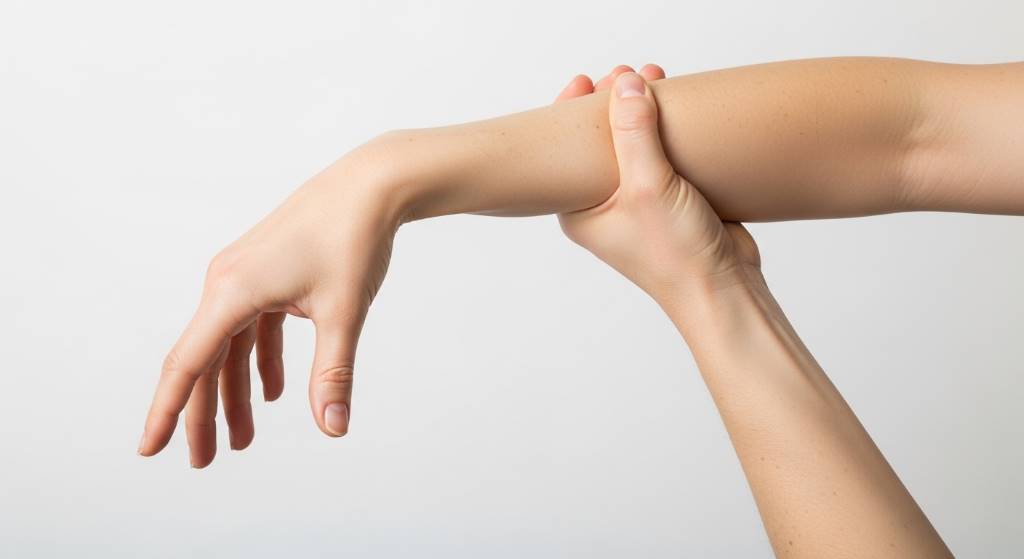
You click, scroll, drag, and repeat for hours. At first, it feels normal. Over time, your hand starts to ache. Your wrist feels stiff. Your fingers lose flexibility. Many professionals ignore these early signs until pain becomes constant.
According to the United States Bureau of Labor Statistics, musculoskeletal disorders account for nearly 30 percent of all workplace injuries requiring time away from work. Meanwhile, the National Institute of Neurological Disorders and Stroke reports that repetitive hand movements increase the risk of conditions like carpal tunnel syndrome.
The good news is simple. You can protect your hands with easy to do 9 hand exercises for mouse users. These movements improve circulation, increase flexibility, and reduce tension. In this guide, you will learn how to perform each exercise correctly and safely, along with practical tips to prevent strain.
Why Mouse Users Need Hand Exercises
Using a computer mouse may look harmless. However, repetitive micro movements stress small muscles and tendons in your hand and wrist. Over time, this strain affects:
- Flexor tendons in the fingers
- Extensor muscles in the forearm
- Median nerve in the wrist
- Wrist joint stability
As a result, common symptoms include:
- Tingling in fingers
- Wrist stiffness
- Weak grip strength
- Thumb pain
- Burning sensation in forearm
Moreover, prolonged static posture reduces blood flow. Reduced circulation slows tissue recovery. Consequently, pain builds gradually.
Hand stretches and strengthening exercises reverse this pattern. They improve mobility, support joint health, and reduce inflammation naturally.
How Often Should You Do These Exercises
Consistency matters more than intensity. Therefore, perform these exercises:
- Every 2 to 3 hours during work
- For 5 to 10 minutes per session
- With slow and controlled movements
Avoid forcing any motion. Mild stretching sensation is normal. Sharp pain is not.
The Easy to Do 9 Hand Exercises for Mouse Users

1. Wrist Flexor Stretch
This exercise targets the muscles you use while gripping the mouse.
How to Do It
- Extend your right arm forward with palm facing up.
- Use your left hand to gently pull the fingers downward.
- Hold for 20 to 30 seconds.
- Switch hands and repeat.
Why It Works
Wrist flexors remain contracted during mouse use. Stretching them reduces tension and improves flexibility. Additionally, it helps prevent wrist strain and stiffness.
2. Wrist Extensor Stretch
This movement balances the previous stretch.
Steps
- Extend your arm forward with palm facing down.
- Gently pull fingers downward toward your body.
- Hold for 20 to 30 seconds.
- Repeat on the other side.
Benefits
This stretch relieves forearm tightness and supports wrist mobility. As a result, your hand feels lighter and less fatigued.
3. Finger Tendon Glide
Finger tendon glide exercises improve coordination and reduce stiffness.
How to Perform
Follow this sequence slowly:
- Start with fingers straight
- Bend fingertips to touch upper palm
- Make a full fist
- Open back to straight position
Repeat 10 times per hand.
Why It Matters
This movement promotes smooth tendon movement. Therefore, it prevents locking and stiffness often seen in repetitive strain injuries.
4. Thumb Stretch
Mouse users often overuse the thumb.
Instructions
- Extend your hand with fingers straight.
- Gently pull your thumb away from palm.
- Hold for 15 seconds.
- Repeat 3 times per hand.
Benefits
Thumb mobility improves. Furthermore, this reduces risk of thumb tendon inflammation.
5. Prayer Stretch
This stretch works both wrists at once.
Steps
- Place palms together in front of chest.
- Keep elbows level.
- Slowly lower hands until stretch is felt.
- Hold for 20 seconds.
Why It Helps
It stretches inner forearm muscles and improves wrist alignment. Consequently, it reduces compression in the carpal tunnel area.
6. Reverse Prayer Stretch
This stretch complements the prayer stretch.
How to Do It
- Place backs of hands together.
- Raise hands gently upward.
- Hold for 15 to 20 seconds.
Effect
It targets extensor muscles and increases range of motion.
7. Stress Ball Squeeze
Strengthening matters as much as stretching.
Instructions
- Hold a soft stress ball.
- Squeeze for 5 seconds.
- Release slowly.
- Repeat 10 to 15 times.
Why Strength Is Important
Stronger muscles support tendons. As a result, your hands resist fatigue better.
Related:
Best Exercises for Hypermobility Syndrome: A Guide to Safe Movement
Arm-Only Workout Plans for Lower Body Disability
8. Wrist Circles
Mobility exercises maintain joint health.
Steps
- Extend arms forward.
- Rotate wrists clockwise 10 times.
- Rotate counterclockwise 10 times.
Benefits
Joint lubrication improves. Blood flow increases. Therefore, stiffness reduces quickly.
9. Finger Lift Exercise
This movement improves finger independence.
How to Perform
- Place hand flat on table.
- Lift one finger at a time.
- Hold for 2 seconds each.
- Repeat for all fingers.
Why It Works
It activates small stabilizing muscles. Consequently, coordination improves and strain decreases.
Additional Tips to Prevent Mouse Related Hand Pain
Exercises alone are not enough. Your work habits also matter.
Improve Mouse Position
- Keep wrist neutral
- Avoid bending upward or downward
- Use arm movement instead of only wrist
Adjust Desk Height
Elbows should form a 90 degree angle. Shoulders must stay relaxed. Therefore, tension decreases.
Take Micro Breaks
Research from Cornell University shows that short breaks every 20 to 30 minutes reduce musculoskeletal discomfort significantly.
Stand up. Stretch. Shake out your hands. Small habits prevent big problems.
Consider Ergonomic Equipment
Ergonomic mice reduce unnatural wrist angles. Vertical designs promote neutral positioning. As a result, pressure on the median nerve decreases.
Early Warning Signs You Should Not Ignore
Pay attention to:
- Night time tingling
- Weak grip
- Dropping objects
- Persistent thumb pain
If symptoms continue, consult a healthcare professional. Early intervention prevents chronic damage.
Scientific Backing Behind Hand Exercises
Multiple occupational health studies confirm that workplace stretching programs reduce repetitive strain injuries. The American Journal of Industrial Medicine reports measurable improvement in pain levels after regular stretching interventions.
Moreover, improved blood circulation accelerates tissue repair. Strength training enhances tendon resilience. Therefore, combining mobility and strengthening gives best results.
Sample Daily Routine for Mouse Users
Morning before work:
- Wrist flexor stretch
- Wrist extensor stretch
- Finger tendon glide
Midday break:
- Prayer stretch
- Reverse prayer stretch
- Wrist circles
Evening:
- Stress ball squeeze
- Finger lift exercise
- Thumb stretch
This structured approach ensures balanced muscle activation.
Common Mistakes to Avoid
- Stretching aggressively
- Skipping warm up
- Holding breath
- Ignoring discomfort
- Doing exercises only when pain appears
Consistency prevents injury. Reactive stretching only treats symptoms.
Who Benefits Most from These Exercises
These exercises help:
- Office workers
- Graphic designers
- Writers
- Programmers
- Gamers
- Remote professionals
Anyone who uses a mouse for more than two hours daily should practice these movements.
Conclusion
Your hands power your productivity. Ignoring discomfort leads to long term problems. Fortunately, easy to do 9 hand exercises for mouse users can protect your joints, strengthen muscles, and reduce strain.
Start today. Set a reminder. Practice these movements daily. Your future self will thank you.
FAQs
What causes hand pain from mouse use?
Repetitive movements, poor wrist posture, and prolonged static positioning cause muscle fatigue and nerve compression.
How long does it take to see improvement?
Most people notice reduced stiffness within one to two weeks of consistent stretching.
Can these exercises prevent carpal tunnel syndrome?
They reduce risk by improving circulation and flexibility. However, severe symptoms require medical evaluation.
Should I exercise if my wrist already hurts?
Mild stretching is safe. Stop if pain increases and consult a professional.
Are ergonomic mice necessary?
They are helpful but not mandatory. Proper posture and exercises remain essential.