Lower back pain is a common issue that affects millions of people worldwide. Whether it’s from sitting too long, lifting improperly, or just the wear and tear of daily life, dealing with lower back pain can feel overwhelming. The good news? You don’t always have to rely on medicine or professional treatment to find relief. In this guide, we’ll explore effective ways to manage lower back pain at home using simple, natural methods. Keep reading to discover how to ease your discomfort without pills or surgery.
What is Lower Back Pain and Why is it So Common?
Lower back pain refers to discomfort or pain in the area of the back below the ribs, typically affecting the muscles, ligaments, or bones. It can range from mild discomfort to severe pain and can interfere with your daily life. The pain may come and go or persist for weeks or even months. Lower back pain is incredibly common, with studies suggesting that up to 80% of people will experience it at some point in their lives.
Why Should You Manage Lower Back Pain Without Medicine?
Managing lower back pain without medicine is crucial for several reasons. Over-relying on painkillers can lead to dependency, side effects, or even worsen the underlying issue. Non-medical methods, on the other hand, help address the root causes of back pain without harmful side effects. Natural remedies and techniques such as exercise, posture correction, and stress management offer long-term relief and can reduce the frequency and severity of pain.
How Can You Alleviate Lower Back Pain Through Posture Correction?
Posture plays a significant role in back pain. Poor posture can strain your back muscles and lead to pain and discomfort. To improve your posture and relieve lower back pain:
- Sit Properly: Always sit with your back straight, shoulders relaxed, and feet flat on the floor. Use a chair with good lumbar support to maintain the natural curve of your spine.
- Stand Tall: Avoid slumping or rounding your back when standing. Keep your shoulders back, and distribute your weight evenly on both feet.
- Sleep Right: Opt for a mattress that supports your spine. Sleeping on your side with a pillow between your knees or on your back with a pillow under your knees can also improve spinal alignment.
Proper posture reduces strain on your muscles, allowing your back to heal and function better.
What Exercises Can Help Relieve Lower Back Pain?
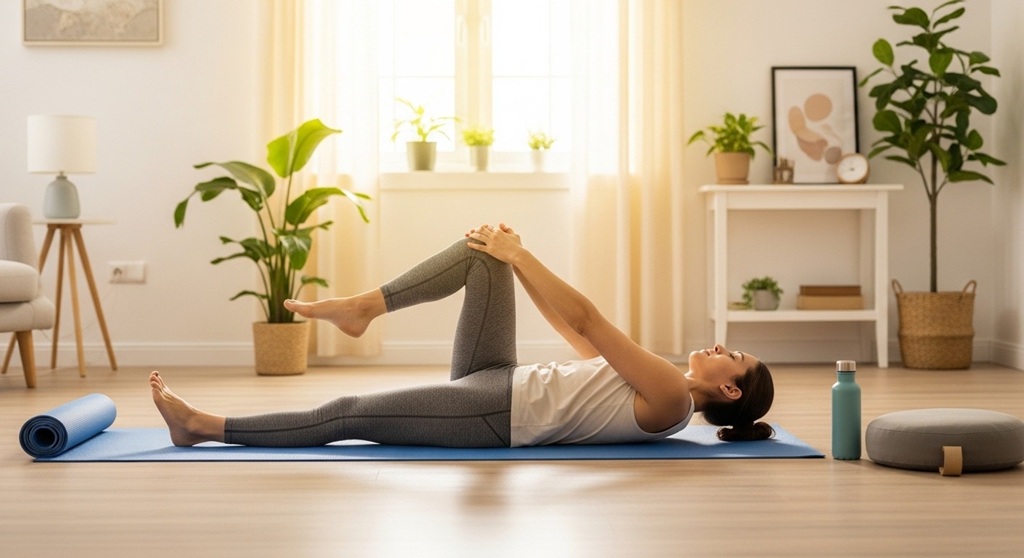
Exercise is one of the most effective ways to manage lower back pain without medication. Strengthening and stretching the muscles in your back, core, and legs can alleviate pain and prevent it from returning. Some simple exercises include:
- Cat-Cow Stretch: This yoga move helps increase flexibility in the spine and relieves tension in your back muscles.
- Bridge Exercise: Lying on your back, lift your hips toward the ceiling to strengthen your glutes, hamstrings, and lower back.
- Pelvic Tilts: This exercise targets your lower back and abdomen, helping to improve posture and reduce pain.
- Child’s Pose: Another yoga pose, this helps stretch your back and hips, providing gentle relief from pain.
Performing these exercises regularly can significantly reduce pain, improve flexibility, and strengthen your core muscles, which support the lower back.
How Does Heat and Cold Therapy Help With Lower Back Pain?
Heat and cold therapy are simple yet powerful methods to reduce lower back pain. Here’s how each works:
- Cold Therapy: Applying an ice pack or cold compress to your lower back can reduce inflammation and numb the pain. This is particularly useful for acute injuries or flare-ups.
- Heat Therapy: A heating pad or warm bath can relax tense muscles and improve blood circulation. This works well for chronic pain or stiffness.
It’s important to alternate between heat and cold therapy based on your pain. Use cold for the first 48 hours of injury, then switch to heat after that to encourage healing and relaxation.
What Role Does Stress Management Play in Lower Back Pain?
Stress can contribute to lower back pain by causing muscle tension and exacerbating the perception of pain. Managing stress is essential for preventing and reducing discomfort. Here are some effective ways to reduce stress:
- Mindfulness Meditation: Taking time each day to practice mindfulness or meditation can help reduce tension in your back and relax your mind.
- Deep Breathing Exercises: Breathing exercises can help calm your nervous system and reduce muscle tightness in your back.
- Progressive Muscle Relaxation: This technique involves systematically tensing and relaxing muscles to reduce overall tension in your body, including your back.
Reducing stress not only improves your mental well-being but can also help your muscles relax, which can alleviate back pain.
Can Diet and Weight Loss Impact Lower Back Pain?
What you eat and how much you weigh can affect the health of your lower back. Carrying excess weight places additional strain on your spine, contributing to pain. A balanced diet can help you maintain a healthy weight and support back health. Foods rich in anti-inflammatory properties—such as fish, nuts, and leafy greens—can reduce inflammation and promote healing in your back. Additionally, ensuring you get enough calcium and vitamin D helps maintain bone strength, which is essential for preventing back pain.
Here are some tips for improving your diet and managing weight:
- Eat Anti-Inflammatory Foods: Include foods like salmon, walnuts, and spinach to reduce inflammation.
- Stay Hydrated: Drinking plenty of water keeps the discs in your spine hydrated and helps prevent stiffness.
- Control Your Weight: Losing excess weight helps reduce pressure on your spine and the muscles surrounding it.
When Should You Seek Professional Help for Lower Back Pain?
While managing lower back pain at home can be effective, there are times when professional help is necessary. Seek medical advice if:
- Your pain doesn’t improve after a few weeks of self-care.
- You experience severe pain, numbness, or weakness in your legs.
- You have difficulty controlling your bladder or bowels.
Consulting a doctor or physical therapist can help you get to the root cause of your pain and receive targeted treatment options, such as physical therapy or injections.
Conclusion: Managing Lower Back Pain Effectively at Home
Managing lower back pain at home is entirely possible, and with the right combination of posture correction, exercise, stress management, and lifestyle changes, you can experience significant relief. While medications may provide temporary comfort, these natural approaches offer long-term benefits that target the root causes of your pain. Start by integrating these practices into your daily routine, and remember that consistency is key to feeling better. If your pain persists, don’t hesitate to seek professional help.
Take Action Now: Try incorporating these simple strategies into your daily life, and see how they improve your back health. You can also explore more articles on health and wellness to further enhance your well-being!
Frequently Asked Questions
1. Can exercise make lower back pain worse?
In some cases, certain exercises can aggravate lower back pain, especially if done incorrectly. It’s crucial to perform exercises that focus on gentle stretching and strengthening to avoid further injury. Always consult a healthcare provider before starting any new exercise regimen.
2. How long does it take to relieve lower back pain at home?
The duration of relief depends on the severity of the pain. With regular self-care practices like stretching and posture correction, many people experience improvement within a few days to a few weeks. However, chronic pain may take longer to manage effectively.
3. Can I continue working with lower back pain?
Yes, you can continue working with lower back pain, but it’s important to take regular breaks, adjust your posture, and avoid sitting or standing for long periods. Using a supportive chair and doing light stretches throughout the day can help reduce discomfort.
4. Is ice or heat better for lower back pain?
Both ice and heat can help with lower back pain, but they serve different purposes. Ice is ideal for acute injuries to reduce swelling, while heat can relax tight muscles and promote blood circulation for chronic pain.
5. Can poor posture cause lower back pain?
Yes, poor posture is one of the most common causes of lower back pain. Slouching or sitting with improper support can strain the muscles and ligaments in your back, leading to discomfort. Correcting your posture can significantly reduce pain.
6. What should I avoid if I have lower back pain?
Avoid heavy lifting, prolonged sitting, and activities that require twisting or bending in an unnatural way. If your pain is severe, try not to engage in any high-impact activities until your condition improves.
Read More Also: How to Plan a Low Phenylalanine Meal for Adults with PKU
Find out: Mochi Health Non-Surgical Weight Loss Options