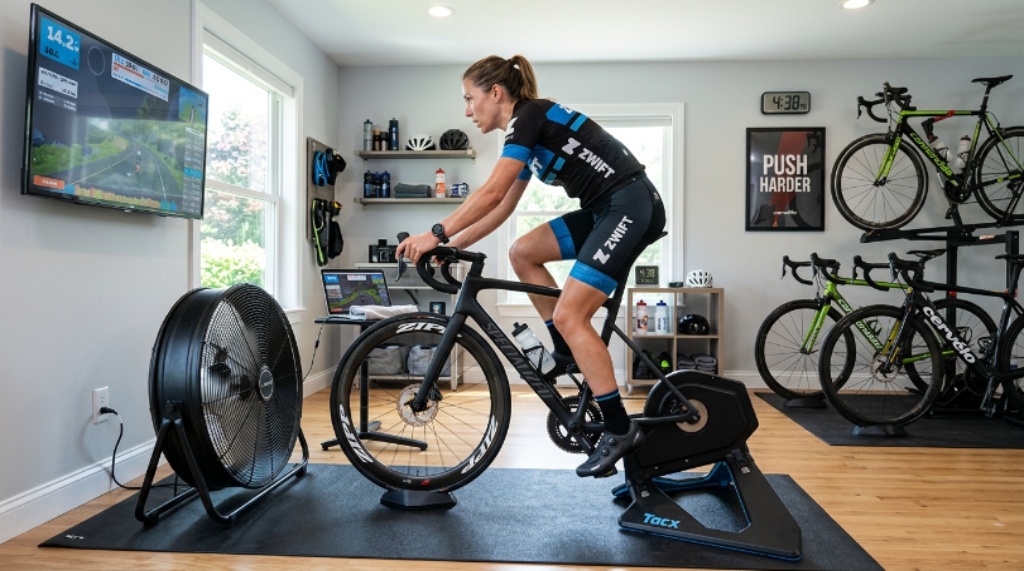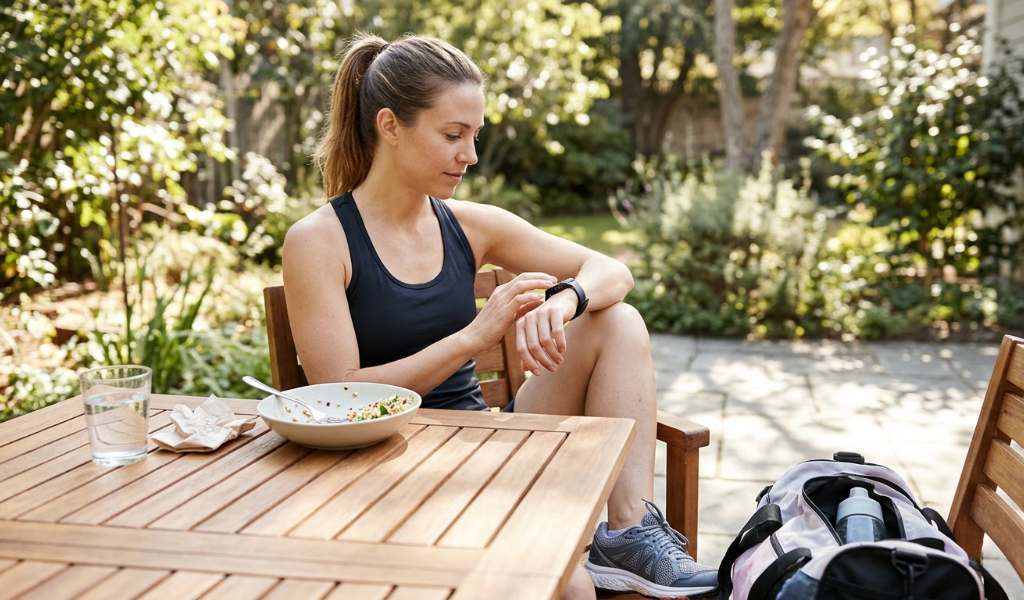
Most people should wait between 30 minutes and 3 hours after eating before exercising. The exact timing depends on meal size, workout intensity, and personal digestion speed. Light snacks need less waiting time, while large meals require more.
This guide breaks down how digestion affects performance, how meal size changes the ideal waiting period, and what happens if you exercise too soon. It also covers practical tips for timing meals around workouts effectively. Understanding these basics helps you avoid discomfort while still fueling your body properly.
Why Timing Between Eating And Exercise Matters
Digestion pulls blood flow toward your stomach and intestines. Exercising too soon after a meal forces your body to split that blood flow between digestion and muscle activity. This often leads to cramping, nausea, or sluggish performance.
Larger meals demand more digestive energy, which increases the risk of discomfort during movement. Smaller meals or snacks digest faster, so they require shorter waiting periods. Understanding this balance helps you plan workouts without feeling weighed down.
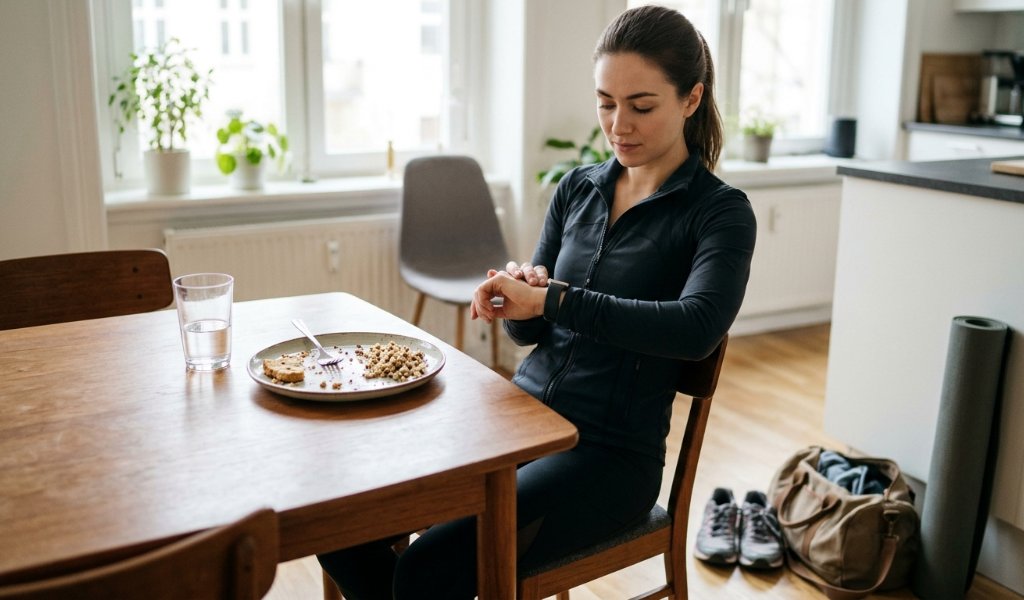
How Meal Size Changes The Waiting Period
A small snack like fruit or yogurt usually needs only 30 to 45 minutes before exercise. A moderate meal, such as a sandwich, generally needs about 1 to 2 hours. Large, heavy meals often require closer to 3 hours for comfortable digestion.
High-fat or high-protein meals take longer to digest than simple carbohydrates. Therefore, a greasy meal needs more waiting time than a bowl of oatmeal. Paying attention to meal composition helps you choose the right workout window.
Low-Impact Movement And Joint-Friendly Workouts
Not every workout puts the same strain on digestion or joints. People managing joint sensitivity often look for gentler routines that still keep them active. Many turn to guides covering best exercises for hypermobility syndrome to find movements that support stability without overloading the body.
These lower-impact routines also tend to sit easier on the stomach after eating. Gentle stretching or light walking rarely causes the same discomfort as intense cardio. As a result, timing becomes more flexible for people sticking to softer movement styles.
Everyday Movement Beyond The Gym
Exercise timing isn’t only about structured workouts at the gym. Many people spend hours seated at desks, which creates its own physical strain throughout the day. Simple routines like hand exercises for mouse users can fit easily into short breaks without worrying much about meal timing.
These small movements rarely trigger digestive discomfort since they require minimal exertion. Consequently, you can perform them shortly after eating without much concern. Mixing in these micro-movements throughout the day supports overall mobility alongside bigger workouts.
Finding Your Ideal Workout Window
Beyond meal timing, the time of day you choose to exercise also affects performance and comfort. Energy levels, hunger patterns, and daily schedules all play a role in this decision. Many fitness guides exploring when best time exercise point to consistency as the most important factor overall.
Some people perform best exercising in the morning on a light snack. Others prefer afternoon or evening sessions after a full meal has settled. Testing different windows helps you discover what feels most comfortable for your body.
What Happens If You Exercise Too Soon
Exercising immediately after a large meal often triggers stomach cramps or bloating. Running or jumping movements tend to worsen this discomfort more than walking or stretching. Some people also experience nausea or acid reflux during intense activity right after eating.
Blood sugar spikes from a recent meal can additionally cause energy crashes mid-workout. This happens because insulin response competes with the energy demands of exercise. Waiting even a short amount of time can prevent most of these issues.
Practical Tips For Timing Meals Around Workouts
Planning your meals around your workout schedule makes digestion and performance much smoother. A few simple habits can make a noticeable difference.
- Eat light snacks: choose easily digestible foods like bananas or toast before shorter workouts
- Space out big meals: leave at least 2 to 3 hours before high intensity training
- Stay hydrated: drink water steadily rather than large amounts right before exercising
- Listen to your body: adjust timing based on how you personally feel after eating
These small adjustments reduce discomfort while still giving your muscles the fuel they need. Over time, you’ll naturally learn your own ideal eating and exercise rhythm. Consistency matters more than following a strict universal rule.
Conclusion
The right waiting time after eating depends mostly on meal size and workout intensity. Light snacks allow shorter waits, while heavy meals need more time to settle. Paying attention to how your body responds helps you build a routine that feels both comfortable and effective.
Try tracking how different meals affect your energy and comfort during workouts this week. Adjust your timing based on what feels best rather than relying on strict rules alone. Small changes in meal timing can make a noticeable difference in how you perform.
Frequently Asked Questions
Can I exercise 30 minutes after eating?
Yes, light snacks usually allow comfortable exercise after just 30 minutes.
Is it bad to work out right after a big meal?
Yes, exercising right after a large meal often causes cramping and sluggishness.
How long should I wait after breakfast to run?
Wait about 1 to 2 hours after a normal breakfast before running.
Does exercising on an empty stomach burn more fat?
Some studies suggest it may, but results vary between individuals significantly.
What foods digest fastest before a workout?
Simple carbohydrates like fruit or toast digest fastest before exercise.