Citronella, a natural oil derived from certain types of lemongrass, is widely known for its insect-repelling properties. Often used in candles, sprays, lotions, and diffusers, it’s a go-to choice for keeping mosquitoes at bay during outdoor activities. But a common question lingers: is citronella bad for humans? The short answer is that citronella is generally safe for most people when used properly, but it can pose risks if misused or in specific situations. This article dives into the science behind citronella, its benefits, potential side effects, and practical safety tips to ensure you use it effectively without harm. By exploring real facts and addressing common concerns, we’ll help you make informed decisions about incorporating citronella into your life. Whether you’re lighting a citronella candle or applying a lotion, understanding its safety profile is key to enjoying its benefits worry-free. Let’s break down the facts and myths surrounding citronella use.
What Is Citronella and How Is It Used?
Snippet Answer: Citronella is an essential oil extracted from Cymbopogon plants, used in candles, sprays, and lotions to repel insects, particularly mosquitoes.
Citronella oil comes from two main species of lemongrass: Cymbopogon nardus and Cymbopogon winterianus. Its distinct lemony scent makes it a popular ingredient in natural insect repellents. For centuries, people have used citronella in various forms to ward off bugs, especially in tropical regions where mosquito-borne diseases are a concern. Today, you’ll find it in products like candles, outdoor torches, topical lotions, and even household cleaning sprays. Some also use it in aromatherapy for its calming effects, though this is less common.
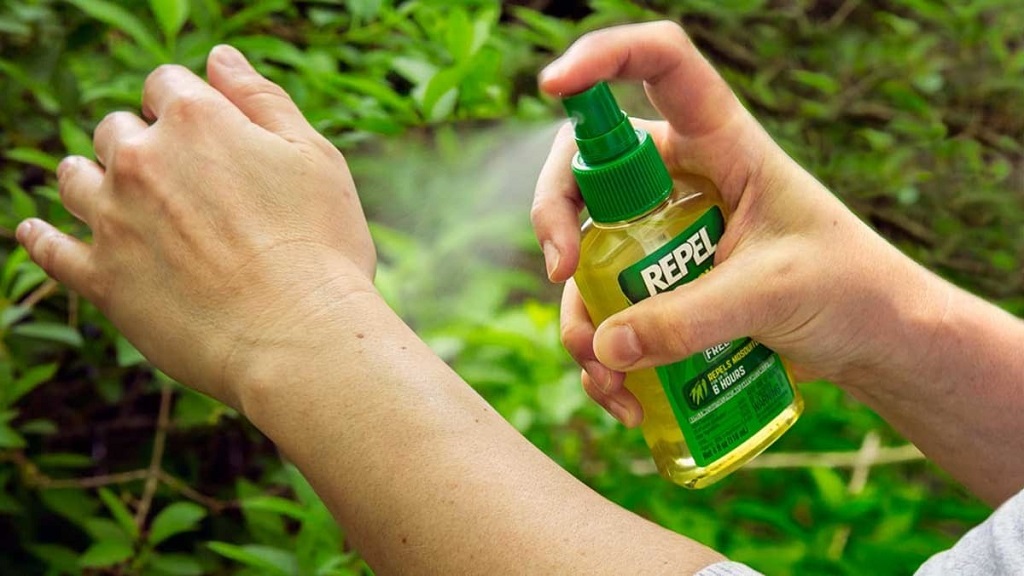
The oil works by masking scents that attract insects, making it harder for mosquitoes to locate humans. According to the Environmental Protection Agency (EPA), citronella is considered a biopesticide, meaning it’s a naturally occurring substance with low toxicity. It’s often marketed as a safer alternative to chemical repellents like DEET. However, its effectiveness depends on the product’s concentration and application method. For example, citronella candles may create a protective barrier in small outdoor areas, but they’re less effective in windy conditions or large spaces. Topical products, like lotions or sprays, typically offer better protection when applied correctly.
Is Citronella Bad for Humans?
Snippet Answer: Citronella is generally safe for humans when used as directed, but it can cause skin irritation or allergic reactions in some people.
When exploring whether is citronella bad for humans, the consensus from health authorities is that it’s low-risk for most people. The EPA classifies citronella as a non-toxic substance, and it’s approved for use in insect repellents. However, safety depends on how it’s used. For instance, applying citronella oil directly to the skin without dilution can lead to irritation, especially for those with sensitive skin. A study published in the National Library of Medicine notes that essential oils, including citronella, can cause contact dermatitis in some individuals, particularly when used in high concentrations.
Inhalation is another concern. Burning citronella candles or using diffusers releases tiny particles into the air, which may irritate the respiratory system in sensitive individuals, such as those with asthma. Additionally, ingesting citronella oil is not safe and can lead to symptoms like nausea, dizziness, or even more severe effects in large amounts. This is why products containing citronella come with clear usage instructions. For most people, though, using citronella in moderation—whether in candles, sprays, or lotions—poses minimal risk. Always follow product labels and avoid overexposure to ensure safety.
What Are the Potential Risks of Citronella?
Snippet Answer: Citronella risks include skin irritation, allergic reactions, respiratory issues, and toxicity if ingested.
While citronella is generally safe, it’s not without potential drawbacks. Let’s break down the main risks associated with its use:
- Skin Irritation: Undiluted citronella oil can cause redness, itching, or burning on the skin. People with sensitive skin or conditions like eczema are more prone to reactions. Always dilute essential oils with a carrier oil (like coconut or jojoba) before applying.
- Allergic Reactions: Some individuals may develop allergic responses, such as hives or rashes, after exposure. Patch testing on a small area of skin before full use is a smart precaution.
- Respiratory Irritation: Inhaling citronella vapors from candles or diffusers can irritate the lungs, especially for people with asthma or other respiratory conditions. Use in well-ventilated areas to minimize this risk.
- Ingestion Toxicity: Swallowing citronella oil can lead to serious symptoms, including nausea, vomiting, or even central nervous system effects in extreme cases. Keep citronella products out of reach of children and pets.
- Eye Irritation: Contact with eyes can cause stinging or redness. If this happens, rinse thoroughly with water and seek medical advice if symptoms persist.
To minimize these risks, always use citronella products as directed. For example, avoid applying undiluted oil directly to the skin, and ensure proper ventilation when using candles or diffusers. Pregnant women, children, and those with pre-existing health conditions should consult a healthcare provider before using citronella products extensively.
How Can You Use Citronella Safely?
Snippet Answer: Use citronella safely by diluting oils, following product instructions, patch testing, and avoiding ingestion or overuse.
Using citronella safely comes down to following a few practical guidelines. First, always dilute citronella oil before applying it to the skin. A common ratio is 1–2 drops of citronella oil per teaspoon of carrier oil. This reduces the risk of irritation while maintaining its insect-repelling benefits. When using commercial products like sprays or lotions, read the label carefully and apply only as directed. Overuse can lead to skin sensitivity over time.
Second, conduct a patch test before using a new citronella product. Apply a small amount to your inner forearm and wait 24 hours to check for redness or itching. This step is especially important for those with sensitive skin. Third, when using citronella candles or torches, place them in well-ventilated areas to avoid inhaling concentrated vapors. For aromatherapy, use diffusers sparingly and ensure the room is airy.
Finally, store citronella products safely. Keep oils, sprays, and candles out of reach of children and pets to prevent accidental ingestion or spills. If you’re looking for natural alternatives to chemical repellents, Secret Home Remedies offers practical tips on using citronella and other plant-based solutions safely. By following these precautions, you can enjoy citronella’s benefits without unnecessary risks.
Is Citronella Safe for Children and Pets?
Snippet Answer: Citronella is generally safe for children and pets when used cautiously, but avoid direct skin application or ingestion.
Parents and pet owners often wonder if citronella is safe for their little ones or furry friends. The answer depends on how it’s used. For children, citronella-based lotions or sprays labeled as kid-safe can be used, but only in small amounts and under adult supervision. Undiluted citronella oil should never be applied to a child’s skin, as their sensitivity is higher than adults’. Additionally, avoid using citronella candles or diffusers in enclosed spaces where children are present, as inhalation may cause respiratory discomfort.
For pets, citronella poses similar risks. Cats and dogs can be sensitive to essential oils, and ingestion can lead to serious health issues, including vomiting or lethargy. The ASPCA advises against using concentrated citronella oil around pets, especially in diffusers or sprays. However, pet-safe citronella products, like certain shampoos or collars, are formulated with lower concentrations and can be safe when used as directed. Always consult a veterinarian before introducing citronella to your pet’s environment. For both children and pets, err on the side of caution and prioritize ventilation and minimal exposure.
How Effective Is Citronella Compared to Other Repellents?

Snippet Answer: Citronella is less effective than DEET or picaridin but offers a natural alternative for short-term mosquito protection.
Citronella is a popular choice for those seeking natural insect repellents, but how does it stack up against synthetic options like DEET or picaridin? Studies show that citronella provides moderate protection against mosquitoes, typically lasting 1–2 hours when applied topically. In contrast, DEET-based repellents can last up to 6–8 hours, and picaridin offers similar longevity with fewer skin irritation concerns. The EPA notes that citronella’s effectiveness depends heavily on its concentration and application frequency. For example, a 10% citronella oil lotion may deter mosquitoes for about an hour, while higher concentrations can extend protection slightly.
However, citronella shines as a safer, eco-friendly option for short outdoor activities, like a backyard barbecue. Candles and torches create a localized barrier but are less reliable in windy conditions. For prolonged outdoor exposure or in areas with high mosquito activity, combining citronella with other protective measures—like long sleeves or mosquito nets—can enhance its effectiveness. Ultimately, citronella is best for low-risk settings where chemical repellents may not be necessary. Always reapply as needed and follow product guidelines for optimal results.
Conclusion
Citronella is a versatile and generally safe option for repelling insects, offering a natural alternative to chemical-based products. When used correctly, it poses minimal risks to humans, children, and pets, though precautions like dilution, patch testing, and proper ventilation are essential. While it may not match the long-lasting protection of DEET or picaridin, citronella’s appeal lies in its eco-friendly profile and pleasant scent. By understanding its benefits and limitations, you can make informed choices about incorporating it into your outdoor routine. For more natural solutions and detailed guidance, explore resources like Secret Home Remedies to enhance your knowledge of safe, plant-based options. Ready to try citronella? Start with a small, well-ventilated application and enjoy bug-free moments with confidence.
Read More Also: What Are the 7 Natural Food Groups?
FAQ Section
Can citronella cause skin allergies?
Answer: Yes, citronella can cause skin allergies in some people, especially those with sensitive skin.
Undiluted citronella oil or high-concentration products may trigger rashes, itching, or hives. Always perform a patch test and dilute oils before use.
Is it safe to inhale citronella from candles?
Answer: Inhaling citronella from candles is generally safe in well-ventilated areas but may irritate those with respiratory issues.
Use citronella candles outdoors or in airy spaces to minimize inhalation risks, especially for asthma sufferers.
Can I use citronella on my dog?
Answer: Citronella can be used on dogs in pet-safe products but avoid concentrated oils or diffusers.
Consult a vet before using citronella-based shampoos or collars, and never let pets ingest it.
How long does citronella repel mosquitoes?
Answer: Citronella repels mosquitoes for about 1–2 hours when applied topically, less for candles.
Reapply as needed and combine with other protective measures for longer outdoor activities.
Is citronella toxic if swallowed?
Answer: Yes, swallowing citronella oil can cause nausea, dizziness, or severe symptoms.
Keep citronella products out of reach of children and pets, and seek medical help if ingested.
Can pregnant women use citronella?
Answer: Pregnant women can use citronella in moderation but should consult a doctor first.
Stick to low-concentration products and avoid undiluted oils to ensure safety during pregnancy.
Does citronella work as well as DEET?
Answer: No, citronella is less effective than DEET, offering shorter-term mosquito protection.
It’s a natural alternative best for short outdoor activities, while DEET lasts longer in high-risk areas.