Structured manicures have revolutionized the nail industry by offering long-lasting, durable results that maintain their shape for weeks. According to experts at Health Articles Magazine, this technique has become increasingly popular among nail enthusiasts who want professional-quality results. However, achieving the perfect structured manicure requires specific tools and equipment that differ from traditional nail care methods.
The success of any structured manicure depends heavily on using the right tools and materials. Understanding what is a structured manicure and the tools required will help you achieve salon-quality results at home. This comprehensive guide covers all the essential equipment needed to create beautiful, long-lasting structured nails.
Professional nail technicians emphasize that having quality tools makes the difference between amateur and professional results. Therefore, investing in the right equipment is crucial for anyone serious about structured manicures.
Essential Base Tools for Structured Manicures
Nail Files and Buffers
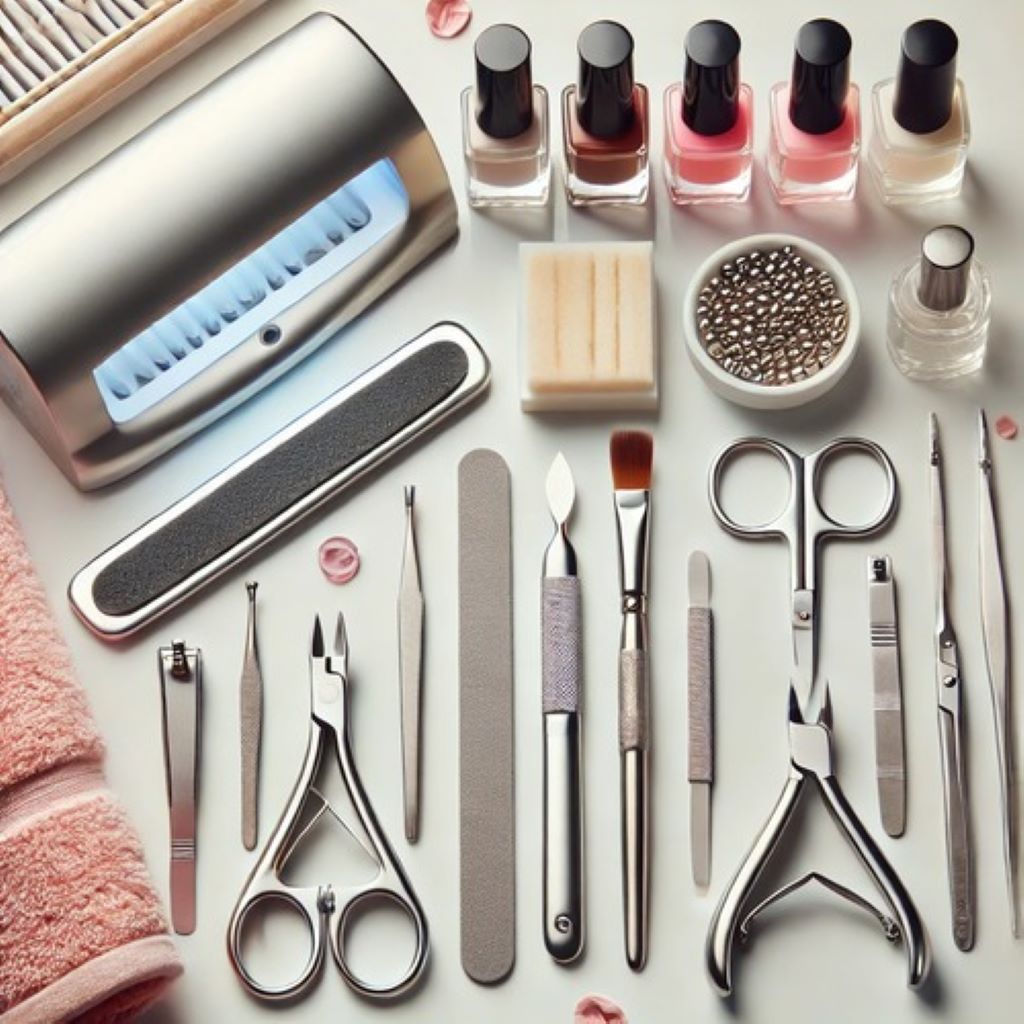
The foundation of any structured manicure begins with proper nail preparation. High-quality nail files are absolutely essential for this process. You’ll need several different grits to achieve the perfect shape and surface preparation.
A 180/240 grit file works perfectly for natural nail shaping. Additionally, you’ll need a 100/180 grit file for more aggressive shaping when working with longer nails. These files help create the proper foundation that structured products need to adhere effectively.
Buffer blocks are equally important for creating smooth surfaces. A four-way buffer allows you to progress through different stages of smoothing and shining. However, remember that over-buffing can damage the natural nail plate.
Cuticle Care Tools
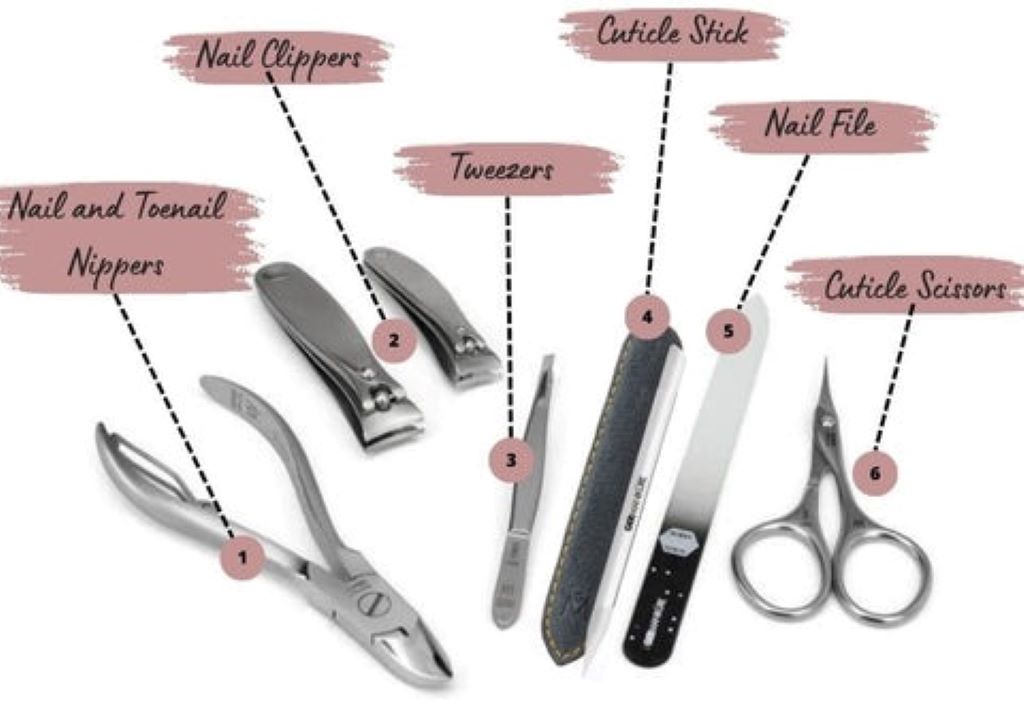
Proper cuticle preparation is crucial for structured manicures. A high-quality cuticle pusher made from stainless steel provides the precision needed for professional results. These tools help create clean nail beds that allow structured products to bond properly.
Cuticle nippers are necessary for removing excess skin and hangnails. Choose nippers with sharp, precise blades that cut cleanly without tearing. Additionally, a cuticle remover solution helps soften the skin for easier manipulation.
Specialized Equipment for Structured Application
UV/LED Lamps
Curing lamps are absolutely essential for structured manicures since most products require light activation. LED lamps offer faster curing times compared to traditional UV lamps. Most modern structured gel systems cure effectively under LED lights in 30-60 seconds per coat.
When selecting a lamp, ensure it has adequate wattage for proper curing. A 36-watt LED lamp typically provides sufficient power for most structured gel systems. However, some brands may require specific lamp specifications for optimal results.
Application Brushes
Different brush types serve specific purposes in structured manicure application. Flat brushes work best for applying base coats and color layers. These brushes provide even coverage and smooth application.
Detail brushes are essential for precision work around the cuticle area. A small, angled brush helps create clean lines and prevents product from touching the skin. Additionally, cleanup brushes dipped in acetone help remove any mistakes during application.
Advanced Tools for Professional Results
Electric Files and Drills
Electric files significantly speed up the preparation and maintenance process. These tools allow for precise shaping and surface preparation that would be time-consuming with manual files. However, proper training is essential to avoid damage to natural nails.
Various drill bits serve different purposes in structured nail preparation. Carbide bits work well for removing old product, while diamond bits provide gentle surface preparation. Additionally, safety bits help prevent accidental cuts during the filing process.
Forms and Tips
Nail forms provide the foundation for creating length in structured manicures. Paper forms offer flexibility and conform well to different nail shapes. These disposable forms create the template needed for building structured extensions.
Alternatively, nail tips can provide instant length before applying structured products. Plastic tips come in various sizes and shapes to match different nail beds. However, proper sizing and application are crucial for natural-looking results.
Product Application Tools
Mixing and Measuring Equipment
Some structured systems require precise mixing of components. Small mixing cups help combine products in correct ratios. Additionally, measuring tools ensure consistency between applications.
Disposable applicators prevent cross-contamination between different products. These tools are especially important when working with multiple clients or different colored products.
Surface Preparation Solutions
Proper surface preparation is crucial for structured manicure longevity. Dehydrating solutions remove oils and moisture from the natural nail plate. These products create optimal conditions for product adhesion.
Primer solutions help bond structured products to natural nails. However, different systems may require specific primers for optimal results. Therefore, always use products from the same manufacturer when possible.
Safety and Hygiene Equipment
Protective Gear
Safety should always be a priority when performing structured manicures. Nitrile gloves protect hands from chemicals and prevent skin reactions. Additionally, these gloves maintain hygiene standards during application.
Dust masks are essential when filing or drilling structured materials. These products can create fine particles that shouldn’t be inhaled. Furthermore, proper ventilation helps maintain air quality in work areas.
Sterilization Tools
Proper tool sterilization prevents infections and maintains professional standards. UV sterilizing cabinets provide effective disinfection for metal tools. Additionally, hospital-grade disinfectants help maintain clean work surfaces.
Disposable items like files and orangewood sticks eliminate cross-contamination risks. However, reusable tools must be properly cleaned and sterilized between uses.
Quality Considerations and Brand Selection
Investing in quality tools pays dividends in the long run. Professional-grade equipment lasts longer and provides better results than cheaper alternatives. However, beginners can start with mid-range tools and upgrade as their skills develop.
Research different brands and read reviews before making purchases. Many professional nail technicians share their tool preferences online. Additionally, attending trade shows allows hands-on testing of different equipment options.
According to industry reports from Nails Magazine, the global nail care market continues growing, driving innovation in tool development. This growth means more options for consumers but also makes selection more challenging.
Maintenance and Care of Tools
Proper tool maintenance extends equipment life and ensures consistent results. Clean tools immediately after use to prevent product buildup. Additionally, regular maintenance schedules help identify worn components before they affect performance.
Store tools properly to prevent damage and contamination. Dedicated tool cases protect equipment during transport and storage. Furthermore, organized storage systems improve efficiency during application.
Conclusion
Successfully performing structured manicures requires a comprehensive collection of specialized tools and equipment. From basic files and buffers to advanced electric drills and curing lamps, each tool serves a specific purpose in creating beautiful, long-lasting results. Quality equipment makes the difference between amateur and professional outcomes.
The initial investment in proper tools may seem substantial, however, the ability to create salon-quality structured manicures at home or in a professional setting justifies the expense. Additionally, well-maintained tools provide years of reliable service, making them cost-effective over time.
Remember that mastering these tools takes practice and patience. Start with basic equipment and gradually add specialized tools as your skills develop. Therefore, focus on learning proper techniques while building your tool collection systematically.
Frequently Asked Questions
What is the most important tool for structured manicures? The UV/LED curing lamp is the most crucial tool since structured products require light activation to cure properly. Without adequate curing, the manicure will not achieve its characteristic durability and longevity.
Can I use regular nail files for structured manicures? While regular files can work for basic preparation, structured manicures benefit from professional-grade files with specific grits. Additionally, electric files significantly improve efficiency and precision in product removal and shaping.
How much should I expect to spend on structured manicure tools? A basic starter kit ranges from $150-300, while professional setups can cost $500-1000 or more. However, quality tools last for years, making them a worthwhile investment for regular users.
Do I need different tools for different structured nail systems? Most tools work across different systems, however, some brands require specific primers or curing specifications. Therefore, check manufacturer recommendations before mixing products from different systems.
How often should I replace my structured manicure tools? Files and buffers need replacement based on usage frequency, typically every 3-6 months for regular users. Additionally, brush replacement depends on care and cleaning practices, usually lasting 6-12 months with proper maintenance.
Read More:
Is Sally’s Hair Dye the Same as Box Dye?
10 Healthy Benefits of Meditation for Seniors: A Path to Peace and Wellness in the Golden Years