Introduction: Why Essential Oils Are More Than Just a Trend
In today’s fast-paced world, finding natural solutions for stress relief, better sleep, and improved well-being is more important than ever. One such solution that has gained immense popularity is the use of essential oils. But what exactly are these aromatic elixirs? How do they work? And most importantly, how can you seamlessly integrate essential oils into routine for a healthier, more balanced lifestyle?
Essential oils are concentrated plant extracts that capture the natural aroma and therapeutic properties of their source. They have been used for centuries in traditional medicine practices like Ayurveda and Chinese medicine. Modern science is now catching up, validating many claims about their benefits through research.
In this comprehensive guide, we’ll explore everything you need to know about integrating essential oils into your routine—from understanding their science-backed advantages to practical tips on safe usage. Whether you’re a beginner or an experienced user, this article will arm you with expert knowledge and actionable steps to harness the full potential of essential oils.
The Science Behind Essential Oils: What Makes Them Effective?
What Are Essential Oils?
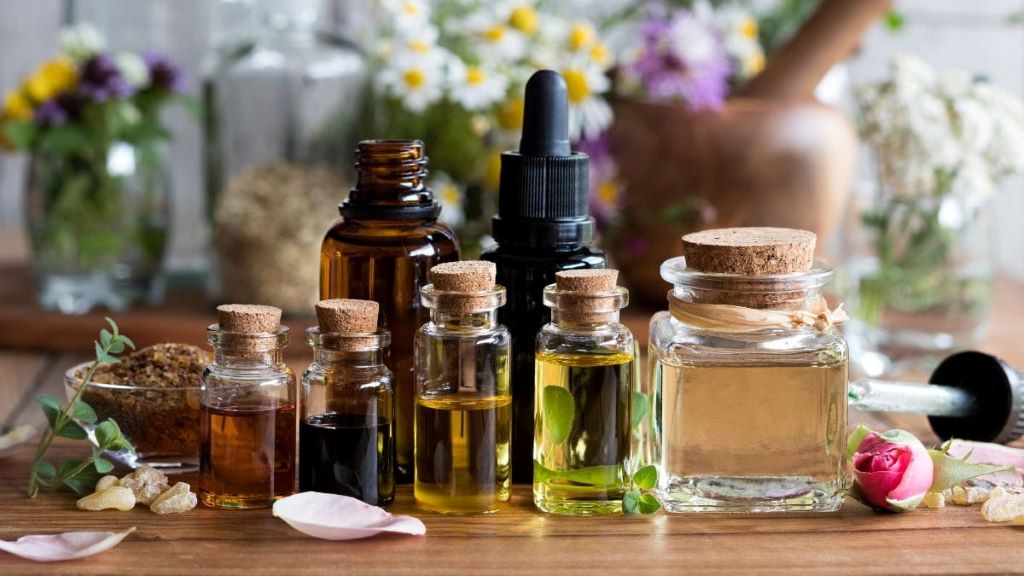
Essential oils are volatile compounds extracted from plants through methods like steam distillation or cold pressing. Each oil carries the essence of its source plant, offering unique benefits depending on its chemical composition. For instance, lavender oil contains linalool and linalyl acetate, which are known for their calming effects.
How Do Essential Oils Work?
When inhaled or applied topically (diluted), essential oils interact with our limbic system—the part of the brain responsible for emotions, memory, and behavior. Aromatherapy, the practice of using essential oils for therapeutic purposes, leverages this connection to promote relaxation, focus, and even pain relief.
According to a 2021 study published in Evidence-Based Complementary and Alternative Medicine , inhaling certain essential oils like peppermint and eucalyptus can improve cognitive function and reduce symptoms of anxiety. Similarly, topical application of diluted oils has shown promise in reducing inflammation and promoting wound healing.
Why Should You Consider Using Them?
With growing concerns about synthetic chemicals in skincare products and household cleaners, essential oils offer a natural alternative. Plus, they’re versatile enough to be incorporated into various aspects of daily life—from beauty routines to home cleaning.
Step-by-Step Guide to Integrating Essential Oils Into Your Routine
-
Start Small: Choose Beginner-Friendly Oils
If you’re new to essential oils, start with tried-and-tested options like:
- Lavender : Known for its soothing properties.
- Peppermint : Great for boosting energy and alleviating headaches.
- Tea Tree : Ideal for skin care and disinfecting surfaces.
These oils are widely available and come with extensive safety data.
-
Understand Proper Usage Methods
There are three primary ways to use essential oils:
- Inhalation : Add a few drops to a diffuser or inhale directly from the bottle.
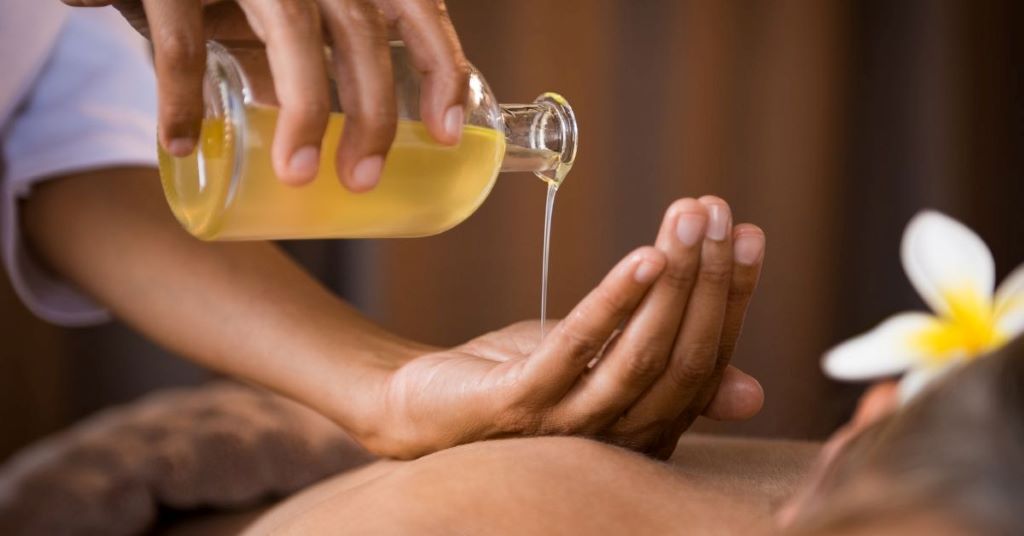
- Topical Application : Always dilute with a carrier oil like coconut or jojoba before applying to the skin.
- Internal Use : Only ingest oils labeled as food-grade and follow manufacturer guidelines strictly.
-
Create a Morning Ritual
Kickstart your day by adding a drop of citrus oil like lemon or orange to your water for a refreshing boost. Alternatively, diffuse energizing oils like rosemary or grapefruit while getting ready.
-
Incorporate into Skincare
Mix a drop of tea tree oil with your moisturizer to combat acne or add frankincense oil to your night cream for anti-aging benefits. Remember to patch test first!
-
Use for Better Sleep
Diffusing lavender or chamomile oil before bedtime can help calm your mind and prepare your body for restful sleep. According to the National Sleep Foundation, aromatherapy can significantly improve sleep quality.
Pros and Cons of Using Essential Oils
Pros
- Natural and Eco-Friendly : Free from harsh chemicals, making them safer for both humans and the environment.
- Versatile Applications : Can be used for wellness, cleaning, and personal care.
- Cost-Effective : A little goes a long way, so one bottle lasts months.
Cons
- Potential Allergies : Some individuals may experience allergic reactions or sensitivities.
- Misinformation : Not all claims about essential oils are scientifically proven.
- Improper Use Risks : Undiluted oils can cause skin irritation or other side effects.
Real-Life Success Stories: How People Are Benefiting
Take Sarah, a working mom who struggled with insomnia for years. After incorporating lavender oil into her nightly routine, she noticed a significant improvement in her sleep patterns within weeks. Similarly, Mark, a fitness enthusiast, swears by eucalyptus oil for post-workout muscle recovery.
These stories highlight the transformative power of essential oils when used correctly and consistently.
Debunking Common Myths About Essential Oils
Myth 1: Essential Oils Can Cure Chronic Diseases
While essential oils offer numerous health benefits, they should not replace conventional medical treatments. Always consult a healthcare professional for serious conditions.
Myth 2: All Essential Oils Are Safe for Kids
Certain oils, like eucalyptus and peppermint, are not recommended for young children due to potential respiratory issues.
Myth 3: Pure Essential Oils Are Always Safe
Even pure oils need proper dilution and cautious handling to avoid adverse reactions.
Expert Opinions and Insights
Dr. Andrew Weil, a pioneer in integrative medicine, emphasizes the importance of using high-quality oils sourced from reputable brands. “Quality matters,” he says. “Look for third-party testing and transparency in sourcing.”
On the flip side, skeptics like Dr. Steven Novella argue that many claims lack robust clinical evidence. However, even critics acknowledge the psychological benefits of aromatherapy.
Top-Performing Articles on This Topic
- “The Beginner’s Guide to Essential Oils” – Healthline
- “How to Use Essential Oils Safely” – WebMD
- “The Science of Aromatherapy” – Psychology Today
Frequently Asked Questions (FAQs)
Q1: Are essential oils safe during pregnancy?
A: Consult your doctor before use, as some oils may pose risks.
Q2: Can I apply essential oils directly to my skin?
A: No, always dilute with a carrier oil to prevent irritation.
Q3: Do essential oils expire?
A: Yes, most oils last 1-3 years if stored properly.
Q4: Is it safe to diffuse oils around pets?
A: Certain oils can harm animals; research pet-safe options.
Q5: Can essential oils replace medications?
A: No, they should complement—not replace—medical treatments.
Q6: How do I store essential oils?
A: Keep them in dark glass bottles away from heat and sunlight.
Q7: Can kids use essential oils?
A: Only under adult supervision and after consulting a pediatrician.
Q8: What’s the best way to clean with essential oils?
A: Mix a few drops with water and vinegar for a natural cleaner.
Q9: Are there any side effects of essential oils?
A: Possible reactions include skin irritation, nausea, or allergic responses.
Q10: Where can I buy high-quality essential oils?
A: Look for trusted brands like doTERRA, Young Living, or Plant Therapy.
Conclusion: Unlock the Power of Nature
Integrating essential oils into your routine offers countless opportunities to enhance your physical, emotional, and mental well-being. By starting small, staying informed, and prioritizing safety, you can unlock the full potential of these natural wonders. So why wait? Begin your journey toward holistic health today!
Final Thoughts
This guide aims to empower you with the knowledge and tools needed to make the most of essential oils. Share your experiences and questions in the comments below—we’d love to hear from you!
Read More:
Preserving Your Vision: A Comprehensive Guide to Eye Health in Your Golden Years
The Power of Positivity: Why a Positive Attitude Transforms Communication