Yoga is widely recognized for its therapeutic benefits, helping to improve flexibility, reduce stress, and promote physical well-being. For individuals with lower back pain, yoga can be a great way to support healing and strengthen the body. However, not all yoga poses are suitable for people with lower back discomfort. In fact, some asanas (yoga poses) can aggravate the condition and lead to further strain or injury. If you are suffering from lower back pain, it is crucial to know which yoga poses to avoid and why. This article will help you identify which asanas should not be done in back pain, highlight lower back pain yoga poses to avoid, and provide safer alternatives to protect your spine while still reaping the benefits of yoga.
Understanding Lower Back Pain and Yoga
Lower back pain affects approximately 80% of people at some point in their lives, according to the American Chiropractic Association. When it comes to practicing yoga with lower back pain, it’s essential to recognize that certain poses can place undue pressure on the spine, aggravating pain or even causing further injury. For those who suffer from conditions like herniated discs, muscle strains, or sciatica, it’s particularly important to avoid poses that could exacerbate existing issues. Moreover, if you also have neck problems, certain poses that stretch or twist the spine may put added pressure on your cervical spine, leading to discomfort in both the neck and lower back.

Experts suggest that practicing yoga with lower back pain should be done with caution and ideally under the guidance of a certified instructor. Modifications can be made to most poses to alleviate stress on the back, helping you enjoy the benefits of yoga safely.
1. Forward Fold (Uttanasana)
Why to Avoid: Forward Fold is one of the most common poses in yoga, but for individuals with lower back pain, it can be problematic. The forward bending motion causes the spine to round, placing pressure on the lumbar region. If you already suffer from a herniated disc or tight hamstrings, this deep fold can exacerbate your lower back pain. For those with neck problems, the position can strain the cervical spine as well.
Expert Tip: To modify Forward Fold, bend your knees and lengthen your spine before folding forward. Keep your hands on blocks or your thighs to avoid excessive rounding of the lower back. This adjustment ensures your spine remains neutral and reduces pressure.
2. Camel Pose (Ustrasana)
Why to Avoid: Camel Pose is a deep backbend that requires the spine to arch in the opposite direction of its natural curve. While it’s beneficial for stretching the front of the body, it can be too intense for those with lower back pain. The deep arch in the lumbar spine can increase pressure, leading to further pain or injury. If you have neck problems, looking back too far can also strain the cervical spine, causing additional discomfort.
Expert Tip: For those with lower back or neck pain, it’s better to avoid deep backbends like Camel Pose. A gentler alternative is Sphinx Pose (Bhujangasana), which offers a mild backbend while maintaining better spinal alignment.
3. Wheel Pose (Chakrasana)
Why to Avoid: Wheel Pose is one of the most advanced backbends in yoga, requiring considerable flexibility and strength. It involves deep extension in the spine, which can place undue stress on the lower back, particularly for individuals with weak back muscles or herniated discs. The intense arch also increases the risk of injury in the neck if your head is not properly supported.
Expert Tip: A safer alternative to Wheel Pose is Bridge Pose (Setu Bandhasana), which offers a gentler backbend and is excellent for strengthening the glutes, hamstrings, and lower back muscles without overextending the spine.
4. Plough Pose (Halasana)
Why to Avoid: Plough Pose requires the legs to go overhead while maintaining a position that can create significant strain on the lumbar spine. The deeper you stretch in this pose, the greater the risk of aggravating lower back pain, especially if the muscles around the spine are already tight. For those with herniated discs or sciatica, this pose can be risky. Additionally, if you have neck problems, the weight placed on your cervical spine during this asana could cause discomfort.
Expert Tip: To stretch the back safely, try a modified version of Halasana with the legs bent or perform a gentle Supine Hamstring Stretch using a yoga strap. This ensures your spine stays neutral without excessive stress.
5. Boat Pose (Navasana)
Why to Avoid: Boat Pose requires balancing on your sit bones with your legs lifted and your torso leaning back. While it strengthens the core, it can place significant strain on the lower back, especially if the muscles of the spine and abdomen are weak. This pose requires good core engagement, but for those with existing lower back issues, the imbalance can cause strain in the lumbar region.
Expert Tip: If you want to work on core strength without stressing the lower back, try a modified Boat Pose with bent knees and feet closer to the floor. This version minimizes strain on the lower back while still activating the core muscles.
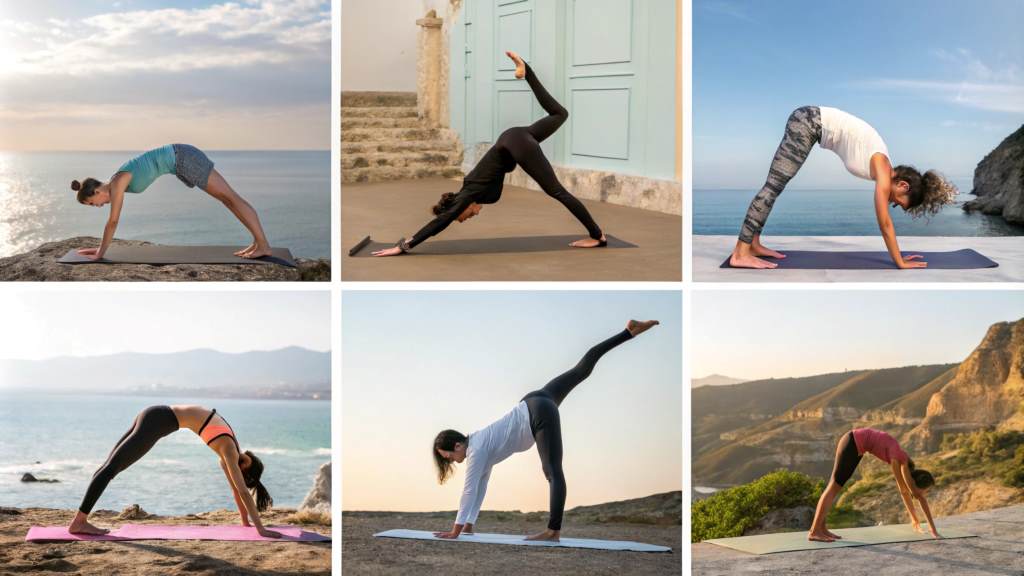
6. Sun Salutations (Surya Namaskar)
Why to Avoid: Sun Salutations are often part of a flow practice, involving movements from standing to floor poses and back again. For people with lower back pain, the rapid transitions between forward folds, lunges, and backbends can strain the spine. Additionally, if your body is not properly warmed up, the fast movements can lead to injury. If you suffer from neck issues, some of the forward bends and upward-facing poses can exacerbate discomfort.
Expert Tip: Modify Sun Salutations by slowing down the pace and focusing on proper alignment in each pose. You can also replace certain poses, like Downward Dog, with a gentler Child’s Pose (Balasana) or Cat-Cow stretches.
7. Standing Backbend (Anuvittasana)
Why to Avoid: Standing backbends, such as Anuvittasana, involve arching the spine while standing, which can be too intense for individuals with lower back pain. The lack of support in a standing position makes it difficult to maintain a safe spinal alignment. Moreover, if you have neck problems, this backbend can add stress to the cervical spine if you over-extend or drop your head back too far.
Expert Tip: Instead of a standing backbend, try gentle seated stretches like Seated Cat-Cow or a mild Standing Forward Fold with knees bent. These alternatives provide a gentle stretch to the spine without risking injury.
Yoga Poses that are Beneficial But Often Overlooked
While the above poses are generally considered risky for those with lower back pain, there are numerous yoga movements and stretches that may not be traditionally counted among “standard” yoga poses but offer excellent benefits for back pain relief. These exercises can be incorporated into your practice without placing undue stress on the spine. They can be especially helpful if you experience lower back pain or neck problems.

Pelvic Tilts
This simple exercise can be incredibly effective for strengthening the lower back and relieving tension. To perform pelvic tilts, lie on your back with your knees bent and feet flat on the floor. Tighten your abdominal muscles and push your lower back into the mat as you tilt your pelvis. Hold for a few seconds, then relax. Repeat 10 to 15 times. This exercise helps to strengthen the core muscles, improve lumbar spine alignment, and reduce lower back discomfort.
Bridge Pose (Setu Bandhasana) – Modified Version
While this is a common yoga pose, many people underestimate its power as a gentle exercise for lower back pain relief. Bridge Pose strengthens the glutes, hamstrings, and lower back muscles while supporting spinal alignment. If you are dealing with back pain asanas or neck problems, use a modified version of Bridge Pose by keeping your knees slightly bent or elevating your feet on a block to reduce the strain on your back.
Knee to Chest Stretch
This gentle stretch targets the lower back and hip muscles, offering relief for tension and stiffness. To perform this stretch, lie on your back with your knees bent and feet flat on the floor. Slowly pull one knee toward your chest, holding it there for 20 to 30 seconds. Switch sides and repeat. This simple stretch can be very effective for relieving discomfort caused by lower back pain and tight hips.
Cat-Cow Stretch (Marjaryasana-Bitilasana)
Although this stretch is a common part of many yoga practices, it’s often overlooked as a therapeutic movement for back pain. The Cat-Cow stretch involves alternating between arching and rounding your back while on your hands and knees. This movement helps to mobilize the spine, alleviate tension in the lower back, and improve spinal flexibility.
Child’s Pose (Balasana)
Child’s Pose is often used as a resting pose, but it’s an incredibly effective stretch for the lower back and hips. To perform this pose, start on your hands and knees, then slowly sit back onto your heels, lowering your torso to the mat. Keep your arms extended in front of you to enhance the stretch. This pose can be especially beneficial for relieving stress and tension in the back, helping to alleviate discomfort caused by lower back pain.
Conclusion
Yoga can be a fantastic way to manage lower back pain, but not all poses are appropriate for everyone. Avoiding certain poses, like Forward Fold, Camel Pose, and Wheel Pose, can help prevent further injury and discomfort. Instead, consider incorporating gentler, more supportive movements into your practice, such as pelvic tilts, Bridge Pose, and Child’s Pose, which can help alleviate tension and strengthen the muscles supporting the spine.
Remember that listening to your body is key. If any pose causes discomfort, stop and adjust. Working with a certified yoga instructor who understands your specific needs can also be beneficial in ensuring that your practice is both safe and effective. By focusing on lower back pain yoga poses to avoid and neck problems, you can enjoy the healing benefits of yoga without the risk of exacerbating your condition.