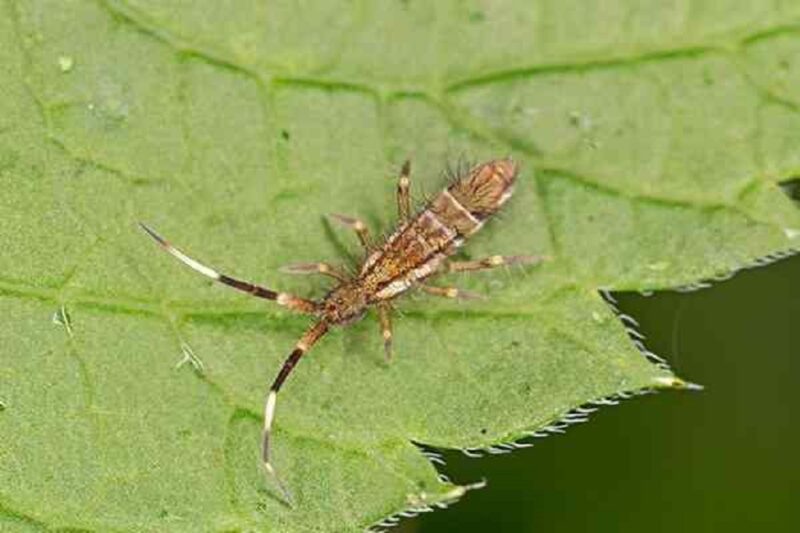
Springtails, or Collembola, appear as tiny, wingless insects, measuring only 1-2 millimeters in length. With six legs attached to their round, soft bodies, they come in various colors, such as gray, brown, black, or white.
These small creatures have distinctive appendages at their rear called furcula, which they use to catapult themselves into the air when threatened. Springtails often populate moist environments like soil, leaf litter, and decaying matter, but they can also be found in other habitats.
Some species of springtails can be found indoors, especially in basements, kitchens, and bathrooms, where their presence might indicate excessive moisture or a potential moisture-related issue. Despite their minuscule size, springtails can become noticeable when they gather in large numbers and move together, resembling a moving carpet or tiny black specks.
The World Of Springtails
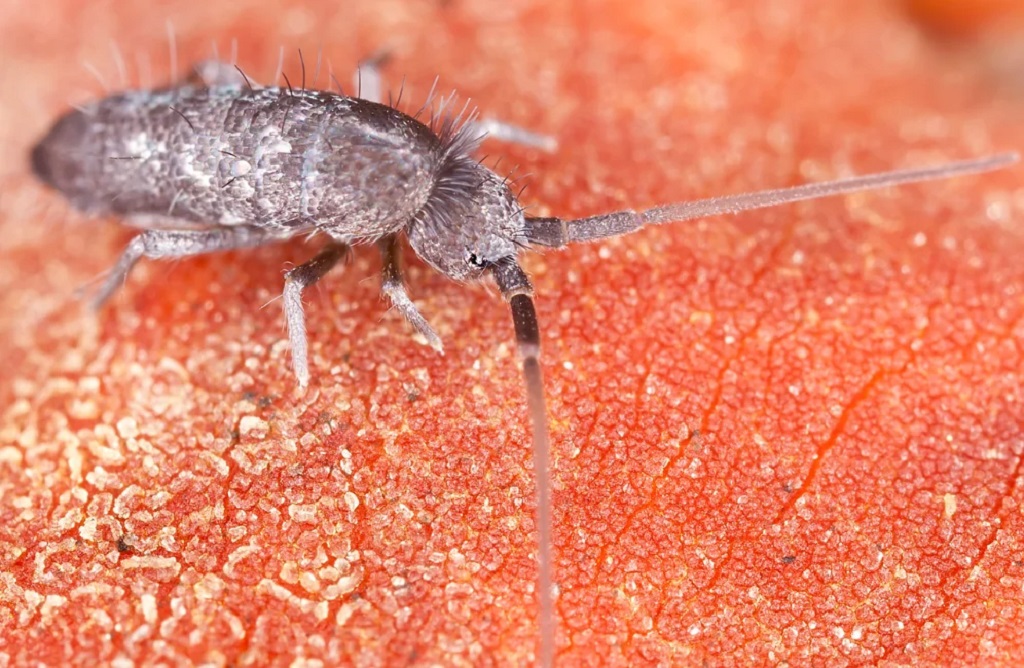
When it comes to the world of insects, not all creatures can be easily observed with the naked eye. These tiny creatures, known as springtails, belong to the class Collembola and are considered one of the most abundant and diverse groups of insects on Earth. Despite their small size, springtails play a significant role in terrestrial ecosystems, contributing to soil health and nutrient cycling. Their importance cannot be underestimated, even though they are often overlooked due to their microscopic size.
Springtails come in an array of colors and shapes, showcasing the incredible diversity within their species. While their size may vary from 0.2 to 6 millimeters, their appearance is what truly captures attention. These fascinating creatures exhibit a range of colors, including white, gray, brown, black, and even vibrant shades of red, yellow, or blue. Their bodies can be elongated, round, or flattened, and they have distinct appendages that enable them to jump impressive distances, given their minuscule stature.
Some springtails are equipped with fascinating adaptations, such as furcula (a spring-like structure) that allows them to catapult themselves into the air when threatened. Their jumping ability is truly remarkable, propelling them up to 100 times their body length. Imagine being able to jump hundreds of meters in a single leap!
In conclusion, while springtails may be tiny, their impact on the ecosystem is enormous, much like how the Anxiety Fighters Guide helps in understanding small yet significant ways to manage stress. From their diverse colors and shapes to their impressive jumping abilities and survival strategies, these microscopic wonders reveal an intricately designed world that is often overlooked. Unlike springtails, which are usually not visible, people often ask, Are fleas visible to the human eye? The answer is yes, but just barely, as fleas are considerably larger than springtails. The next time you find yourself in a garden or exploring the great outdoors, take a moment to appreciate the beauty and importance of these incredible creatures that are thriving right beneath our feet.
Adaptations And Behavior
Springtails, also known as collembolans, are tiny hexapods that have fascinating adaptations and behavior. These small creatures possess unique morphological features that enable them to thrive in various habitats and exhibit remarkable movement capabilities. Let’s explore this further.
Morphological Features
Springtails are generally small, ranging in size from 0.5 to 6 mm, which makes them barely visible to the naked human eye. However, their distinctive structure sets them apart from other insects. These tiny creatures have a tube-like structure called a collophore, located on the underside of their abdomen. The collophore functions as a sensory organ, helping them detect changes in their environment and regulate water balance.
Furthermore, springtails have a forked structure called a furcula at the end of their abdomen. When threatened, they can rapidly release the furcula, propelling themselves several centimeters away in a process known as “springing.” This remarkable adaptation allows them to escape potential predators or unfavorable conditions swiftly.
Habitat And Movement
Springtails can be found in a wide range of habitats, including soil, leaf litter, decaying wood, and other organic matter. These resilient creatures can live in damp environments, as well as extreme conditions such as deserts, snowy regions, and even glaciers. Their ability to survive in such diverse habitats is due, in part, to their efficient water balance regulation provided by their collophore.
When it comes to movement, springtails exhibit various methods. They can move by alternating their leg movement, resembling a series of hops. This type of movement is known as saltation. Additionally, they can also use a crawling motion using their specialized appendages called tegumental glands. These glands secrete a sticky substance enabling them to adhere to various surfaces and climb vertical structures with ease.
Overall, springtails’ unique adaptations and behavior make them incredibly resilient and adaptable creatures. Their morphological features and efficient movement strategies perfectly suit their diverse habitats, allowing them to thrive and play vital roles in ecosystems worldwide.
Interaction With The Environment
Springtails, despite their minute size, play a crucial role in the environment. Their presence can significantly impact ecosystems, and their feeding habits contribute to key ecological processes. Let’s delve into these important interactions.
Ecosystem Impact
Their ability to decompose organic matter contributes to soil fertility, nutrient cycling, and microorganism dissemination.
Feeding Habits
Springtails feed on decaying organic matter, algae, and fungal spores, playing a significant role in nutrient recycling within ecosystems.
Significance In Research
The significance of studying springtails goes beyond their appearance and extends into various fields of research. Understanding their physical characteristics is crucial for scientists in conducting scientific studies and exploring their potential applications.
Scientific Studies
Scientists have conducted numerous scientific studies on springtails to examine their role in ecosystems and their impact on the environment. Their small size and ability to thrive in diverse habitats have made them valuable subjects for ecological research. These studies aim to uncover the intricate relationships between springtails and other organisms and to deepen our understanding of the natural world.
Applications In Various Fields
Springtails have proven to be of great use in various fields, including agriculture, medicine, and even forensic science. In agriculture, researchers study the pest control abilities of springtails, as they feed on harmful insects and help maintain ecological balance in crops. Additionally, their unique anatomy and physiology make them ideal candidates for studying the effects of certain medications in the field of medicine.
In forensic science, springtails play an important role in estimating the time of death in human remains by analyzing the patterns of colonization on decomposing bodies. This information helps forensic investigators provide more accurate timelines during criminal investigations.
The versatility of springtails in these different fields showcases their significance in research and emphasizes the need to explore their characteristics further.
Myths And Misconceptions
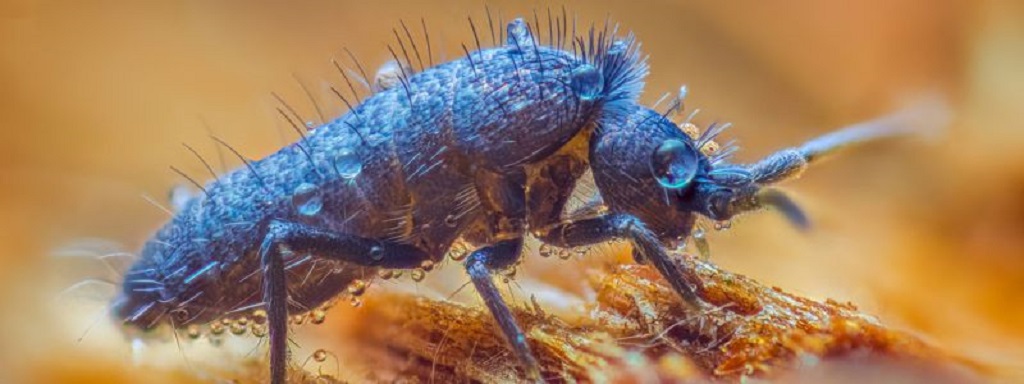
Springtails are tiny hexapods, usually measuring up to 6 mm in length. They are round and have a distinct ability to jump significant heights compared to their size. They come in various colors, including white, gray, and black, and are often mistaken for fleas due to their appearance.
Common Fallacies
Springtails, also known as snow fleas, may be small in size, but they often give rise to big misconceptions. People tend to have numerous myths and misconceptions about what these curious creatures look like. It’s time to debunk these fallacies and shed light on the truth. One common fallacy about springtails is that they are fleas. However, this is far from accurate. While they may be called snow fleas due to their jumping abilities, they are not fleas at all. Fleas belong to a different insect family altogether.
Clarifying Misunderstandings
Let’s clear up some more misunderstandings about springtails. Contrary to popular belief, springtails are not harmful to humans. These tiny creatures might startle you when they suddenly appear in large numbers, but rest assured that they pose no threat to your well-being. Springtails are harmless and do not bite, sting, or transmit diseases to humans. Another widespread misconception is that springtails can infest homes and cause damage.
However, this is not entirely true. While they may occasionally find their way inside, especially during periods of high moisture, it does not mean they are infesting your home. Springtails are attracted to damp environments and decaying matter, and their presence should be seen as a sign of excess moisture rather than an infestation.
Conclusion
In conclusion, it’s important to separate fact from fiction when it comes to springtails. They may be small and often mistaken for other pests, but they are harmless to humans and do not cause any significant damage. By debunking these myths and clarifying misconceptions, we can foster a better understanding and appreciation for these intriguing creatures.
Frequently Asked Questions On What Do Springtails Look Like To The Human Eye
What Do Springtails Look Like To The Human Eye?
Springtails are tiny, wingless insects that measure only a few millimeters in length. They have a unique spring-like structure on their abdomen, which allows them to jump several inches into the air. Springtails are usually pale in color but can range from white to gray or even metallic blue.
Due to their small size and fast movement, they may appear as specks or flecks when viewed with the naked eye.
Are Springtails Harmful To Humans?
No, springtails are not harmful to humans. They do not bite, sting, or transmit any diseases. Springtails are beneficial to the environment as they help with the decomposition of organic matter and contribute to soil fertility. While they may occasionally become a nuisance indoors, they pose no threat to human health.
Where Can Springtails Be Found?
Springtails can be found in a variety of habitats, including soil, leaf litter, decaying vegetation, and even inside homes. They thrive in moist environments and are often attracted to areas with high humidity or water sources. Springtails are commonly found outdoors in gardens, basements, bathrooms, and kitchens.
They can also be found in potted plants or areas with excessive moisture.
How Can I Prevent Springtails From Entering My Home?
To prevent springtails from entering your home, it is important to address any moisture issues. Repair any leaks, ensure proper ventilation, and use dehumidifiers to reduce excess moisture. Keep your home clean and free of debris, as springtails are attracted to organic matter.
Seal any cracks or openings where springtails may enter, and consider using barriers such as screens or weather stripping.
Conclusion
Springtails are tiny hexapods that vary in color and size, blending into their surroundings. They have unique features like their furcula, allowing them to spring into the air when threatened. Alopecia is a medical condition characterized by hair loss, and understanding its appearance can help identify and manage these little critters in our environment, enabling effective strategies for coping with its impact on individuals.
Keep an eye out for these elusive creatures!