
There’s nothing quite like the aroma of a freshly brewed cup of coffee to kickstart your day. But beyond its invigorating scent and bold flavor, coffee has become a topic of interest in the world of fitness and nutrition. You’ve probably heard contrasting opinions about whether coffee can aid in weight loss or lead to weight gain. In this article, we’ll delve into the various aspects of coffee’s impact on our bodies and explore whether it’s a friend or foe on your journey towards a healthier weight. This content is presented by Natural-lotion.com.
The Metabolism Booster: Coffee and Weight Loss
Understanding the Role of Caffeine
Caffeine, a natural stimulant found abundantly in coffee, has been studied for its potential effects on metabolism. It acts by increasing the release of adrenaline, a hormone that triggers the body’s “fight or flight” response. This process revs up the metabolic rate, leading to a temporary increase in calorie burning. So, does coffee make you fat?
Enhanced Physical Performance
Coffee consumption is often associated with improved physical performance. The caffeine in coffee can enhance endurance and provide a short-term energy boost. This can be particularly beneficial for individuals engaging in regular exercise, potentially contributing to higher calorie expenditure and aiding weight loss efforts.
Appetite Suppression
Caffeine may also have appetite-suppressing effects. It can temporarily reduce feelings of hunger, which might lead to decreased calorie intake. However, relying solely on coffee for appetite control isn’t a sustainable strategy and may result in nutrient deficiencies.
The Calorie Conundrum: Coffee and Weight Gain
Creamy Concoctions and Caloric Intake
While plain black coffee is low in calories, the story changes when you add cream, sugar, or flavored syrups. These additions can turn a calorie-free beverage into a high-calorie treat. Those fancy coffee shop drinks might taste delightful, but they can contribute to excessive calorie consumption and potential weight gain.
Cortisol and Stress
Coffee consumption can stimulate the release of cortisol, often referred to as the “stress hormone.” Elevated cortisol levels can lead to increased fat storage, especially around the abdominal area. Chronic stress and high cortisol levels are associated with weight gain over time.
Disrupted Sleep Patterns
Poor sleep is linked to weight gain, and excessive coffee intake, especially later in the day, can disrupt sleep patterns. Sleep deprivation interferes with hormones that regulate appetite, potentially leading to overeating and weight gain.
Finding the Balance: Coffee as a Tool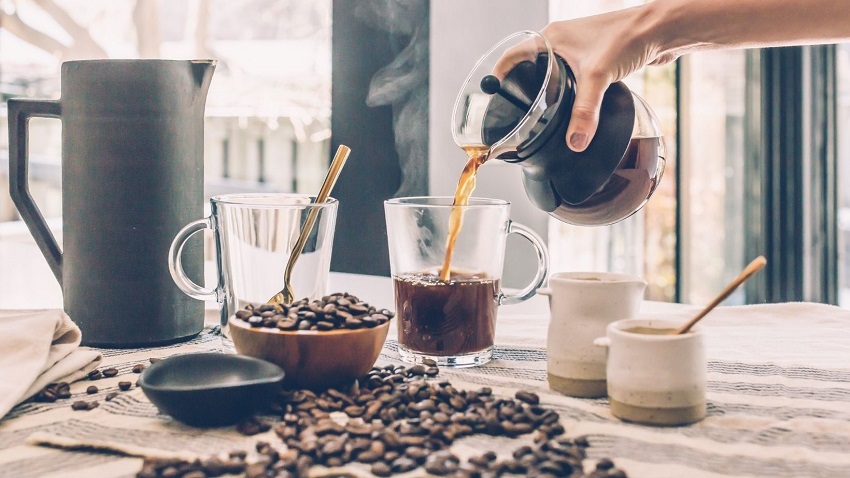
Like many things in life, the key lies in moderation. Coffee, when consumed mindfully, can offer both short-term benefits and potential drawbacks. Here are a few tips to make the most of your coffee consumption:
- Opt for Black Coffee: If you enjoy coffee for its taste and metabolism-boosting effects, stick to plain black coffee without added sugars or cream.
- Mind the Timing: Limit your coffee intake in the afternoon to avoid sleep disturbances.
- Pair with a Balanced Diet: Coffee should complement a well-rounded diet rich in nutrients.
- Stay Hydrated: Balance coffee consumption with water to prevent dehydration.
Conclusion
So, is coffee a friend on your weight loss journey, or does it tip the scales towards weight gain? The answer isn’t black and white. Coffee, with its caffeine content and potential metabolic benefits, can be a helpful tool in supporting weight loss efforts. However, it’s crucial to be mindful of how you enjoy your coffee and to avoid excessive consumption, especially when accompanied by high-calorie additives. Like any aspect of a healthy lifestyle, moderation and balance are key.
FAQs
Q1: How much coffee is safe to consume daily?
A1: Generally, consuming 3-4 cups of coffee per day is considered safe for most adults.
Q2: Can I rely solely on coffee to lose weight?
A2: No, coffee should be part of a balanced diet and healthy lifestyle, including regular exercise and proper nutrition.
Q3: Will drinking coffee before a workout enhance my performance? A3:
Yes, the caffeine in coffee can provide a temporary energy boost and improve endurance.
Q4: Does decaffeinated coffee offer the same benefits as regular coffee?
A4: While decaffeinated coffee lacks the same caffeine-related benefits, it still contains antioxidants that offer health advantages.
Q5: Can I replace water with coffee for hydration?
A5: It’s not recommended. Water is essential for hydration, and excessive coffee consumption can lead to dehydration.