Dynamic standing balance, an often-overlooked facet of physical fitness, plays a critical role in our daily lives. It’s not just about standing still; it’s about the ability to maintain stability while moving, adapting to shifting terrains, and reacting to unexpected disturbances. This intricate skill underpins everything from walking and running to complex athletic movements and even simple tasks like reaching for an item on a high shelf. In an age where sedentary lifestyles are increasingly prevalent, understanding and enhancing dynamic standing balance is more crucial than ever for maintaining independence, preventing falls, and fostering overall well-being.
The Foundation of Movement: Understanding Dynamic Standing Balance
At its core, dynamic standing balance involves a complex interplay between the vestibular system (inner ear), proprioceptive system (sensory receptors in muscles and joints), and visual system. These systems work in harmony to provide the brain with constant feedback about our body’s position and movement in space. When we move, these systems rapidly process information and initiate corrective actions to maintain equilibrium. This intricate dance of neural pathways and muscular responses allows us to navigate the world with confidence and stability.
Unlike static balance, which focuses on maintaining posture in a stationary position, dynamic balance requires constant adjustments. Imagine walking on a rocky beach, playing a sport that demands quick changes in direction, or simply trying to catch a bus. Each of these activities requires the ability to shift weight, react to external forces, and maintain stability while in motion. This ability is dynamic standing balance.
The importance of this skill extends far beyond athletic performance. As we age, our balance systems naturally decline, increasing the risk of falls and injuries. Furthermore, conditions like neurological disorders, inner ear problems, and musculoskeletal issues can further compromise dynamic balance. Even everyday activities, such as navigating crowded spaces or carrying heavy objects, become more challenging when dynamic balance is impaired.
Cultivating Stability: Practical Strategies and Exercises
Fortunately, dynamic standing balance is a skill that can be improved through targeted exercises and lifestyle adjustments. Incorporating balance-focused activities into your routine can significantly enhance stability and reduce the risk of falls and injuries.
Tai Chi and Yoga:
These ancient practices emphasize slow, controlled movements and mindful awareness of body position. They promote balance, flexibility, and strength, all of which contribute to improved dynamic stability. Specific poses, such as the tree pose (Vrksasana) in yoga or the single-leg stance in Tai Chi, challenge the balance systems and encourage adaptation.
Balance Boards and Wobble Boards:
These tools provide an unstable surface that forces the body to make constant adjustments to maintain equilibrium. Regular use of balance boards can improve proprioception, strengthen stabilizing muscles, and enhance dynamic balance.
Agility Drills:
Activities like cone drills, ladder drills, and bounding exercises challenge the body to move quickly and change direction while maintaining balance. These drills are particularly beneficial for athletes and individuals engaged in high-impact activities.
Single-Leg Exercises:
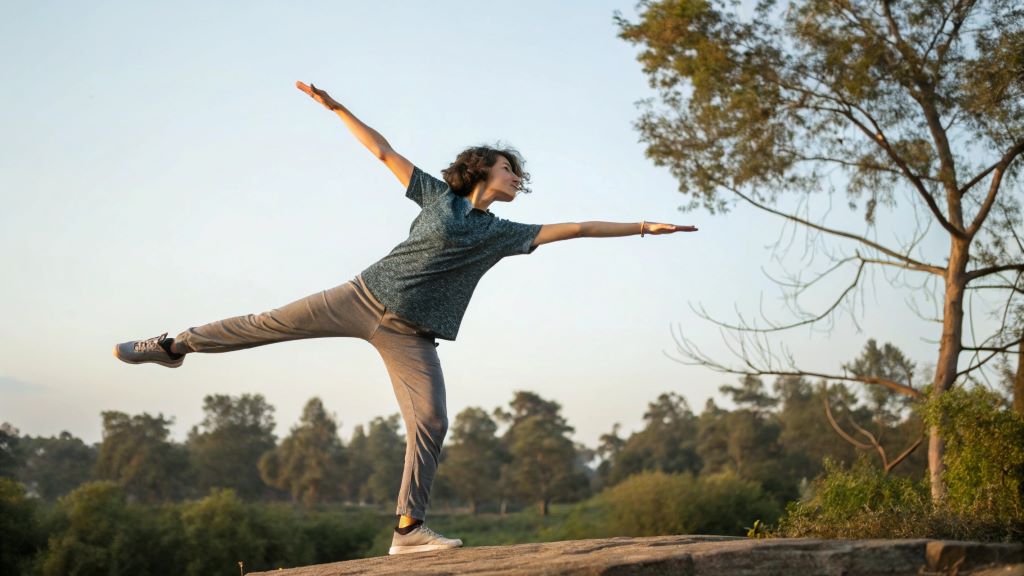
Standing on one leg, with or without variations like closing your eyes or performing arm movements, strengthens the muscles responsible for maintaining balance. Progressing to dynamic single-leg exercises, such as single-leg squats or hops, further enhances stability.
Gait Training:
Incorporating variations in walking patterns, such as walking on uneven surfaces, sideways walking, or backward walking, challenges the balance systems and improves adaptability.
Sensory Integration Exercises:
Activities that engage multiple senses, such as catching a ball while standing on an unstable surface or performing balance exercises with eyes closed, can enhance the integration of sensory information and improve balance.
Strength Training:
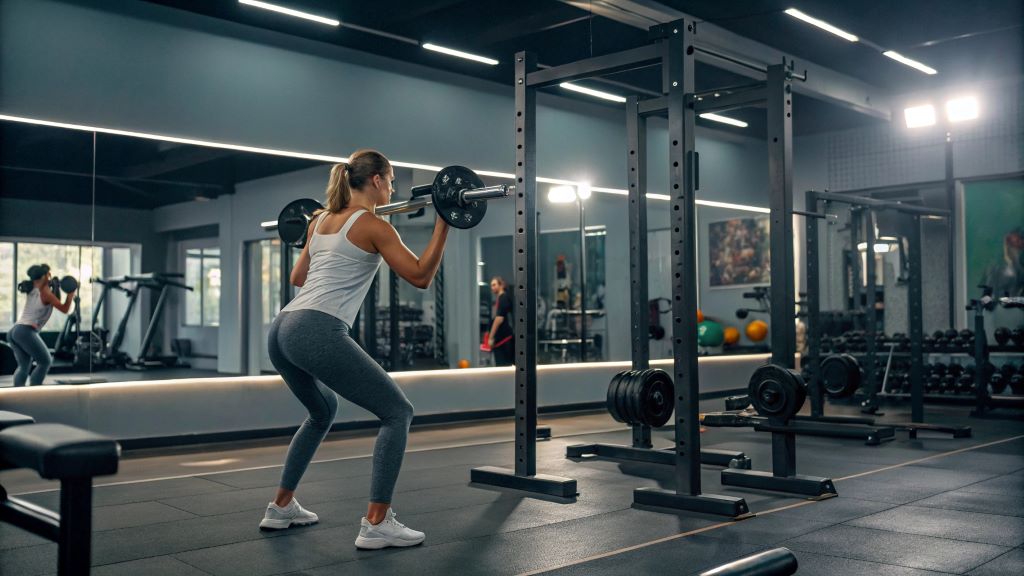
Strong muscles, particularly in the core, legs, and hips, provide a stable foundation for dynamic movement. Exercises like squats, lunges, and planks strengthen these muscles and improve overall balance.
Proprioceptive Training:
This focuses on improving the body’s awareness of its position in space. Using tools like resistance bands, foam rollers, and balance pads can enhance proprioceptive feedback and improve balance.
Environmental Adjustments:
Modifying your environment to reduce fall risks, such as removing tripping hazards, installing grab bars, and ensuring adequate lighting, is essential for maintaining safety, especially for older adults.
The Importance of Consistency and Progression
Like any skill, improving dynamic standing balance requires consistent practice and gradual progression. Start with simple exercises and gradually increase the difficulty as your balance improves. It’s also essential to listen to your body and avoid pushing yourself beyond your limits, especially if you have any underlying health conditions.
Regular assessments of your balance can help track your progress and identify areas for improvement. Consider incorporating functional tests, such as the timed up-and-go test or the Berg Balance Scale, into your routine.
People Also Ask (FAQs)
Q: What are the signs of poor dynamic standing balance?
A: Signs of poor dynamic standing balance can include:
- Frequent falls or near-falls
- Difficulty walking on uneven surfaces
- Unsteadiness when changing directions
- Difficulty performing tasks that require shifting weight
- Feeling dizzy or lightheaded during movement
- Reduced confidence in movement
Q: Can dynamic standing balance improve with age?
A: Yes, dynamic standing balance can improve with age through consistent exercise and targeted training. While age-related decline in balance is natural, it’s not inevitable. Regular physical activity, particularly exercises that challenge balance, can significantly enhance stability and reduce the risk of falls.
Q: What medical conditions can affect dynamic standing balance?
A: Several medical conditions can affect dynamic standing balance, including:
- Inner ear disorders (e.g., vestibular neuritis, Meniere’s disease)
- Neurological conditions (e.g., Parkinson’s disease, multiple sclerosis)
- Musculoskeletal problems (e.g., arthritis, muscle weakness)
- Cardiovascular issues (e.g., low blood pressure)
- Certain medications
Q: How often should I practice balance exercises?
A: Ideally, balance exercises should be incorporated into your routine several times a week. Aim for at least 15-30 minutes of balance training, 2-3 times per week. Consistency is key to improving and maintaining dynamic standing balance.
Q: Are there any specific exercises for older adults to improve balance?
A: Yes, several exercises are particularly beneficial for older adults, including:
- Tai Chi and yoga
- Single-leg stance with support
- Heel-to-toe walking
- Chair stands
- Weight shifting exercises
Q: Can poor vision affect dynamic standing balance?
A: Yes, poor vision can significantly affect dynamic standing balance. The visual system plays a crucial role in providing the brain with information about body position and movement. Correcting vision problems and ensuring adequate lighting can help improve balance.
Q: What role does diet play in maintaining good balance?
A: A balanced diet rich in essential nutrients supports overall health, including the health of the balance systems. Adequate intake of vitamin D, calcium, and magnesium is particularly important for maintaining bone health and muscle function, which contribute to good balance.
Q: When should I seek professional help for balance problems?
A: You should seek professional help if you experience:
- Frequent falls or near-falls
- Persistent dizziness or vertigo
- Difficulty walking or maintaining balance
- Any sudden changes in balance
A doctor or physical therapist can evaluate your balance and recommend appropriate interventions.
Conclusion: Embracing Movement for a Stable Future
Dynamic standing balance is a fundamental skill that underpins our ability to move confidently and safely through the world. By understanding the intricate mechanisms involved and incorporating targeted exercises into our routines, we can enhance stability, reduce the risk of falls, and maintain independence throughout our lives. Prioritizing dynamic balance is an investment in our long-term health and well-being, allowing us to embrace movement and navigate life with greater confidence and vitality.
Read More:
How to Get Into Working Out: A Beginner’s Guide to a Healthier Lifestyle