Willpower plays a critical role in shaping our dietary choices. The role of willpower in dietary choices is essential as it helps us resist unhealthy temptations and stick to nutritious eating habits. However, relying solely on willpower can be challenging. According to a 2024 study by the American Psychological Association, 70% of people struggle with maintaining healthy diets due to limited willpower. This blog explores how willpower influences dietary decisions, backed by research, and provides actionable tips to strengthen it.
What is Willpower and Why Does It Matter?
Willpower is the ability to control impulses and make decisions aligned with long-term goals. In the context of diet, it helps you choose a salad over a burger or resist late-night snacking. However, willpower is a finite resource. Research from Stanford University shows that willpower diminishes with overuse, leading to decision fatigue.
Understanding this concept is crucial. When you know willpower has limits, you can plan strategies to conserve it. For example, meal prepping reduces daily decision-making, saving willpower for other tasks.
The Science Behind Willpower and Diet
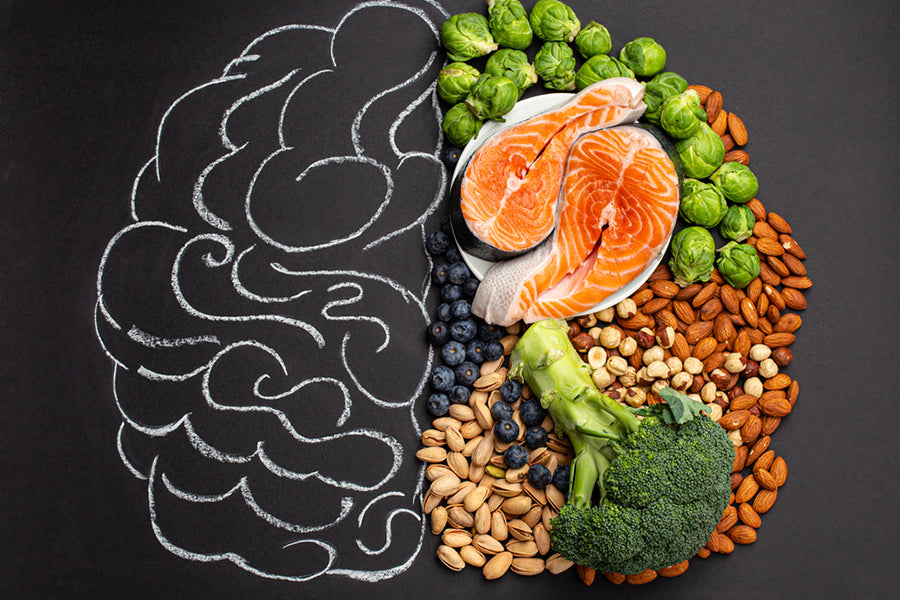
Willpower is rooted in the prefrontal cortex, the brain region responsible for self-control. A 2024 study published in Nature Neuroscience found that stress and lack of sleep impair this area, reducing willpower. Additionally, glucose levels impact self-control. Low blood sugar can weaken your ability to resist cravings.
Interestingly, willpower can be strengthened like a muscle. A study by the University of Pennsylvania revealed that practicing small acts of self-control, such as maintaining good posture, can enhance overall willpower.
Common Challenges in Using Willpower for Diet
Despite its importance, relying on willpower alone is not enough. External factors like environment, social pressure, and emotional states often undermine it. For instance, a 2024 survey by the International Food Information Council found that 60% of people overeat when stressed.
Moreover, the abundance of unhealthy food options makes it harder to resist temptations. Supermarkets and restaurants often place high-calorie foods in prominent positions, exploiting our weakened willpower.
How to Strengthen Willpower for Better Dietary Choices
Strengthening willpower requires a combination of mental and practical strategies. Here are some actionable tips:
- Set Clear Goals: Define specific, achievable dietary goals. For example, aim to eat five servings of vegetables daily.
- Create a Supportive Environment: Remove unhealthy snacks from your home and stock up on nutritious options.
- Practice Mindfulness: Mindfulness techniques, such as meditation, can improve self-control and reduce impulsive eating.
- Get Enough Sleep: Aim for 7–9 hours of sleep nightly to keep your prefrontal cortex functioning optimally.
- Start Small: Build willpower gradually by making small changes, like drinking water instead of soda.
The Role of Habits in Reducing Willpower Dependency
Habits reduce the need for constant willpower. Once a behavior becomes automatic, like choosing fruit for dessert, it requires less mental effort. According to a 2024 study in Health Psychology Review, forming a habit takes an average of 66 days.
To build healthy eating habits, focus on consistency. For example, eat breakfast at the same time daily or pack a lunch instead of buying fast food. Over time, these actions become second nature.
How to Handle Willpower Failures
Even with strong willpower, slip-ups happen. Instead of feeling guilty, view them as learning opportunities. A 2024 report by the Harvard School of Public Health suggests that self-compassion improves dietary adherence.
When you overindulge, reflect on what triggered the behavior. Was it stress, boredom, or social pressure? Identifying triggers helps you prepare better for future challenges.
The Connection Between Willpower and Emotional Eating

Emotional eating often undermines willpower. Many people turn to food for comfort during stress or sadness. A 2024 study by the University of California found that 40% of adults engage in emotional eating at least once a week.
To combat this, develop alternative coping mechanisms. For example, go for a walk, call a friend, or practice deep breathing when emotions arise.
Practical Tools to Boost Willpower
Several tools can help you maintain willpower:
- Meal Planning: Plan your meals weekly to avoid impulsive choices.
- Accountability Partners: Share your goals with a friend or join a support group.
- Food Journals: Track what you eat to identify patterns and areas for improvement.
- Healthy Snacks: Keep nuts, fruits, or yogurt handy to curb cravings.
The Long-Term Benefits of Strong Willpower
Strengthening willpower has lasting benefits. It not only improves dietary choices but also enhances other areas of life, like productivity and relationships. A 2024 study by the University of Chicago found that people with strong willpower report higher life satisfaction.
Moreover, healthy eating reduces the risk of chronic diseases like diabetes and heart disease. According to the World Health Organization, poor diet contributes to 11 million deaths annually.
Conclusion
Willpower is a powerful tool for making better dietary choices, but it’s not infallible. By understanding its limitations and implementing practical strategies, you can strengthen your self-control and build healthier habits. Remember, small, consistent changes lead to lasting results.
What strategies do you use to strengthen your willpower? Share your thoughts in the comments below or explore our related articles on healthy eating habits.
FAQs
How long does it take to build willpower?
Building willpower is a gradual process. Research suggests that consistent practice over several weeks can lead to noticeable improvements.
Can willpower be depleted?
Yes, willpower is a finite resource. Overuse, stress, and lack of sleep can deplete it, making self-control more challenging.
What foods boost willpower?
Foods rich in complex carbohydrates, protein, and healthy fats, like whole grains, nuts, and lean meats, help maintain stable blood sugar levels, supporting willpower.
How does stress affect willpower?
Stress impairs the prefrontal cortex, reducing willpower. Managing stress through relaxation techniques can help preserve self-control.
Is willpower enough to maintain a healthy diet?
While willpower is important, it’s not enough on its own. Creating a supportive environment and building healthy habits are equally crucial.
Read More:
What Are the 7 Natural Food Groups?
Is Brown Pasta a Carb? Unveiling the Truth Behind the Healthy Alternative