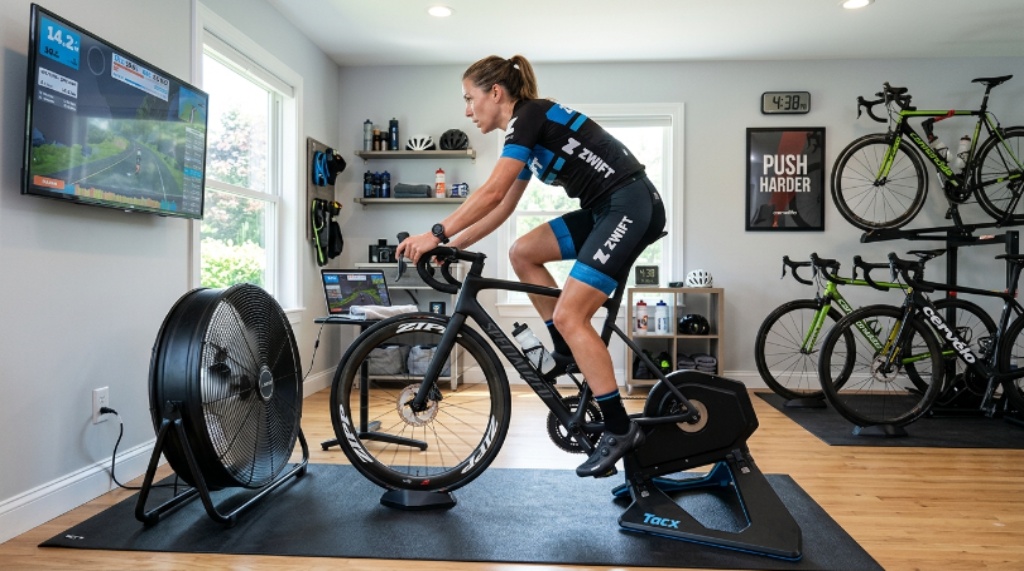
Knee pain refers to discomfort, aching, or soreness in or around the knee joint. This joint connects your thighbone to your shinbone and plays a crucial role in daily movement.
Your knee bears significant weight with every step you take. It bends, straightens, and rotates to help you walk, run, jump, and climb. When something goes wrong, even simple tasks become challenging.
Millions of people experience knee discomfort each year. The condition affects people of all ages—from athletes dealing with sports injuries to older adults facing wear-and-tear damage. Some cases resolve quickly with rest, while others require medical attention.
Understanding your knee pain helps you make informed decisions about treatment. Recognizing warning signs early can prevent minor issues from becoming serious problems. Whether your discomfort started suddenly or developed gradually, knowing the underlying cause is the first step toward relief.
This guide breaks down everything you need to know about knee pain. We’ll explore common causes, identify key symptoms, and discuss proven treatment options.
What Are the Most Common Causes of Knee Pain?
Knee pain stems from various sources. Identifying the cause helps determine the right treatment approach.
Injuries
Sudden trauma frequently damages knee structures. An awkward landing, direct blow, or quick twisting motion can tear ligaments. The anterior cruciate ligament (ACL) and medial collateral ligament (MCL) are particularly vulnerable during sports activities.
Meniscus tears happen when the cushioning cartilage between your bones rips. This often occurs during movements that forcefully rotate the knee while bearing weight. Athletes in contact sports face higher risk, but anyone can experience this injury.
Fractures involve broken bones around the knee joint. The kneecap (patella) can crack during falls or car accidents. People with weakened bones from osteoporosis are more susceptible to fractures from minor incidents.
Mechanical Problems
Sometimes the knee simply doesn’t function properly. A loose body occurs when bone or cartilage breaks off and floats in the joint space. This fragment can interfere with movement and cause the knee to lock up.
Iliotibial band syndrome affects runners and cyclists frequently. The tough tissue running from your hip to shin becomes tight and rubs against the outer knee bone. This friction creates pain on the outside of the knee.
Dislocated kneecaps happen when the triangular bone slides out of position. This painful condition often results from a sudden direction change or direct impact.
Arthritis Types
Osteoarthritis ranks as the most widespread form. Years of use gradually wear down the protective cartilage. The bones eventually rub together, causing pain and stiffness. People over 50 experience this most often.
Rheumatoid arthritis is an autoimmune condition. Your immune system mistakenly attacks the knee lining, creating inflammation. This type can affect multiple joints simultaneously and often strikes both knees.
Post-traumatic arthritis develops after a knee injury. Even after the initial damage heals, arthritis can emerge years later. Previous fractures or ligament tears increase this risk.
Gout causes sudden, severe pain attacks. Uric acid crystals accumulate in the joint, triggering intense inflammation. The knee becomes red, hot, and extremely tender.
Other Contributing Factors
Excess body weight increases stress on knee joints. Each extra pound adds roughly four pounds of pressure during walking. This accelerates cartilage breakdown over time.
Weak muscles fail to properly support the knee. When the quadriceps and hamstrings lack strength, the joint absorbs more impact. This leads to instability and increased injury risk.
Previous injuries create lasting vulnerability. Once damaged, the knee becomes more susceptible to future problems. Incomplete rehabilitation after injury compounds this risk.
How Can You Recognize Knee Pain Symptoms?
Symptoms vary depending on what’s causing the problem. Paying attention to specific signs helps pinpoint the issue.
Common Symptom Patterns
Swelling often appears within hours of injury. The knee may look puffy and feel tight. Chronic conditions cause gradual swelling that worsens after activity.
Stiffness makes bending or straightening difficult. You might notice this most in the morning or after sitting for extended periods. The knee feels like it needs to “warm up” before moving freely.
Redness and warmth suggest inflammation. The skin around your knee may feel hot to touch. These signs often accompany infection or inflammatory arthritis.
Weakness creates instability. Your knee might feel like it will “give out” during movement. This sensation increases fall risk, especially on stairs or uneven surfaces.
Popping or crunching sounds (crepitus) occur during movement. You might hear or feel these noises when bending or extending the knee. While not always painful, they indicate changes in joint surfaces.
Inability to fully straighten the knee suggests mechanical blockage. Something may be physically preventing normal motion. This requires prompt medical evaluation.
Severity Indicators
Mild pain allows you to continue most activities with minor discomfort. You can usually manage this with rest and home remedies.
Moderate pain interferes with daily tasks. Walking, climbing stairs, or standing becomes challenging. You may need to modify activities to reduce symptoms.
Severe pain prevents normal function. You cannot bear weight on the affected leg. This level demands immediate medical attention.
When Should You See a Doctor for Knee Pain?
Certain symptoms signal the need for professional evaluation. Don’t delay seeking help when you notice these warning signs.
Urgent Medical Situations
Inability to bear weight indicates serious injury. If you cannot stand or walk on the affected leg, get evaluated promptly. This may indicate a fracture or complete ligament tear.
Visible deformity suggests dislocation or fracture. If your knee looks misshapen or out of place, seek emergency care. Do not attempt to realign it yourself.
Intense swelling that develops rapidly points to significant internal damage. When the knee balloons within hours, serious bleeding or injury may be present.
Fever combined with knee pain might indicate infection. A hot, red, painful knee with elevated body temperature requires immediate medical attention. Joint infections can cause permanent damage if untreated.
Schedule an Appointment If
Pain persists beyond a few days despite home treatment. If rest, ice, and over-the-counter medication don’t help, consult a healthcare provider.
Symptoms interfere with daily activities regularly. When knee pain limits work, exercise, or household tasks, professional guidance can help.
The knee locks or catches during movement. This mechanical symptom often requires specific treatment to resolve.
Previous knee injuries cause recurring problems. A specialist can assess for ongoing structural issues or arthritis development.
What Diagnostic Tests Help Identify the Problem?
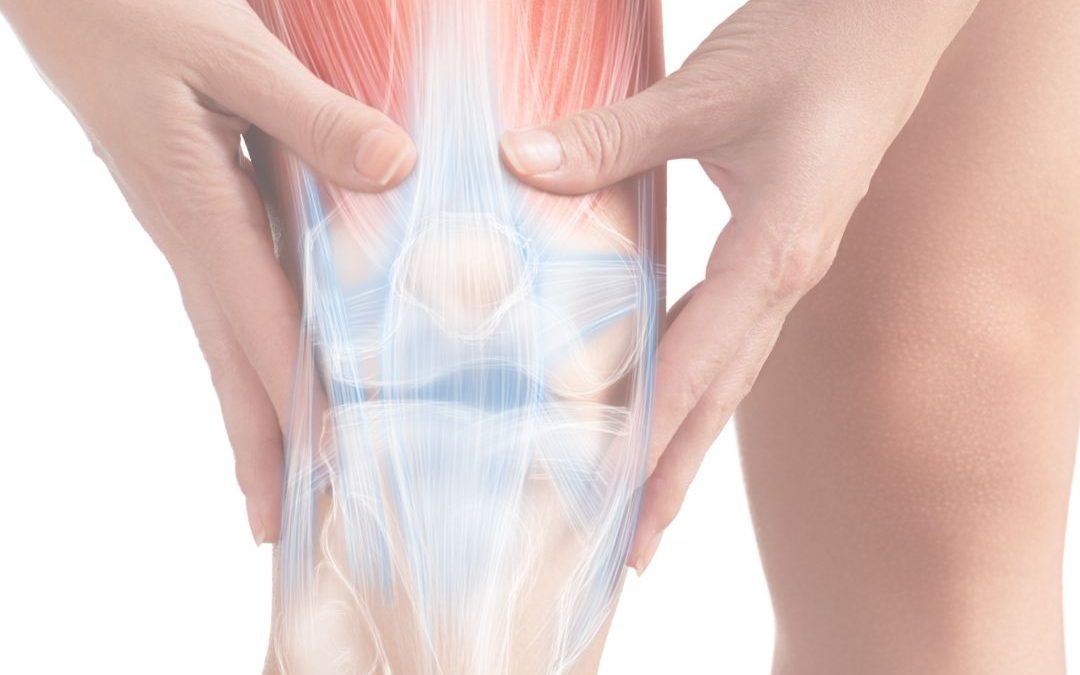
Healthcare providers use various methods to determine what’s causing your knee pain.
Physical Examination
Your doctor will inspect the knee for visible swelling, bruising, or deformity. They’ll feel for warmth, tenderness, and assess range of motion. Specific maneuvers test ligament stability and meniscus integrity.
Imaging Studies
X-rays reveal bone problems. These images show fractures, arthritis changes, and bone alignment issues. They’re often the first imaging test ordered.
MRI scans provide detailed views of soft tissues. This technology clearly shows ligaments, tendons, cartilage, and muscles. MRI helps diagnose tears, inflammation, and subtle injuries that X-rays miss.
CT scans combine X-ray images from multiple angles. They create cross-sectional views useful for complex fractures and bone details.
Ultrasound uses sound waves to visualize soft tissues. It’s particularly helpful for examining tendons and detecting fluid accumulation.
Laboratory Tests
Blood tests check for infection, gout, or rheumatoid arthritis markers. These help identify systemic conditions affecting the knee.
Joint fluid analysis involves removing a small sample from the knee. Laboratory examination can detect infection, crystals (indicating gout), or other abnormalities.
What Treatment Options Are Available for Knee Pain?
Treatment depends on the underlying cause, severity, and your overall health. Most cases improve with conservative approaches.
Self-Care Measures
Rest reduces stress on the injured tissue. Avoid activities that worsen pain, but don’t become completely inactive. Gentle movement prevents stiffness.
Ice application decreases inflammation and numbs discomfort. Apply cold packs for 15-20 minutes several times daily, especially after activity. Always place a cloth between ice and skin.
Compression with an elastic bandage controls swelling. Wrap snugly but not tight enough to restrict blood flow. Numbness or increased pain signals excessive compression.
Elevation helps fluid drain from the knee. Prop your leg above heart level when resting. This simple technique significantly reduces swelling.
Medications
Over-the-counter pain relievers provide symptom relief. Acetaminophen helps with mild to moderate pain. Nonsteroidal anti-inflammatory drugs (NSAIDs) like ibuprofen reduce both pain and inflammation.
Topical treatments include creams, gels, or patches applied directly to the knee. These work well for localized pain with fewer systemic side effects.
Prescription medications may be necessary for severe cases. Stronger pain relievers, muscle relaxants, or medications targeting specific conditions help when over-the-counter options fail.
Physical Therapy
Targeted exercises strengthen muscles supporting the knee. Stronger quadriceps and hamstrings improve joint stability and reduce pain. Flexibility exercises maintain or restore normal range of motion.
Manual therapy techniques performed by therapists reduce stiffness. Massage, joint mobilization, and stretching complement exercise programs.
Gait training corrects walking patterns that stress the knee. Proper mechanics distribute forces more evenly and prevent additional injury.
Injections
Corticosteroid injections deliver powerful anti-inflammatory medication directly into the joint. These provide temporary relief lasting weeks to months. Repeated injections may damage cartilage over time.
Hyaluronic acid supplements the natural joint fluid. This treatment aims to improve lubrication and cushioning. Results vary, with some people experiencing significant benefit.
Platelet-rich plasma (PRP) uses concentrated components from your own blood. The theory suggests this promotes healing, though research continues on effectiveness.
Surgical Interventions
Arthroscopic surgery allows surgeons to view and repair internal damage through small incisions. Torn meniscus, loose cartilage fragments, and some ligament injuries can be addressed this way.
Partial knee replacement removes only the damaged portion of the joint. This preserves healthy tissue and typically involves faster recovery than total replacement.
Total knee replacement removes damaged bone and cartilage, replacing them with metal and plastic components. This major surgery is reserved for severe arthritis unresponsive to other treatments.
Osteotomy involves cutting and reshaping bone to shift weight away from the damaged area. This procedure delays the need for joint replacement in younger, active patients.
How Can You Prevent Knee Pain?
While not all knee problems are preventable, several strategies reduce your risk.
Maintain a Healthy Weight
Losing excess pounds dramatically decreases knee stress. Even modest weight loss produces noticeable improvement in symptoms and slows arthritis progression.
Build Muscle Strength
Strong leg muscles protect the knee joint. Focus on quadriceps, hamstrings, and calf exercises. Include balance training to prevent falls and awkward movements.
Choose Activities Wisely
Low-impact exercises like swimming, cycling, and walking put less stress on knees than running or jumping. Mix high-impact activities with gentler options to allow recovery.
Use Proper Technique
Learn correct form for sports and exercise. Poor mechanics increase injury risk. Consider working with a coach or trainer to ensure proper movement patterns.
Wear Appropriate Footwear
Supportive shoes with good cushioning absorb shock and promote proper alignment. Replace athletic shoes regularly as they lose cushioning over time. Avoid high heels for extended periods.
Listen to Your Body
Don’t push through significant pain. Discomfort signals something is wrong. Rest when needed and gradually increase activity intensity.
Conclusion
Taking Control of Your Knee Health
Knee pain affects millions, but understanding the condition empowers you to take action. Whether caused by injury, arthritis, or mechanical issues, most cases respond well to appropriate treatment.
Start with simple measures—rest, ice, and over-the-counter medications often provide relief. Pay attention to your symptoms and recognize when professional help is needed. Early intervention prevents minor problems from becoming chronic conditions.
Remember that prevention plays a crucial role. Maintaining healthy weight, building strength, and choosing appropriate activities protect your knees for the long term. Even small lifestyle changes make a meaningful difference.
Don’t let knee pain limit your life. With proper diagnosis and treatment, most people return to their normal activities. Whether you need conservative care or more advanced interventions, effective solutions exist.
Take the next step toward pain-free movement. If knee discomfort persists or worsens, schedule an appointment with a healthcare provider today. Your knees support you every day—they deserve proper care and attention.
Read More Also: What Are the 7 Natural Food Groups
Frequently Asked Questions About Knee Pain
Can knee pain go away on its own?
Yes, mild knee pain from minor strains or overuse often resolves within a few days to weeks with rest and self-care. However, pain lasting longer than two weeks or worsening symptoms require medical evaluation. Ignoring persistent pain may allow minor issues to develop into serious problems. If you’re unsure about severity, consulting a healthcare provider ensures you’re not missing something important.
Is walking good or bad for knee pain?
Walking can be beneficial for knee pain when done properly. Gentle walking maintains joint flexibility, strengthens supporting muscles, and promotes healing blood flow. However, you should avoid walking through severe pain or when the knee is acutely injured. Start with short distances on level surfaces and gradually increase as tolerated. If walking significantly worsens symptoms, stop and consult a healthcare provider.
What sleeping position is best for knee pain?
Side sleepers should place a pillow between their knees to maintain proper alignment and reduce pressure. Back sleepers benefit from a pillow under the knees to reduce strain. Avoid sleeping with the knee bent for extended periods, as this can cause stiffness. Some people find elevating the affected leg on pillows helps reduce overnight swelling.
Does cold or heat work better for knee pain?
Ice works best for acute injuries and inflammation within the first 48-72 hours. Cold reduces swelling and numbs pain. Heat is more effective for chronic stiffness and muscle tension. Warmth increases blood flow and relaxes tight tissues. Never apply ice or heat directly to skin—always use a protective barrier. Each application should last 15-20 minutes.
Can you exercise with knee pain?
Yes, but choose activities carefully. Low-impact exercises like swimming, water aerobics, and cycling place less stress on knees while maintaining fitness. Avoid high-impact activities like running or jumping until pain resolves. Strengthening exercises targeting the muscles around the knee actually help reduce pain over time. Always listen to your body—pain that increases during or after exercise signals the need to modify your routine.
How long does knee pain typically last?
Duration varies widely based on the cause. Minor strains may resolve in days, while moderate injuries can take several weeks. Arthritis pain is ongoing but can be managed effectively. Surgical recovery ranges from weeks to months depending on the procedure. Factors affecting healing time include injury severity, age, overall health, and adherence to treatment recommendations.
Are knee braces helpful for pain?
Knee braces can provide support and pain relief in certain situations. They help stabilize injured ligaments, reduce strain on arthritic joints, and improve confidence during activity. However, braces aren’t appropriate for all conditions. Relying too heavily on a brace without strengthening exercises may cause muscle weakness. Consult a healthcare provider to determine if a brace would benefit your specific condition and which type is most appropriate.