Kitchens create tons of waste daily. Single-use plastics, paper towels, and food scraps pile up fast. A zero-waste kitchen reduces this mess. It uses reusable, sustainable products to cut waste and save money. You don’t need to overhaul your life. Small swaps make a big difference. This article shares practical, budget-friendly zero-waste kitchen swaps. Each swap saves cash while helping the planet. Ready to start? Let’s dive in.
Why Go Zero-Waste in the Kitchen?
Kitchens generate lots of household waste. Food packaging, plastic bags, and disposable plates add up. Landfill waste harms the environment. It increases greenhouse gases and your carbon footprint. Zero-waste swaps reduce this impact. They also save money over time. Reusable products replace disposables you buy repeatedly. Sustainable living feels good and cuts costs. Plus, it’s easier than you think.
Top Zero-Waste Kitchen Swaps to Save Money
Here are practical swaps to make your kitchen eco-friendly. Each one is simple and budget-friendly.
Swap Plastic Wrap for Beeswax Wraps
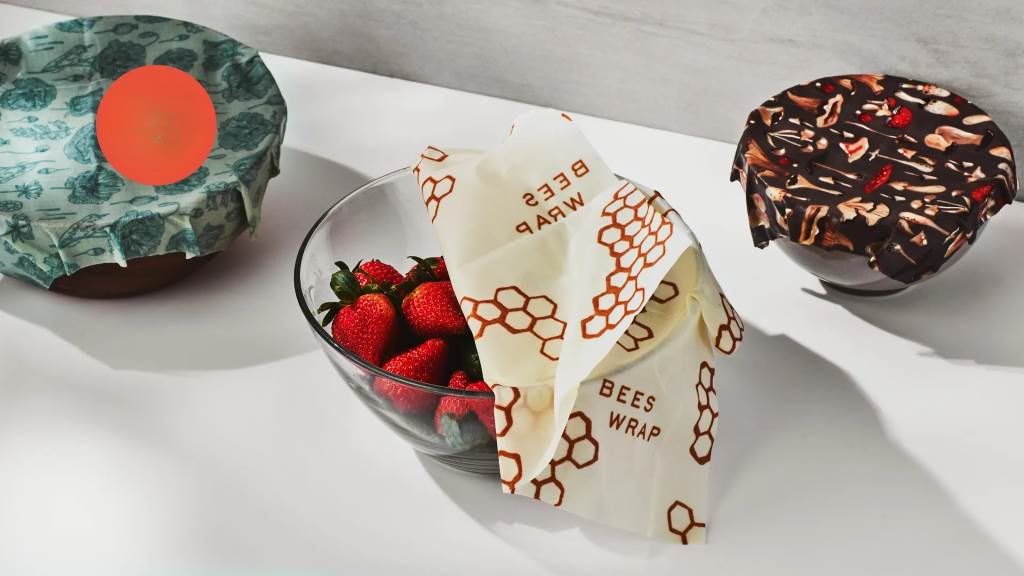
Plastic wrap is single-use and wasteful. Beeswax wraps are reusable and eco-friendly. They cover bowls, wrap food, and last for years. Meli’s beeswax wraps are a popular choice. They use natural ingredients and cling well. Wash them with cold water and soap. They replace hundreds of plastic wrap rolls.
- Cost Savings: One beeswax wrap set ($15–$20) lasts over a year. Plastic wrap costs $10–$15 yearly.
- Eco-Benefit: Reduces plastic waste in landfills.
Use Reusable Cloth Napkins
Paper napkins are convenient but pricey over time. Reusable cloth napkins are sustainable and stylish. Organic cotton or FSC-certified birch wood napkins work great. They wash easily and last for years.
- Cost Savings: A $20 set of cloth napkins lasts 5+ years. Paper napkins cost $30–$50 yearly.
- Eco-Benefit: Cuts paper waste and deforestation.
Switch to Glass Containers or Mason Jars
Plastic containers often break or stain. Glass containers, like Pyrex glass or mason jars, are durable. They store leftovers, bulk foods, or pantry items. Glass or stainless steel containers are safe for food storage.
- Cost Savings: A $30 glass container set lasts decades. Plastic containers cost $20–$30 yearly.
- Eco-Benefit: Reduces plastic packaging and microplastics.
Try Reusable Produce Bags
Plastic produce bags clog landfills. Reusable produce bags, like Lotus Trolley Bags or Baggu bags, are washable. They hold fruits, veggies, or bulk bins like grains. Organic cotton bags are lightweight and durable.
- Cost Savings: A $15 set lasts years. Plastic bags (free at stores) still cost the environment.
- Eco-Benefit: Lowers plastic waste and encourages bulk buying.
Use a Solid Dish Soap Bar
Liquid dish soap comes in plastic bottles. A solid dish soap bar, like Meliora Dish Soap or DISH BLOCK®, lasts longer. It cleans dishes without chemical-heavy ingredients. Pair it with a compostable dish scrub or natural loofah dish sponge.
- Cost Savings: A $10 bar lasts 3–6 months. Liquid soap costs $15–$20 yearly.
- Eco-Benefit: Cuts plastic packaging and chemical runoff.
Invest in a Countertop Compost Bin
Food scraps make up much of kitchen waste. A countertop compost bin or kitchen compost bin collects scraps. Certified compostable bags line the bin for easy cleanup. Composting reduces landfill waste and creates rich soil.
- Cost Savings: A $25 bin lasts years. Compost saves $50+ on store-bought soil.
- Eco-Benefit: Lowers food waste and greenhouse gases.
Switch to Reusable Paper Towels
Paper towels are expensive and wasteful. Reusable paper towels or unpaper towels are washable. They handle spills, cleaning, or drying dishes. Look for FSC-certified birch wood or organic cotton options.
- Cost Savings: A $20 set lasts 2–3 years. Paper towels cost $40–$60 yearly.
- Eco-Benefit: Reduces paper waste and deforestation.
Use a Reusable Water Bottle
Disposable water bottles add to plastic waste. A reusable water bottle, like Klean Kanteen, saves money. It keeps drinks hot or cold for hours. Pair it with a GOpure Pod for purified water.
- Cost Savings: A $25 bottle lasts years. Bottled water costs $100+ yearly.
- Eco-Benefit: Cuts plastic bottle waste significantly.
Try Reusable Silicone Bags
Ziplock bags are single-use and costly. Reusable silicone bags, like Stasher bags or silicone Stasher bags, are durable. They store snacks, leftovers, or freezer items.
- Cost Savings: A $20 set lasts years. Ziplock bags cost $15–$20 yearly.
- Eco-Benefit: Reduces plastic waste in landfills.
Use Bamboo Utensils and Dish Brushes
Plastic utensils and sponges break fast. Bamboo utensils and Redecker’s kitchen brushes are sustainable. A zero-waste dish brush kit or compostable dish scrubs cleans effectively.
- Cost Savings: A $15 set lasts years. Plastic utensils cost $10–$15 yearly.
- Eco-Benefit: Lowers plastic waste and uses renewable materials.
Discover Now:
- What Tools Are Needed for Structured Manicure
- The Power of Positivity: Why a Positive Attitude is Essential in Nursing
- Gatorade Protein Shake: The Ultimate Post-Workout Recovery Guide
Additional Zero-Waste Kitchen Tips
- Buy in Bulk: Use bulk bins to reduce packaging. Bring reusable bags or glass jars.
- Choose Ceramic Cups: Swap disposable coffee cups for ceramic cups. They’re stylish and durable.
- Use a French Press: Skip single-use coffee pods. A French press makes great coffee sustainably.
- Try a Tea Ball: Loose-leaf tea with a tea ball cuts waste from tea bags.
- Use a Silicone Baking Mat: Replace parchment paper with a reusable silicone baking mat.
- Switch to Who Gives a Crap: This brand offers eco-friendly toilet paper and paper towels.
- Try a Compostable Sponge: Replace Scotch Brite sponges with a natural loofah or compostable sponge.
How to Start Your Zero-Waste Kitchen Journey
Starting a zero-waste kitchen feels overwhelming. Break it down into small steps. Follow these tips to ease into it:
- Start Small: Pick one swap, like reusable cloth napkins. Master it before adding more.
- Set a Budget: Zero-waste products cost upfront but save long-term. Plan purchases wisely.
- Learn from Experts: Follow Kathryn Kellogg for zero-waste tips. Her digital workbook is helpful.
- Join a Challenge: Try a Zero Waste Challenge to stay motivated.
- Shop Smart: Look for eco-friendly kitchen products in the natural home section of stores.
The Environmental Impact of Zero-Waste Kitchens
Kitchens contribute to municipal solid waste. Food packaging, disposable products, and plastic waste harm the planet. Zero-waste swaps reduce your environmental footprint. They cut landfill waste and greenhouse gases. For example, composting food scraps lowers methane emissions. Reusable products reduce the need for plastic packaging. Sustainable living starts at home. Your kitchen can lead the way.
Cost Breakdown of Zero-Waste Swaps
Here’s a quick look at long-term savings:
- Beeswax Wraps: $20 upfront, saves $10–$15 yearly.
- Cloth Napkins: $20 upfront, saves $30–$50 yearly.
- Glass Containers: $30 upfront, saves $20–$30 yearly.
- Reusable Produce Bags: $15 upfront, saves on plastic bags.
- Solid Dish Soap Bar: $10 upfront, saves $15–$20 yearly.
Over five years, these swaps save hundreds. They also reduce your carbon footprint.
Common Misconceptions About Zero-Waste Kitchens
Many think zero-waste living is hard or expensive. Let’s clear up some myths:
- Myth: Zero-waste is all-or-nothing.
- Truth: Small swaps count. Start with one change.
- Myth: It’s too costly.
- Truth: Upfront costs lead to long-term savings.
- Myth: It takes too much time.
- Truth: Swaps like reusable bags are quick to adopt.
- Myth: It’s only for eco-warriors.
- Truth: Anyone can make simple changes.
FAQs
What Are the Best Zero-Waste Kitchen Products?
Beeswax wraps, reusable cloth napkins, and glass containers are top choices. They’re durable and save money.
How Do I Start a Zero-Waste Kitchen on a Budget?
Begin with one swap, like reusable produce bags. Buy in bulk to save on packaging.
Are Reusable Silicone Bags Worth It?
Yes, silicone Stasher bags last years. They replace hundreds of plastic bags, saving money.
How Does Composting Reduce Waste?
Composting food scraps cuts landfill waste. It creates soil and lowers greenhouse gas emissions.
Can Zero-Waste Swaps Really Save Money?
Yes, reusable products like cloth napkins and glass jars save hundreds over time.
Start Your Zero-Waste Kitchen Today
A zero-waste kitchen is achievable and budget-friendly. Small swaps like beeswax wraps, cloth napkins, and glass containers save money. They reduce plastic waste and your carbon footprint. Start with one change. See the savings grow. Join the sustainable lifestyle movement. Share your favorite swap in the comments below. Let’s make kitchens greener together!
Try one zero-waste swap this week. Share your experience in the comments. Inspire others to join the zero-waste kitchen movement!
References:
- Zero Waste Kitchen Tips: https://www.goingzerowaste.com
- Sustainable Living Guide: https://www.sustainablejungle.com
- Composting Benefits: https://www.epa.gov/recycle/composting-home
- Eco-Friendly Products: https://www.earthhero.com
- Kathryn Kellogg’s Blog: https://www.goingzerowaste.com/blog