Cold therapy, often referred to as cryotherapy, has gained significant attention in recent years as a natural approach to improving health and well-being. With growing interest in cold therapy benefits , this practice involves exposing the body to low temperatures to stimulate physiological responses that can enhance both physical and mental health. Specifically, cold therapy has shown promising results in reducing inflammation and enhancing mood. This article explores the science behind cold therapy, its benefits for inflammation and mood, practical ways to incorporate it into your routine, and tips for maximizing its effects.
What Is Cold Therapy?
Cold therapy involves deliberately exposing the body to cold temperatures to trigger specific health benefits. Common methods include:
- Cold showers: Brief exposure to cold water during or after a warm shower.
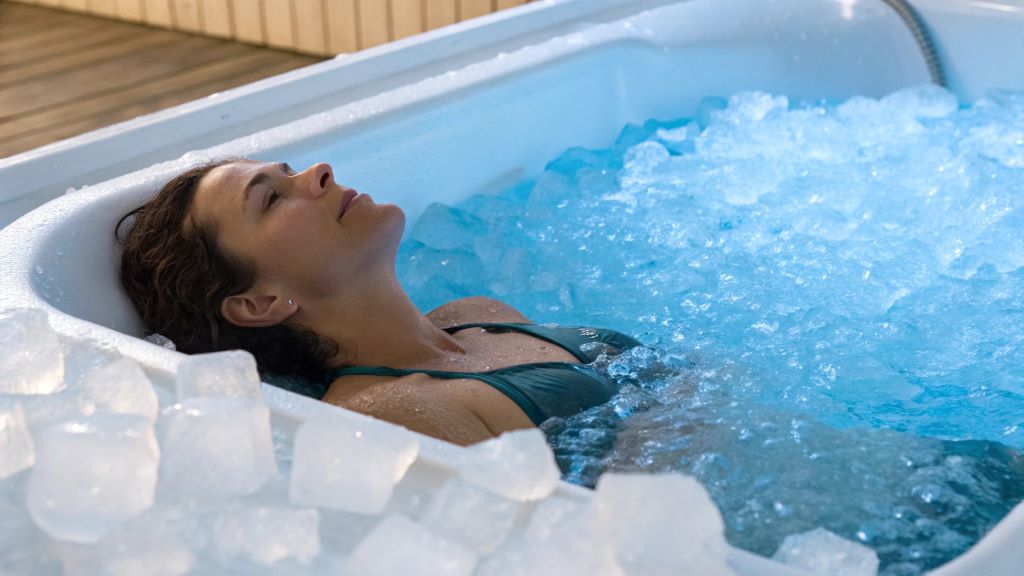
- Ice baths: Submerging the body in ice-cold water, typically for 5–15 minutes.
- Cryotherapy chambers: Standing in a chamber cooled to extremely low temperatures (often -100°C or lower) for 2–4 minutes.
- Localized cold packs: Applying ice packs to specific areas of the body to target inflammation or pain.
The concept of cold therapy isn’t new—it has roots in traditional practices like hydrotherapy and has been used for centuries to treat injuries and promote recovery. Modern science, however, has shed light on why cold therapy is so effective, particularly for reducing inflammation and improving mood.
How Cold Therapy Reduces Inflammation
Inflammation is the body’s natural response to injury, infection, or stress. While acute inflammation is essential for healing, chronic inflammation can contribute to conditions like arthritis, heart disease, and autoimmune disorders. Cold therapy helps manage inflammation through several mechanisms:
-
Constriction of Blood Vessels
When exposed to cold, blood vessels constrict, reducing blood flow to the affected area. This process, known as vasoconstriction, helps limit swelling and inflammation in tissues. For example, athletes often use ice packs after intense workouts to reduce muscle soreness and swelling.
-
Reduction of Metabolic Activity
Cold temperatures slow down cellular metabolism, which reduces the production of inflammatory chemicals like cytokines. This can be particularly beneficial for conditions like rheumatoid arthritis or post-exercise muscle damage.
-
Numbing Pain Receptors
Cold therapy temporarily numbs nerve endings, which can alleviate pain associated with inflammation. This makes it a popular choice for treating acute injuries like sprains or chronic conditions like fibromyalgia.
-
Modulation of Immune Response
Emerging research suggests that cold exposure may regulate the immune system, reducing the overactivity that leads to chronic inflammation. A 2016 study published in The Journal of Physiology found that cold exposure increased levels of anti-inflammatory cytokines while decreasing pro-inflammatory ones, creating a balanced immune response.
By targeting inflammation at multiple levels, cold therapy offers a natural, non-invasive way to manage discomfort and promote recovery.
Cold Therapy and Mood Enhancement
Beyond its physical benefits, cold therapy has a profound impact on mental health. Regular exposure to cold can improve mood, reduce symptoms of depression, and enhance overall emotional resilience. Here’s how:
-
Activation of the Nervous System
Cold exposure activates the sympathetic nervous system, triggering the release of norepinephrine, a neurotransmitter that plays a key role in mood regulation. Norepinephrine boosts alertness, focus, and feelings of well-being, which can counteract symptoms of depression and anxiety.
-
Endorphin Release
Cold therapy stimulates the release of endorphins, the body’s natural “feel-good” chemicals. This creates a sense of euphoria, often described as a “post-cold shower glow.” A 2008 study in Medical Hypotheses suggested that cold showers could serve as a natural antidepressant by increasing endorphin levels.
-
Improved Stress Resilience
Regular cold exposure acts as a form of hormetic stress—a mild stressor that strengthens the body’s resilience over time. By repeatedly exposing yourself to the controlled stress of cold, you train your body and mind to handle other stressors more effectively, reducing anxiety and improving mental clarity.
-
Enhanced Sleep Quality
Cold therapy, particularly when done in the evening, can promote better sleep by lowering core body temperature, a key signal for the body to prepare for rest. Improved sleep is closely linked to better mood and emotional stability.
These mood-boosting effects make cold therapy an appealing option for those seeking natural ways to manage stress, anxiety, or mild depression.
Scientific Evidence Supporting Cold Therapy
The benefits of cold therapy are backed by a growing body of research:
- A 2014 study in PLOS One found that cold exposure increased metabolic rate and reduced inflammation markers in healthy individuals.
- Research published in Frontiers in Physiology (2019) showed that regular cold-water immersion improved recovery times and reduced muscle soreness in athletes.
- A 2020 review in The International Journal of Sports Medicine highlighted cryotherapy’s role in reducing pain and inflammation in chronic conditions like osteoarthritis.
- A small 2017 study in Medical Science Monitor reported that participants who took cold showers for 30 days experienced a significant reduction in depressive symptoms.
While more research is needed to fully understand the long-term effects, these studies provide a strong foundation for cold therapy’s efficacy.
How to Incorporate Cold Therapy into Your Routine
Ready to try cold therapy? Here are some practical ways to get started:
-
Start with Cold Showers
If you’re new to cold therapy, begin with 30-second bursts of cold water at the end of your regular shower. Gradually increase the duration to 2–3 minutes as you become more comfortable. Aim for water temperatures between 50°F (10°C) and 60°F (15°C).
-
Try Ice Baths
Fill a bathtub with cold water and add ice to reach a temperature of 50–59°F (10–15°C). Start with 5-minute sessions and work up to 10–15 minutes. Always monitor your body’s response and avoid staying in too long to prevent hypothermia.
-
Use Localized Cold Packs
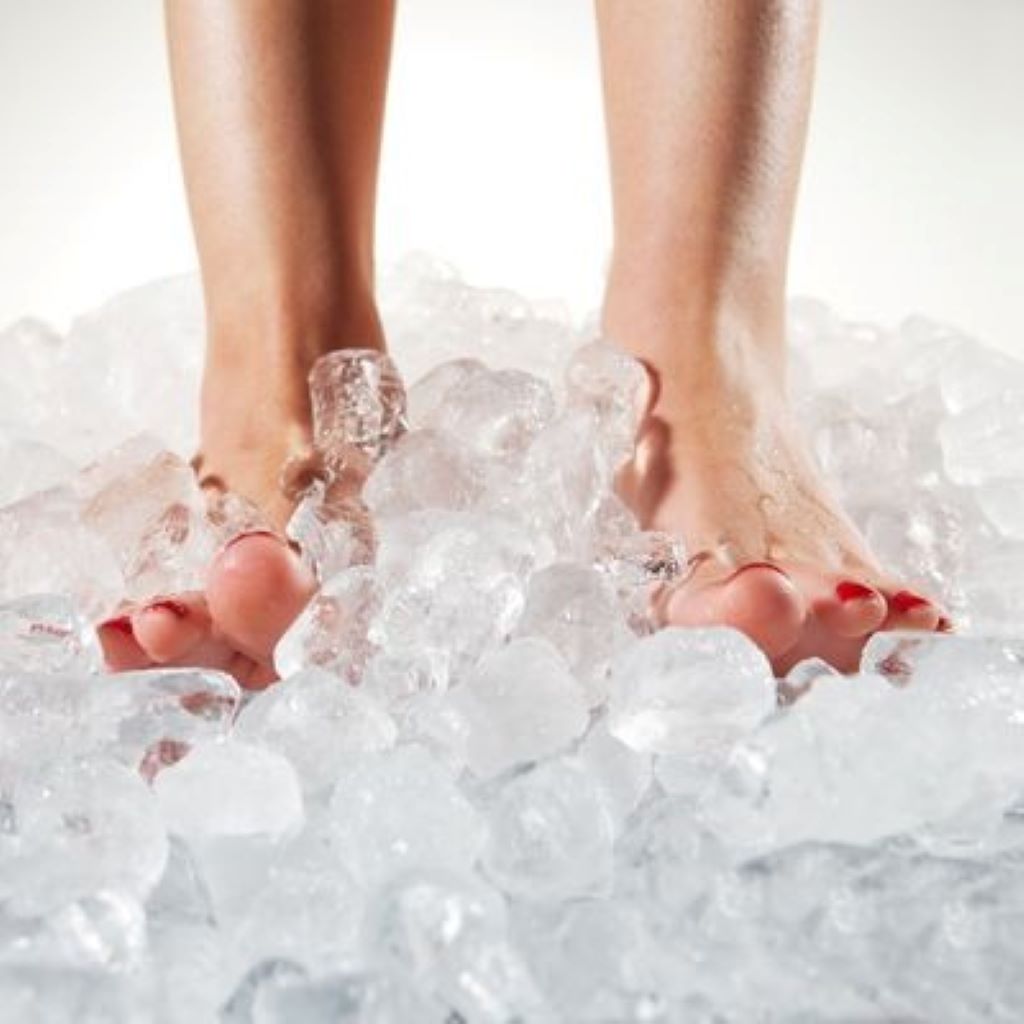
For targeted inflammation relief, apply ice packs wrapped in a cloth to sore joints or muscles for 10–20 minutes. Ensure you don’t apply ice directly to the skin to avoid frostbite.
-
Explore Whole-Body Cryotherapy
If you have access to a cryotherapy chamber, consider 2–3-minute sessions under professional supervision. This is a more intense form of cold therapy and may not be suitable for everyone.
-
Combine with Breathwork
Pair cold therapy with controlled breathing techniques, such as the Wim Hof Method, to enhance its effects on mood and stress resilience. This method combines cold exposure with specific breathing exercises to boost energy and focus.
Safety Tips for Cold Therapy
While cold therapy is generally safe, it’s important to follow these precautions:
- Consult a Doctor: If you have heart conditions, Raynaud’s disease, or other medical issues, consult a healthcare provider before trying cold therapy.
- Start Slowly: Begin with short exposures and gradually increase duration to avoid shock to your system.
- Listen to Your Body: If you feel dizzy, numb, or excessively uncomfortable, stop immediately and warm up.
- Avoid Overexposure: Prolonged exposure to cold can lead to hypothermia or frostbite. Stick to recommended durations.
- Stay Hydrated: Cold therapy can be dehydrating, so drink plenty of water before and after sessions.
Who Can Benefit from Cold Therapy?
Cold therapy is versatile and can benefit a wide range of people, including:
- Athletes: To reduce muscle soreness and speed up recovery.
- Individuals with Chronic Pain: To manage conditions like arthritis or fibromyalgia.
- Those with Mood Disorders: To alleviate symptoms of depression or anxiety.
- Busy Professionals: To boost focus, energy, and stress resilience.
- Anyone Seeking General Wellness: To improve sleep, immunity, and overall vitality.
Maximizing the Benefits of Cold Therapy
To get the most out of cold therapy, consider these tips:
- Be Consistent: Regular exposure (e.g., 3–5 times per week) yields better results than sporadic sessions.
- Pair with Exercise: Cold therapy after workouts can enhance recovery and reduce inflammation.
- Combine with Mindfulness: Use cold showers as a meditative practice to enhance mental clarity.
- Track Your Progress: Keep a journal to note changes in mood, pain levels, or energy after cold therapy sessions.
How Does Cryotherapy in a Spa Setting Boost Circulation and Metabolism?
Potential Drawbacks and Considerations
While cold therapy offers numerous benefits, it’s not without challenges:
- Discomfort: The initial shock of cold can be unpleasant, especially for beginners.
- Accessibility: Cryotherapy chambers and ice baths may not be practical or affordable for everyone.
- Time Commitment: Incorporating cold therapy into a busy schedule requires planning.
Despite these challenges, the benefits often outweigh the drawbacks for those who stick with it.
Conclusion
Cold therapy is a powerful, natural tool for reducing inflammation and boosting mood. By leveraging the body’s response to cold, you can manage physical discomfort, enhance mental well-being, and improve overall health. Whether you start with a quick cold shower or dive into ice baths, the key is consistency and listening to your body. As research continues to uncover the benefits of cold therapy, it’s clear that this age-old practice has a place in modern wellness routines.
Ready to take the plunge? Start small, stay safe, and discover how cold therapy can transform your health and mood. Share your experiences in the comments below, and let us know how cold therapy works for you!
Read More: