In an era where technology connects us like never before, it’s ironic that social isolation remains one of the most pressing challenges for older adults. Combating Social Isolation in Older Adults is not just a moral imperative but a critical public health concern. According to the World Health Organization (WHO), over 20% of adults aged 60 and above experience feelings of loneliness or isolation, which can lead to severe mental and physical health consequences. This article dives deep into understanding the root causes, exploring innovative solutions, and providing actionable steps to help society address this growing issue.
Loneliness isn’t merely a fleeting emotion—it’s a silent epidemic with far-reaching implications. The Centers for Disease Control and Prevention (CDC) reports that prolonged social isolation increases the risk of premature death by up to 30%, comparable to smoking 15 cigarettes a day. As we navigate the complexities of modern life, it becomes crucial to prioritize meaningful connections and foster environments where older adults feel valued, engaged, and supported.
This comprehensive guide will unpack the multifaceted nature of social isolation among seniors, offering insights from experts, real-world examples, and evidence-based strategies. Whether you’re a caregiver, policymaker, or simply someone who cares about aging well, this article promises to equip you with tools to make a tangible difference.
The Hidden Crisis: Understanding Social Isolation Among Older Adults
Social isolation affects millions of older adults worldwide, yet its impact often goes unnoticed until it manifests as depression, cognitive decline, or chronic illness. But what exactly constitutes social isolation? It’s more than just living alone; it’s the absence of fulfilling relationships and meaningful interactions that contribute to emotional well-being.
Defining Social Isolation vs. Loneliness
While these terms are often used interchangeably, they represent distinct experiences. Social isolation refers to objective measures such as having minimal contact with others, while loneliness is the subjective feeling of being disconnected even when surrounded by people. Research published in The Lancet highlights that both conditions independently heighten risks for cardiovascular diseases, dementia, and mortality.
Why Older Adults Are Vulnerable
Several factors predispose older adults to social isolation:
- Physical Limitations: Mobility issues, hearing loss, or vision impairments can limit their ability to engage socially.
- Life Transitions: Retirement, bereavement, and relocation disrupt established routines and networks.
- Technological Barriers: Many seniors struggle to adapt to digital platforms, further widening generational gaps.
A study by the National Academies of Sciences, Engineering, and Medicine revealed that nearly 43% of adults over 60 report feeling lonely regularly. These numbers underscore the urgency of addressing this crisis head-on.
The Ripple Effect: Consequences of Social Isolation on Health
The repercussions of social isolation extend beyond emotional distress, affecting nearly every aspect of an individual’s well-being. Let’s explore how prolonged isolation impacts physical, cognitive, and psychological health.
Physical Health Implications
Socially isolated individuals are at higher risk for hypertension, obesity, weakened immune systems, and heart disease. A groundbreaking study conducted by Harvard University found that socially connected seniors had a 50% lower chance of developing Alzheimer’s compared to their isolated peers.
Cognitive Decline and Dementia
Lack of social stimulation accelerates cognitive decline. Engaging in conversations, solving puzzles together, and participating in group activities stimulate neural pathways, keeping the brain sharp. Conversely, isolation deprives the mind of these essential exercises, increasing vulnerability to dementia.
Mental Health Challenges
Depression and anxiety are common companions of loneliness. According to the American Psychological Association, socially isolated seniors are twice as likely to develop clinical depression. Prolonged periods without human interaction exacerbate stress hormones, leading to chronic inflammation and worsening mental health outcomes.
Innovative Solutions: Bridging the Gap Through Community Engagement
Addressing social isolation requires a multi-pronged approach involving communities, families, healthcare providers, and policymakers. Here are some proven strategies:
Building Intergenerational Connections
Programs that bring younger generations and seniors together have shown remarkable success. For instance, initiatives like “Grandfriends” pair students with elderly mentors, fostering mutual learning and reducing feelings of loneliness. Such programs benefit everyone involved, creating bonds across age groups.
Leveraging Technology Wisely
While technology can alienate some seniors, it also holds immense potential to connect them. Apps like Silver Line and platforms like Zoom facilitate virtual meetups, online classes, and support groups tailored for older adults. Training sessions on using smartphones and tablets empower seniors to stay digitally active.
Promoting Active Lifestyles
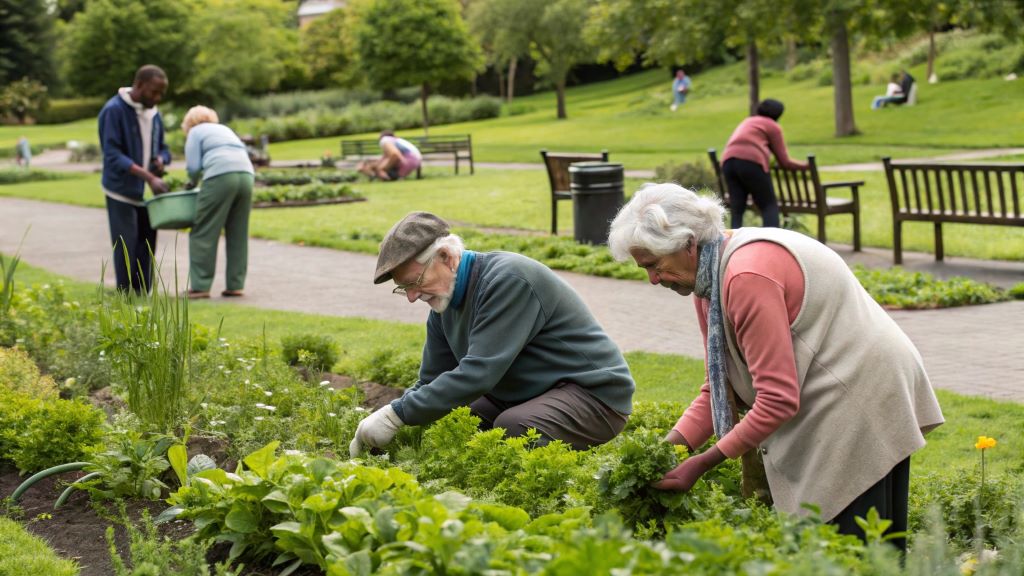
Encouraging participation in recreational activities—whether gardening clubs, dance classes, or walking groups—boosts physical health and provides opportunities for socialization. Cities investing in senior-friendly parks and community centers see significant reductions in isolation rates.
Policy Recommendations: Creating Age-Friendly Societies
Governments play a pivotal role in combating social isolation through targeted policies and funding. Below are key recommendations:
Expanding Access to Support Services
Subsidizing transportation services ensures seniors can attend social events or visit loved ones. Additionally, expanding home care programs allows caregivers to provide companionship alongside medical assistance.
Designing Inclusive Urban Spaces
Age-friendly cities incorporate features like accessible public transit, benches in parks, and senior activity hubs. Examples include New York City’s “Age-Friendly NYC” initiative, which has improved quality of life for countless older residents.
Funding Research and Innovation
Increased investment in research on aging and social isolation fosters innovation. Pilot projects testing new interventions, such as AI-driven companion robots, offer promising avenues for future exploration.
Real Stories, Real Impact: Success Stories from Around the Globe
Let’s take inspiration from real-life examples of communities successfully tackling social isolation:
- Japan’s Community Cafés: Known as “salon-style cafés,” these spaces invite seniors to gather, share meals, and participate in workshops. Attendance has surged, significantly reducing loneliness metrics.
- UK’s “Men’s Sheds”: These community workshops cater specifically to men, encouraging camaraderie through hands-on projects. Participants report improved mood and reduced isolation.
- Australia’s Telehealth Initiatives: Remote consultations combined with regular check-ins combat isolation in rural areas, ensuring no senior feels left behind.
These stories demonstrate that creative, localized efforts can yield transformative results.
Popular FAQs About Combating Social Isolation in Older Adults
Q1: What are the first signs of social isolation in seniors?
Early indicators include withdrawal from activities, reluctance to leave home, frequent expressions of sadness, and changes in sleep patterns. Early intervention is key to preventing escalation.
Q2: How can family members help combat isolation?
Regular visits, phone calls, and involving seniors in family events go a long way. Teaching them to use video calling apps strengthens ties despite distance.
Q3: Are there any free resources available for seniors?
Yes! Programs like Meals on Wheels deliver food along with friendly conversation. Libraries often host free events, and organizations like AARP offer educational materials online.
Q4: Does volunteering reduce isolation?
Absolutely. Volunteering gives seniors purpose, introduces them to new people, and reinforces self-worth—all powerful antidotes to loneliness.
Conclusion: Together, We Can Make a Difference
Combating Social Isolation in Older Adults demands collective effort, empathy, and innovation. By fostering inclusive communities, leveraging technology responsibly, and advocating for supportive policies, we can ensure that aging is synonymous with thriving rather than surviving. Remember, small gestures—a phone call, a shared meal, or a listening ear—can create monumental change in someone’s life. Let’s commit to building a world where no senior feels forgotten or alone.
Read More: