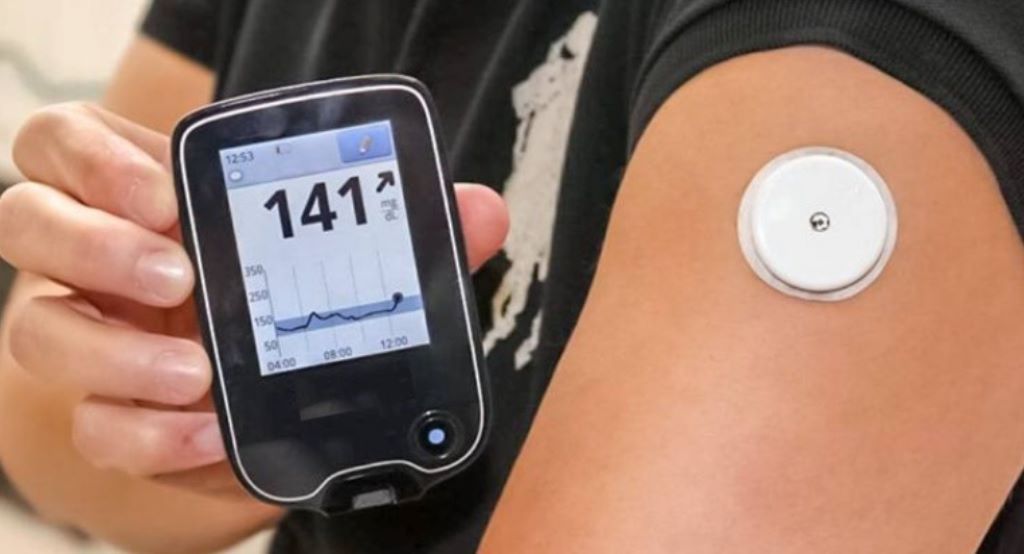
Living with diabetes can be challenging, but advancements in technology are making it easier. Wearable monitors for diabetics , such as glucose monitoring devices, are transforming how individuals manage their condition. These devices provide real-time blood sugar readings, reducing the need for painful finger pricks. According to the International Diabetes Federation, over 537 million adults worldwide have diabetes. This number is expected to rise to 643 million by 2030. Wearable glucose monitors offer a proactive approach to diabetes care, empowering users to make informed decisions. In this blog post, we’ll explore how these devices work, their benefits, and actionable tips for choosing the right one.
What Are Wearable Glucose Monitors?
Wearable glucose monitors, also known as continuous glucose monitors (CGMs), are small devices worn on the body. They track glucose levels throughout the day and night. Unlike traditional glucose meters, CGMs use a tiny sensor inserted under the skin to measure glucose in interstitial fluid. The data is transmitted to a smartphone or receiver, providing real-time updates.
According to a study published in Diabetes Care, CGMs significantly improve glycemic control in both Type 1 and Type 2 diabetics. Users can set alarms for high or low glucose levels, reducing the risk of complications. These devices are particularly beneficial for children, elderly patients, and those with fluctuating glucose levels.
How Do Wearable Glucose Monitors Work?
Wearable glucose monitors consist of three main components: a sensor, transmitter, and receiver. The sensor is inserted under the skin, usually on the abdomen or arm. It measures glucose levels in interstitial fluid every few minutes. The transmitter sends this data wirelessly to a receiver or smartphone app.
The app displays glucose trends, allowing users to identify patterns. For example, spikes after meals or drops during exercise. Some advanced models, like the Dexcom G6 and FreeStyle Libre 3, offer predictive alerts. These alerts warn users of potential highs or lows before they occur.
A 2021 study by the Journal of Medical Internet Research found that CGMs improve adherence to diabetes management plans. Patients reported feeling more in control of their health.
Benefits of Wearable Glucose Monitors
Wearable glucose monitors offer numerous advantages over traditional methods. Here are the key benefits:
- Real-Time Monitoring: CGMs provide continuous glucose readings, eliminating the need for frequent finger pricks.
- Improved Accuracy: Studies show CGMs are more accurate than traditional glucose meters.
- Customizable Alerts: Users can set alarms for high or low glucose levels, ensuring timely intervention.
- Data Tracking: CGMs store historical data, helping users and healthcare providers identify trends.
- Enhanced Quality of Life: Patients report reduced stress and better sleep with CGMs.
According to the American Diabetes Association, CGMs can reduce HbA1c levels by up to 1.5%. This reduction significantly lowers the risk of diabetes-related complications.
Choosing the Right Wearable Glucose Monitor
With so many options available, selecting the right CGM can be overwhelming. Here are actionable tips to help you decide:
- Consider Your Lifestyle: If you’re active, choose a device with a durable sensor and waterproof design.
- Check Compatibility: Ensure the CGM is compatible with your smartphone or insulin pump.
- Evaluate Accuracy: Look for devices with a high MARD (Mean Absolute Relative Difference) score.
- Review Costs: Compare upfront costs, subscription fees, and insurance coverage.
- Read Reviews: User reviews can provide insights into reliability and ease of use.
Popular models include the Dexcom G6, FreeStyle Libre 3, and Medtronic Guardian Connect. Each has unique features, so choose one that aligns with your needs.
How to Use a Wearable Glucose Monitor Effectively
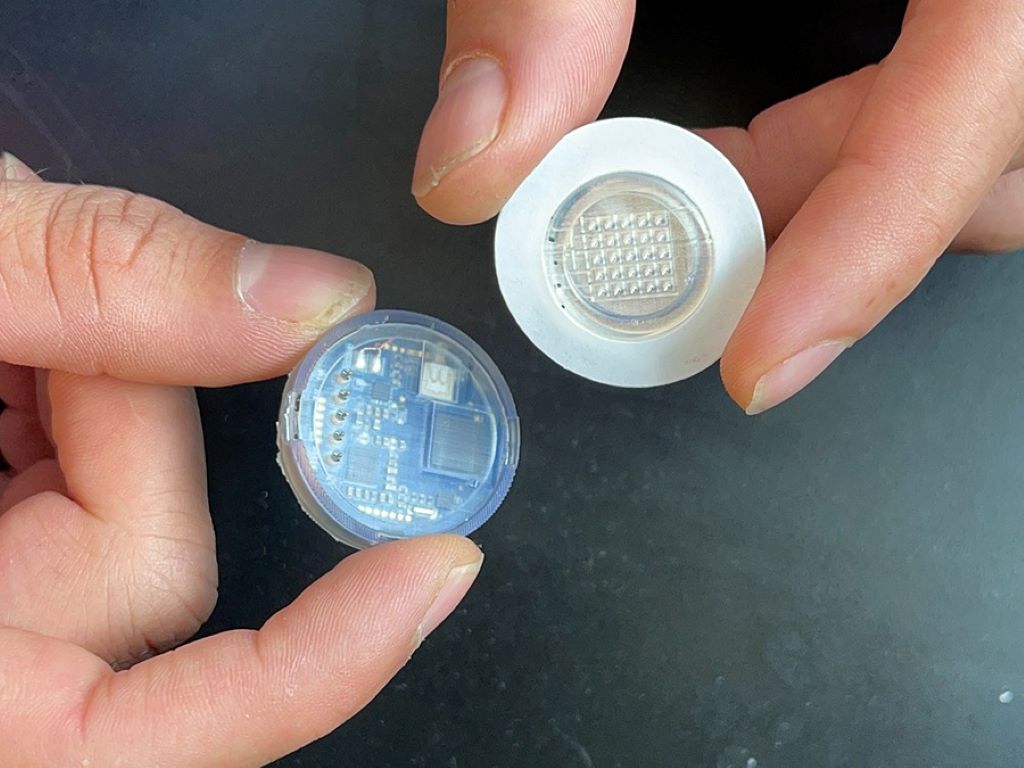
To maximize the benefits of your CGM, follow these tips:
- Calibrate Regularly: Some devices require calibration with fingerstick readings. Follow the manufacturer’s instructions.
- Analyze Data: Use the app to review glucose trends and adjust your diet or medication accordingly.
- Stay Consistent: Wear the sensor as recommended to ensure accurate readings.
- Communicate with Your Doctor: Share your CGM data during check-ups for personalized advice.
A 2020 study in The Lancet found that consistent CGM use reduces hospitalizations by 40%. This highlights the importance of proper usage.
The Future of Wearable Glucose Monitors
The future of CGMs looks promising. Researchers are working on non-invasive models that don’t require skin insertion. Some prototypes use sweat or tears to measure glucose levels. Additionally, artificial intelligence is being integrated to provide more personalized insights.
According to a report by Grand View Research, the global CGM market is expected to reach $12.8 billion by 2028. This growth reflects the increasing demand for innovative diabetes management solutions.
Conclusion
Wearable glucose monitors are revolutionizing diabetes care. They offer real-time monitoring, improved accuracy, and enhanced quality of life. By choosing the right device and using it effectively, diabetics can take control of their health.
If you found this article helpful, please share it with others who might benefit. Have you tried a wearable glucose monitor? Share your experience in the comments below!
FAQs about Wearable Monitors for Diabetics
How accurate are wearable glucose monitors?
Wearable glucose monitors are highly accurate, with most models having a MARD score of less than 10%. This means they are more reliable than traditional glucose meters.
Can I use a CGM if I have Type 2 diabetes?
Yes, CGMs are suitable for both Type 1 and Type 2 diabetics. They are particularly helpful for those with fluctuating glucose levels.
Are wearable glucose monitors covered by insurance?
Many insurance plans cover CGMs, especially for Type 1 diabetics. Check with your provider to confirm coverage.
How often do I need to replace the sensor?
Sensors typically last 7–14 days, depending on the model. Some advanced devices offer longer-lasting sensors.
Can I swim or shower with a CGM?
Most modern CGMs are waterproof and can be worn during swimming or showering. Always check the manufacturer’s guidelines.
Read More:
Seven health tips to take care of your baby