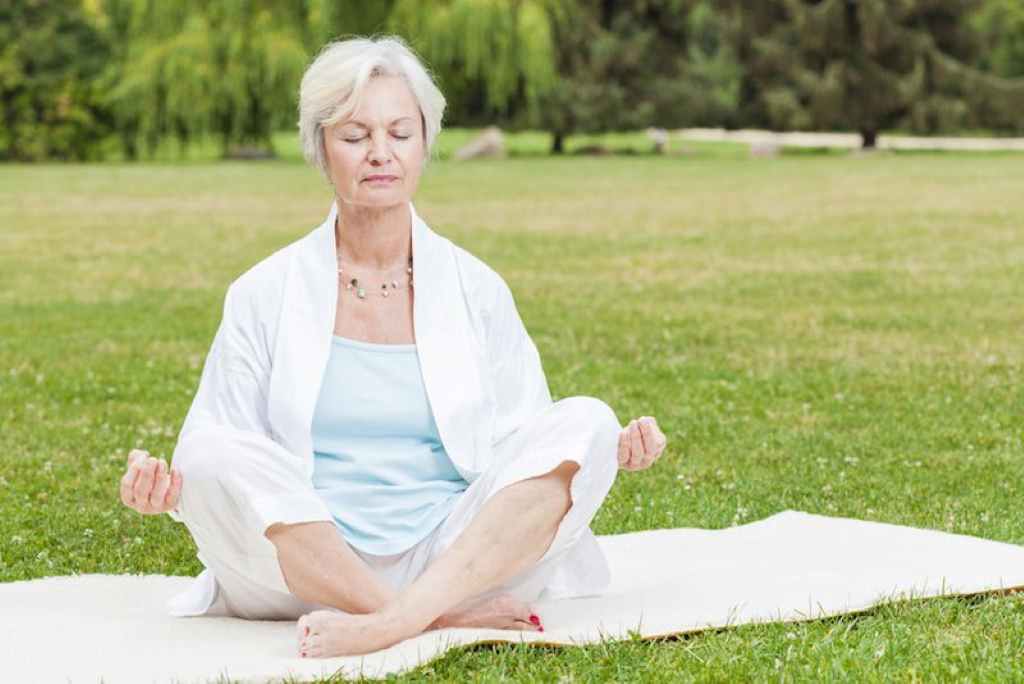
As we age, our bodies and minds undergo natural changes that can sometimes lead to stress, anxiety, and even physical ailments. However, there’s a simple yet powerful tool that can help seniors navigate these challenges and embrace their golden years with greater peace and well-being: meditation.
What is Meditation?
Meditation is a practice that involves focusing the mind on a single point, such as the breath, a mantra, or a visual image. By cultivating mindfulness and awareness, meditation can help us to become more present in the moment, reduce stress, and improve our overall health. While meditation has roots in ancient spiritual traditions, it has gained widespread popularity in recent times as a secular practice with numerous benefits for both body and mind. However, it is important to be aware of the potential side effects of meditation.
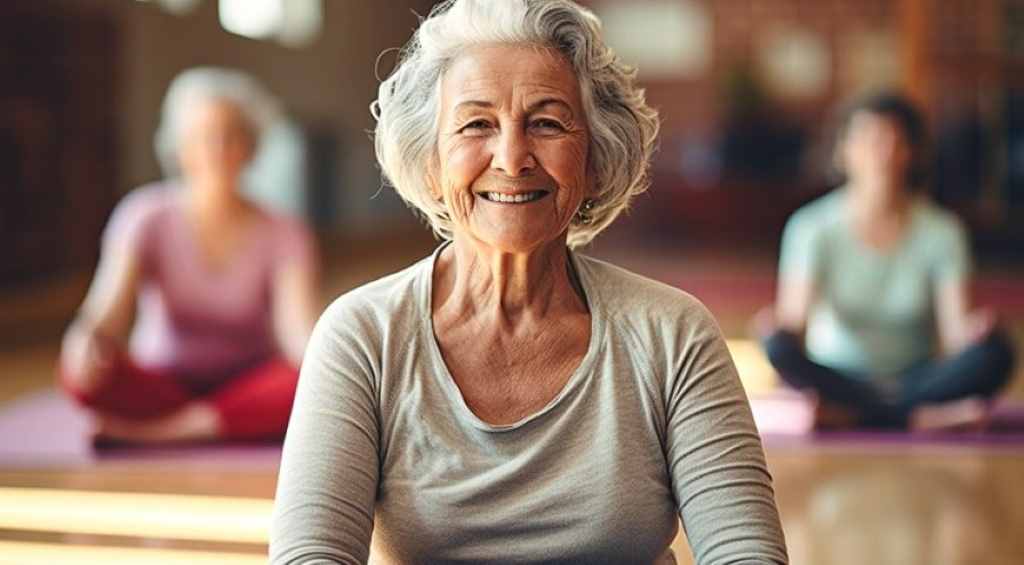
10 Healthy Benefits of Meditation for Seniors
- Stress Reduction: Stress can take a toll on our physical and mental health, and it’s especially important for seniors to find healthy ways to manage stress. Meditation has been shown to reduce the production of stress hormones like cortisol, leading to lower blood pressure, improved sleep, and a greater sense of calm.
- Anxiety Relief: Anxiety can manifest as racing thoughts, feelings of worry, and even physical symptoms like heart palpitations. Meditation helps us to cultivate mindfulness and acceptance of our thoughts and feelings, reducing the power they have over us and promoting a greater sense of inner peace.
- Improved Sleep: Many seniors experience sleep disturbances, which can impact their energy levels, mood, and overall well-being. Meditation has been shown to improve sleep quality by calming the mind and body, reducing anxiety, and promoting relaxation.
- Pain Management: Chronic pain is a common challenge for seniors, and it can significantly impact their quality of life. While meditation isn’t a substitute for medical treatment, it can complement pain management strategies by helping seniors to develop a greater awareness of their bodies, manage pain more effectively, and cultivate a sense of acceptance.
- Enhanced Cognitive Function: As we age, it’s natural for our cognitive function to decline. However, research suggests that meditation can help to slow down this process and even improve cognitive function in some cases. Meditation has been shown to enhance attention, memory, and decision-making abilities in seniors.
- Increased Emotional Well-being: Meditation helps us to become more aware of our emotions, cultivate greater self-compassion, and develop healthier coping mechanisms for dealing with difficult emotions. This can lead to improved mood, reduced depression symptoms, and a greater sense of emotional resilience.
- Strengthened Immune System: Chronic stress can weaken our immune systems, making us more susceptible to illness. Meditation has been shown to boost the immune system by reducing stress hormones, promoting relaxation, and improving sleep.
- Improved Heart Health: Heart disease is a leading cause of death among seniors, but meditation can help to reduce risk factors by lowering blood pressure, reducing stress hormones, and promoting relaxation.
- Enhanced Social Connection: Meditation can help seniors to cultivate greater empathy, compassion, and understanding, which can improve their relationships with others. Additionally, group meditation classes can provide a sense of community and belonging, reducing feelings of loneliness and isolation.
- Increased Self-awareness: Meditation is a journey of self-discovery, helping us to become more aware of our thoughts, feelings, and behaviors. This increased self-awareness can lead to greater self-acceptance, personal growth, and a deeper understanding of our purpose in life.
How to Get Started with Meditation
If you’re a senior interested in trying meditation, here are a few tips to get you started:
- Find a quiet and comfortable space: Choose a place where you won’t be disturbed, and make sure you’re comfortable. You can sit in a chair, on a cushion, or even lie down.
- Start with short sessions: Begin with just 5-10 minutes of meditation per day and gradually increase the duration as you become more comfortable.
- Focus on your breath: Pay attention to the sensation of your breath as it enters and leaves your body. If your mind wanders, gently bring it back to your breath.
- Guided meditations: If you’re new to meditation, guided meditations can be helpful. There are many free resources available online and in app stores.
- Be patient: Meditation takes practice, so don’t get discouraged if you find it difficult at first. With consistency, you’ll start to experience the benefits.
Conclusion
Meditation is a gift that seniors can give themselves to improve their physical and mental health, enhance their overall well-being, and embrace their golden years with greater peace and joy. Whether you’re new to meditation or an experienced practitioner, there are many different types of meditation to explore, so find a style that resonates with you and make it a part of your daily routine.
Remember: Meditation is not a quick fix, but rather a lifelong journey of self-discovery and personal growth. By cultivating mindfulness and awareness, seniors can unlock the many benefits of meditation and live their golden years to the fullest.