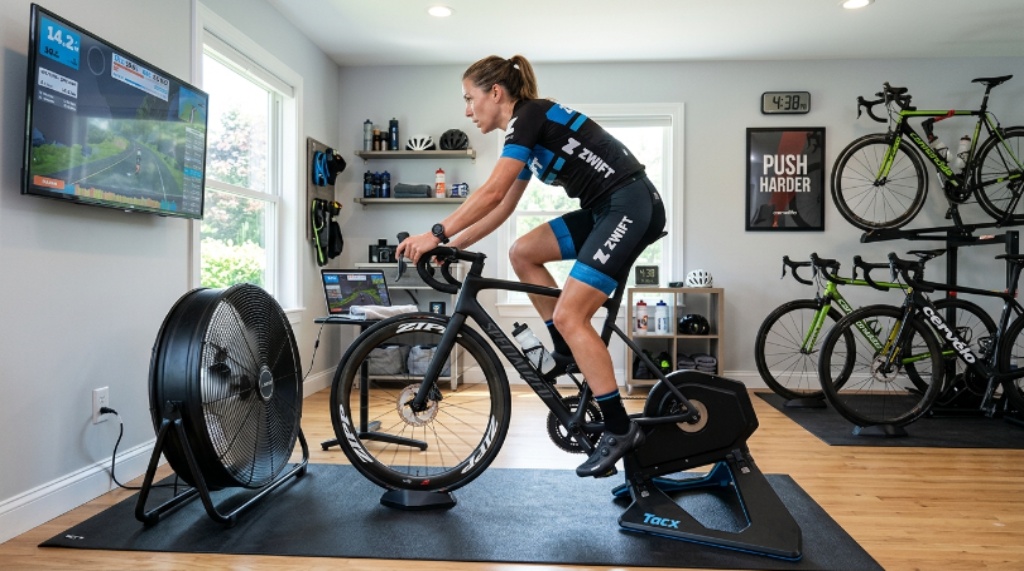
Every step you take, every stair you climb, every moment you stand – your knees are working tirelessly to support your body’s weight and facilitate movement. Yet when knee pain strikes, these simple daily activities can become overwhelming challenges. Whether you’re an athlete pushing your limits, a weekend warrior enjoying recreational sports, or someone experiencing age-related joint changes, understanding knee pain is crucial for maintaining an active, pain-free lifestyle.
Knee pain affects millions of people worldwide, making it one of the most common musculoskeletal complaints that drive individuals to seek medical attention. From acute injuries to chronic conditions, knee discomfort can significantly impact your quality of life, mobility, and overall well-being. The good news? Most knee pain is treatable when properly diagnosed and addressed with appropriate interventions.
What Causes Knee Pain?
Acute Knee Injuries
Sports-Related Trauma Athletic activities frequently lead to sudden knee injuries. Anterior cruciate ligament (ACL) tears, meniscus injuries, and patellar dislocations commonly occur during high-impact sports like football, basketball, and skiing. These acute knee injuries often result from sudden direction changes, awkward landings, or direct impacts to the joint.
Ligament and Tendon Damage The knee joint relies on multiple ligaments for stability, including the ACL, posterior cruciate ligament (PCL), medial collateral ligament (MCL), and lateral collateral ligament (LCL). Tendon injuries, such as patellar tendonitis (jumper’s knee), can develop from repetitive stress or sudden forceful movements.
Chronic Knee Conditions
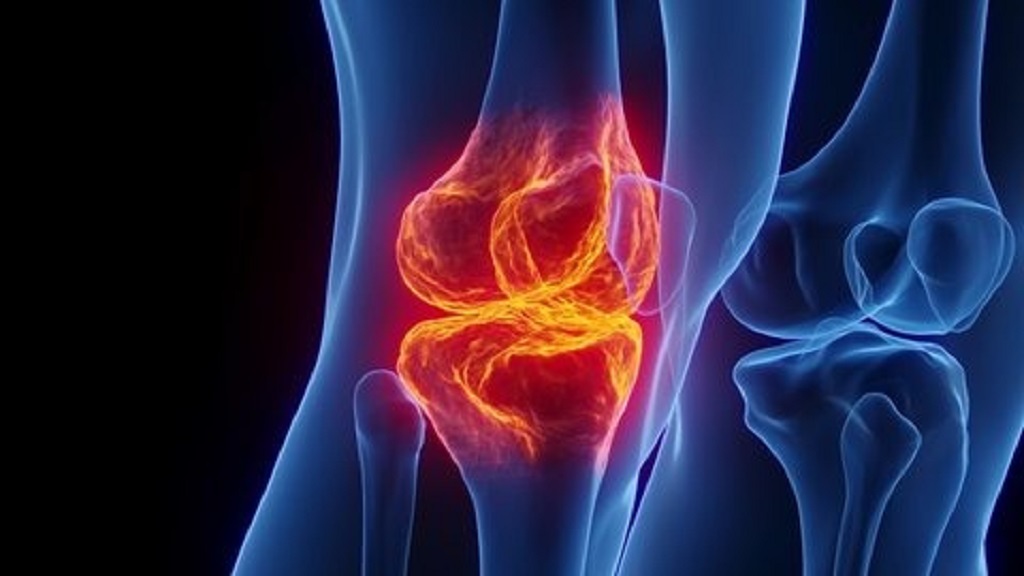
Osteoarthritis Age-related wear and tear leads to osteoarthritis, the most common form of knee arthritis. This degenerative joint disease causes cartilage breakdown, resulting in bone-on-bone contact, inflammation, and progressive pain. Risk factors include advancing age, obesity, previous injuries, and genetic predisposition.
Rheumatoid Arthritis This autoimmune condition causes chronic inflammation in the knee joint, leading to cartilage destruction, bone erosion, and significant functional limitations. Unlike osteoarthritis, rheumatoid arthritis typically affects multiple joints symmetrically.
Bursitis Inflammation of the small fluid-filled sacs (bursae) that cushion the knee joint can cause localized pain and swelling. Prepatellar bursitis, commonly known as “housemaid’s knee,” often results from prolonged kneeling or direct trauma.
Mechanical Problems
Patellofemoral Pain Syndrome Also called “runner’s knee,” this condition involves pain around the kneecap (patella) due to improper tracking of the patella over the femur. Common causes include muscle imbalances, biomechanical issues, and overuse.
Iliotibial Band Syndrome The iliotibial band, a thick tissue running from the hip to the shin, can become tight and inflamed, causing lateral knee pain. This condition frequently affects long-distance runners and cyclists.
Recognizing Knee Pain Symptoms
Understanding knee pain symptoms helps determine the underlying cause and appropriate treatment approach.
Common Pain Patterns
Location-Specific Symptoms
- Anterior knee pain: Often indicates patellofemoral problems or quadriceps tendon issues
- Medial knee pain: May suggest MCL injury, meniscus tears, or pes anserine bursitis
- Lateral knee pain: Could indicate LCL problems, iliotibial band syndrome, or lateral meniscus tears
- Posterior knee pain: Often associated with hamstring injuries, Baker’s cysts, or PCL damage
Associated Symptoms
Mechanical Symptoms Joint stiffness, particularly morning stiffness lasting more than 30 minutes, often indicates inflammatory arthritis. Knee locking or catching sensations suggest possible meniscus tears or loose bodies within the joint. Knee instability or “giving way” episodes typically indicate ligament damage.
Inflammatory Signs Visible swelling, warmth, and redness around the knee joint suggest active inflammation. These symptoms may accompany infections, acute injuries, or inflammatory arthritis flares.
Effective Treatment Options
Conservative Management
Rest, Ice, Compression, Elevation (RICE) The RICE protocol remains a cornerstone of acute knee injury management. Rest allows tissue healing, ice reduces inflammation and pain, compression minimizes swelling, and elevation promotes fluid drainage.
Physical Therapy and Exercises Targeted strengthening exercises for the quadriceps, hamstrings, and hip muscles improve knee stability and function. Range-of-motion exercises maintain joint flexibility, while proprioceptive training enhances balance and coordination.
Pain Management Strategies Nonsteroidal anti-inflammatory drugs (NSAIDs) like ibuprofen and naproxen effectively reduce both pain and inflammation. Topical pain relievers provide localized relief with fewer systemic side effects. Acetaminophen offers pain relief without anti-inflammatory properties.
Advanced Treatment Modalities
Injection Therapies Corticosteroid injections provide temporary but significant pain relief for inflammatory conditions. Hyaluronic acid injections, or viscosupplementation, may benefit patients with mild to moderate osteoarthritis by improving joint lubrication.
Regenerative Medicine Platelet-rich plasma (PRP) therapy uses concentrated platelets from the patient’s blood to promote healing. Stem cell therapy, though still investigational, shows promise for cartilage repair and regeneration.
Surgical Interventions
Arthroscopic Surgery Minimally invasive arthroscopic procedures can address meniscus tears, loose bodies, and some ligament injuries. These procedures typically involve smaller incisions, shorter recovery times, and reduced complications compared to open surgery.
Reconstructive Surgery ACL reconstruction using autografts or allografts restores knee stability in athletes and active individuals. Other reconstructive procedures address complex ligament injuries and severe cartilage damage.
Joint Replacement Total knee replacement surgery becomes necessary when conservative treatments fail to provide adequate pain relief and functional improvement in advanced arthritis cases. Partial knee replacement may be appropriate for isolated compartment arthritis.
Prevention and Lifestyle Modifications
Exercise and Conditioning
Regular low-impact exercises like swimming, cycling, and walking strengthen supporting muscles without excessive joint stress. Proper warm-up routines and gradual activity progression reduce injury risk.
Weight Management
Maintaining a healthy body weight significantly reduces stress on knee joints. Each pound of body weight translates to approximately four pounds of force across the knee during walking activities.
Proper Footwear and Equipment
Well-fitting, supportive shoes with adequate cushioning help maintain proper biomechanics. Sport-specific equipment and protective gear can prevent many acute injuries.
Read More Also: Five Fresh Fruit Smoothies You’ll Love
Frequently Asked Questions
When should I see a doctor for knee pain?
Seek medical attention if you experience severe pain, significant swelling, inability to bear weight, obvious deformity, signs of infection (fever, warmth, redness), or if pain persists despite conservative treatment for more than a few days.
Can knee pain be prevented?
Many knee injuries and chronic conditions can be prevented through regular exercise, maintaining healthy body weight, using proper technique during activities, wearing appropriate footwear, and gradually increasing activity levels.
How long does knee pain typically last?
Acute injuries may resolve within days to weeks with proper treatment, while chronic conditions like arthritis require ongoing management. Recovery time depends on the underlying cause, treatment compliance, and individual factors.
Are there natural remedies for knee pain?
Natural approaches include applying ice or heat, gentle stretching, maintaining an anti-inflammatory diet rich in omega-3 fatty acids, using turmeric or ginger supplements, and practicing low-impact exercises like yoga or tai chi.
When is surgery necessary for knee pain?
Surgery becomes necessary when conservative treatments fail to provide adequate pain relief or functional improvement, structural damage is severe, or quality of life is significantly impacted despite optimal non-surgical management.
Take Control of Your Knee Health Today
Don’t let knee pain sideline you from the activities you love. Whether you’re dealing with acute discomfort or chronic issues, early intervention and proper treatment can make a significant difference in your recovery and long-term joint health.
Read More Also: How to Create a Fitness Routine for Weight Loss
Ready to address your knee pain?
Schedule a consultation with a qualified healthcare provider or orthopedic specialist to receive a comprehensive evaluation and personalized treatment plan. Remember, the sooner you address knee problems, the better your chances of achieving optimal outcomes and preventing future complications.
Start your journey toward pain-free movement today – your knees will thank you for taking action now rather than waiting for problems to worsen.